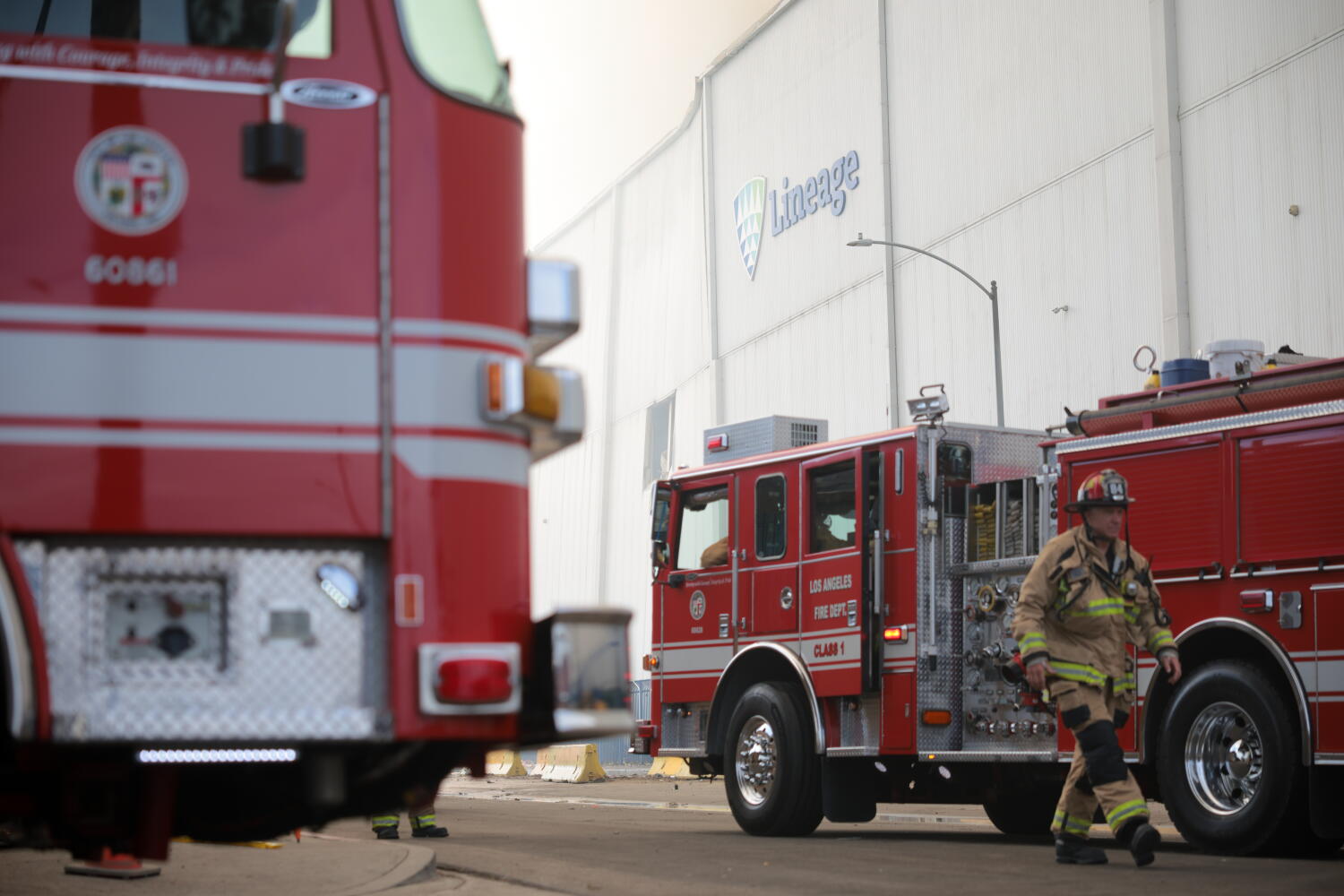
Los Angeles is about to face a massive choice at the ballot box this November, and if you aren't paying close attention, you're going to miss the real story. On Tuesday, June 23, 2026, the Los Angeles City Council voted unanimously to place a half-cent sales tax measure on the upcoming ballot. If passed, this measure will pump roughly $345 million every single year into the Los Angeles Fire Department.
On the surface, it sounds like an easy choice. Who doesn't want to support firefighters? They run into burning buildings, save lives during historic wildfires, and handle medical emergencies across our massive city. The union backing the measure, United Firefighters of Los Angeles City, points out that the department is stretched thin, operating with basically the same number of firefighters as it did in the 1960s while responding to five times the call volume.
But handing over hundreds of millions of dollars without checking the books first is a terrible way to run a city. Before taxpayers vote to bump the local sales tax up to a staggering 10.25%, Los Angeles needs a full, independent financial and operational audit of the department.
The Core Problem with the Blank Check Approach
Angelenos are notoriously generous when it comes to voting for special taxes, especially when those taxes are tied to public safety or urgent social crises. We've done it for homelessness, we've done it for transportation, and now we're being asked to do it for fire response. But throwing cash at a structural issue doesn't automatically fix the underlying operational inefficiencies.
The proposed tax would increase the sales tax rate inside city limits from 9.75% to 10.25%. That puts Los Angeles on par with some of the most heavily taxed municipalities in the region. For everyday working families already struggling with a brutal cost of living in Southern California, an extra half-cent on every dollar spent adds up quickly. It's a regressive tax, meaning it hits low-income residents the hardest because they spend a larger percentage of their income on taxable goods.
Before we agree to that kind of financial pain, we have to ask why the city's massive general fund isn't already covering these core services. Public safety isn't some optional luxury or an afterthought. It's the primary obligation of local government. When city leaders claim they have to raise taxes just to keep fire stations staffed, they're admitting to a profound failure in budget prioritization.
A History of Disjointed Financial Oversight
To understand why an independent audit is non-negotiable, you have to look at how the city handles its financial oversight. Right now, proponents of the tax point out that the ballot measure includes a clause for an annual public audit and a citizen oversight committee. That sounds great on paper, but it's a classic case of closing the barn door after the horse has already bolted.
An audit after the tax passes only tracks where the new money goes. It doesn't analyze how the existing billions are being spent, nor does it look at the operational bottlenecks that cripple response times. We need a diagnostic audit before the election, not a compliance audit after the revenue starts rolling in.
Consider the internal chaos that has plagued the very labor union sponsoring this ballot initiative. Just days before the City Council approved the ballot measure, prosecutors filed severe criminal charges against Adam Walker, a former top officer and secretary of the union. Walker stands accused of grand theft and forgery for allegedly stealing more than $82,000 from a charity meant to support injured firefighters, using those funds to cover online gambling debts, his mortgage, and personal expenses.
While union representatives are quick to point out that Walker's alleged theft involved charity money rather than taxpayer funds, the scandal points to a broader lack of internal controls and transparency within the organizations driving city policy. This came on the heels of a massive internal investigation by the International Association of Fire Fighters, which found that $800,000 in union credit card purchases lacked proper documentation, leading to the suspension of former union leadership. If the groups pushing this tax hike struggled to keep their own financial houses in order, taxpayers have every right to demand absolute clarity regarding the public treasury.
Where Does the Existing Money Go
The fire department doesn't operate on pocket change. The city funnels a massive portion of its discretionary budget into public safety every year. Yet, we constantly hear that engines are understaffed, equipment is outdated, and stations are falling apart. An independent audit would look closely at where the money goes right now, specifically targeting several key areas.
First, let's talk about overtime. The department relies heavily on mandatory overtime to maintain minimum staffing levels across its stations. On one hand, you need boots on the ground to handle calls. On the other hand, paying time-and-a-half or double-time to exhausted firefighters is an incredibly expensive way to run a department, and it leads to severe burnout. An independent analysis could show whether restructuring shift schedules or changing hiring pipelines would be far cheaper than simply feeding an insatiable overtime budget.
Second, the operational split between fire suppression and emergency medical services deserves a hard look. Roughly 80% of calls to the department are for medical emergencies, not fires. We have a system designed historically around massive fire engines and ladder trucks, yet the daily reality is a constant stream of medical dispatches, overdose calls, and wellness checks. Are we deploying the right resources to the right incidents? Sending a massive, million-dollar fire engine staffed by four personnel to a minor medical call is an incredibly inefficient use of resources and wear-and-tear on vehicles.
Third, we must look at the civilian support structure. Every hour a trained, highly paid firefighter spends doing administrative desk work or managing data entry is an hour they aren't on the street. Modern departments optimize their staff by hiring qualified civilians for back-office roles, freeing up sworn personnel for the frontline. We don't know the extent of this imbalance because the department hasn't faced a rigorous, independent third-party operational review in years.
The Real Danger of the Maintenance of Effort Clause
Proponents emphasize that the ballot initiative contains a maintenance of effort provision. This rule states that the city cannot use the new tax revenue to replace existing general fund spending on fire services. The goal is to ensure the $345 million acts as a true supplement, forcing the city to maintain its historical funding percentages.
While that sounds protective, it actually locks in existing inefficiencies. If the department is currently spending money poorly, the city is legally mandated to keep spending money poorly from the general fund while piling the new sales tax revenue on top of it. It prevents city managers from reorganizing the department, cutting waste, or shifting funds to more modern, effective models of public safety.
It also ignores the broader economic picture. If Los Angeles enters a recession and general fund revenues drop across the board, the city will be forced to cut funding for parks, libraries, street repairs, and housing programs just to keep the fire department's general fund percentage frozen in place. Special taxes create siloed buckets of money that distort the city's overall fiscal health, leaving essential but less trendy public services out in the cold.
Learning from Past Los Angeles Tax Initiatives
We don't have to guess how this plays out. Los Angeles has a long history of passing special taxes with loose oversight, only to wonder why the problems never seem to go away. Look at the various measures passed over the last decade to address homelessness and affordable housing. Voters were promised that billions of dollars would systematically solve the crisis on our streets.
Years later, billions have been spent, the administrative overhead has exploded, and the results on the ground remain deeply frustrating to the average citizen. The city administrative structures grew, consulting firms raked in massive contracts, and true accountability vanished into a maze of committees and bureaucratic reports.
The exact same thing can happen with public safety. Without an independent, pre-election audit outlining exactly how many stations need repair, precisely where response times are lagging, and exactly how many new paramedics must be hired, the new $345 million will simply disappear into the city's vast bureaucracy.
What a Real Independent Audit Looks Like
An audit shouldn't be conducted by city insiders, nor should it be overseen by political appointees who rely on union endorsements for their re-election campaigns. It needs to be handled by a neutral, third-party firm with deep expertise in municipal finance and public safety infrastructure.
The audit must answer several definitive questions before voters head to the polls.
- What is the true cost of the current hiring pipeline, and why does it take so long to get new academy classes into the field?
- How much money is lost annually to worker's compensation fraud or questionable medical leave patterns within the department?
- Which specific fire stations are suffering from structural deficits, and what are the exact cost estimates for those repairs?
- Can the department expand its civilian paramedic program to handle the massive volume of medical calls without relying on full fire-suppression teams?
If an audit shows that the department is running lean, spending every dollar perfectly, and still falling short due to sheer population growth, then city leaders will have a bulletproof case for their tax hike. They will be able to look voters in the eye and show exactly how every dollar of the new half-cent sales tax will be deployed. But if the audit reveals millions tied up in administrative bloat, broken scheduling systems, or outdated resource deployment strategies, then we should fix those problems first before asking taxpayers to open their wallets.
Next Steps for Los Angeles Taxpayers
The ballot measure is set for November 3, 2026. Between now and then, the conversation shouldn't just be a binary debate between supporting first responders or opposing new taxes. We need to demand a higher standard of fiscal responsibility from City Hall.
If you want to ensure your tax dollars are actually spent on keeping communities safe rather than funding bureaucratic waste, take these direct steps.
First, contact your City Council member's office. Demand that the city commission an immediate, fast-tracked operational review of the fire department before the November election. Let them know that your vote on the ballot measure depends entirely on transparency and access to real data.
Second, engage with local civic groups, neighborhood councils, and taxpayer advocacy organizations. Use these platforms to host debates and discussions focused on the city budget. Force the proponents of the tax to provide hard, granular numbers rather than generic talking points about public safety.
Stop letting City Hall use emotional appeals to bypass basic financial transparency. Our firefighters deserve a well-run, fully equipped department, and taxpayers deserve to know exactly where their hard-earned money is going. Demand the audit first.