Ontario high schoolers are skipping class at historic rates, and the provincial government is desperate to fix it. But a massive communication blunder by Education Minister Paul Calandra just left thousands of hockey parents and student-athletes panicking about their grades.
If your teenager plays competitive sports, you need to know exactly how the new Ontario student sport attendance framework works before September rolls around. The rules are changing radically, and what the politician said on Monday isn't exactly what his office scrambled to clarify on Tuesday. Here is the real story behind the headlines, what's actually at stake for your kid's report card, and how to navigate the upcoming school year without sacrificing their athletic dreams. Building on this topic, you can find more in: इज़रायल लेबनान सीजफायर के बीच अल मंसूरी में क्यों गिरे चेतावनी के पर्चे.
The 24 Hour Backtrack That Confused Ontario Parents
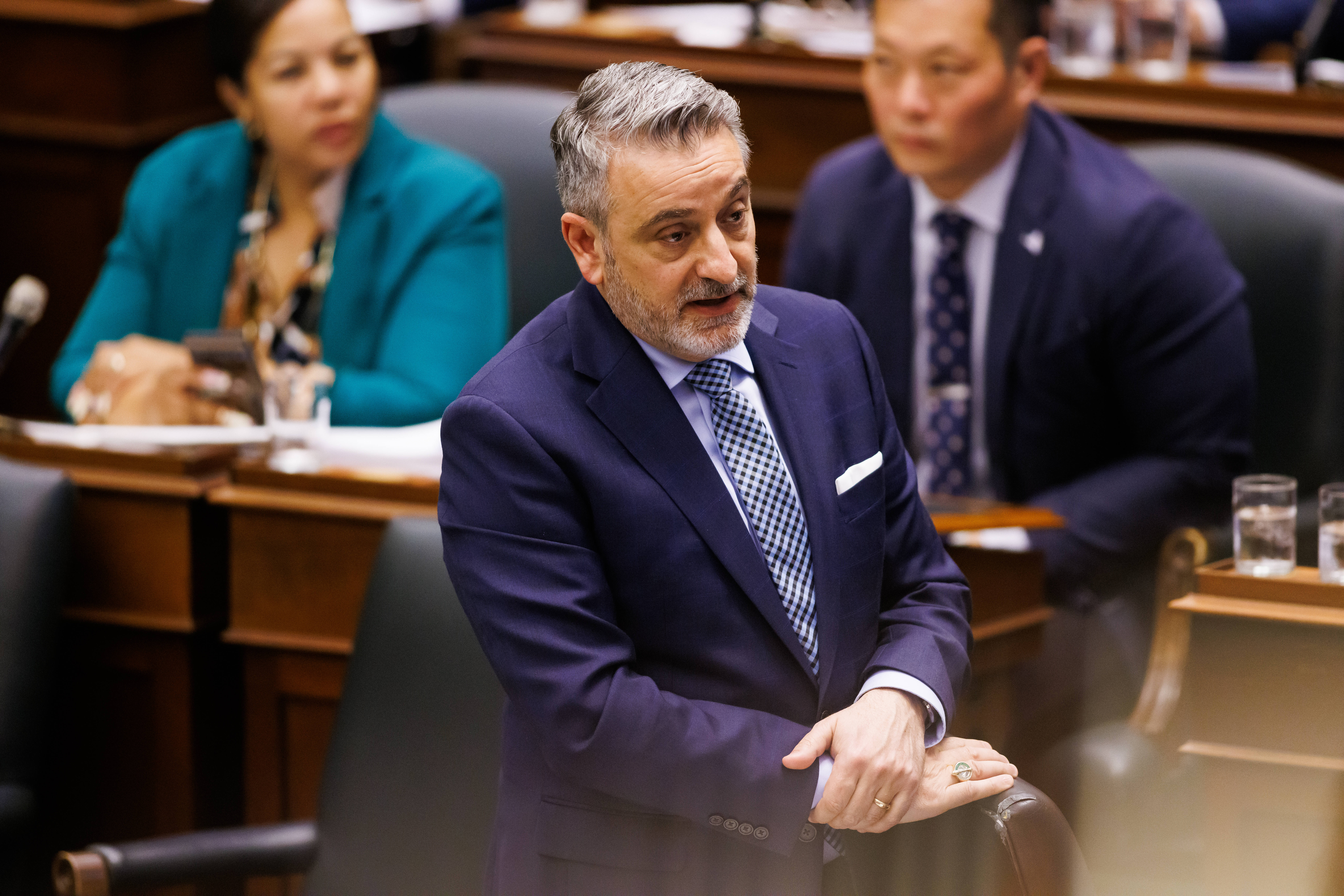
It all started on Monday when Education Minister Paul Calandra stood before microphones and dropped a warning that sent shockwaves through community hockey rinks, soccer clubs, and dance studios across the province. He told reporters that parents shouldn't pull their kids out of class for sports tournaments. "Keep them in school," he insisted, arguing that classroom learning should be the absolute priority. He blamed a collapse in province-wide high school attendance and suggested that letting kids pop in and out of class makes teaching impossible.
The backlash was immediate and furious. Parents pointed out that their honor-roll students sometimes miss a Friday for a major tournament, while the real issue is chronic truancy from kids skipping class to sit on the curb. Sports organizations like the Ontario Hockey League raised flags about elite youth athletes being unfairly punished. Observers at USA Today have shared their thoughts on this matter.
By Tuesday morning, the ministry went into full damage-control mode. Calandra issued a written clarification walking back the harsh tone of his previous remarks. The government confirmed that parents still have the right to request that a child be excused for activities that contribute to a well-rounded education. This includes sports, music, debate, and school-organized events.
The New Numbers on Your Teenager Report Card
The reason this panic erupted in the first place is that Ontario is tying school attendance directly to final grades starting this fall. This isn't just about getting a stern phone call from the principal anymore. Skipping class will actively tank a student's grade point average.
The weight of the new policy depends entirely on what grade your child is entering:
For students in Grade 9 and Grade 10, attendance and participation will account for a massive 15 per cent of their final mark in every single course.
For older students in Grade 11 and Grade 12, attendance and participation will make up 10 per cent of the final course grade.
The penalty system is strict. If a high schooler racks up more than two unexcused absences in a class, they instantly forfeit their chance to earn that full 10 or 15 per cent block of marks. When university admissions and college applications rely on razor-thin grade margins, losing 15 per cent of a mark right out of the gate is a disaster.
Excused vs Unexcused What Counts
The crucial detail that the minister failed to explain clearly on day one is the difference between an excused absence and an unexcused absence. The new grade penalties only apply to unexcused absences.
If you skip school to hang out at the mall or sleep in, that's unexcused. You lose marks.
If you miss school for a legitimate reason that is approved by a parent and accepted by the school, that is an excused absence. Excused absences do not count against the two-absence limit, and they will not lower your child's grade. Traditional excused categories include illnesses, medical appointments, and religious holy days. Under the newly clarified rules, competitive sports tournaments, music competitions, and high-level athletic training also fit under the excused umbrella, provided parents follow the official channels to notify the school.
Why the Province Is Cracking Down on Truancy
To understand why the government is taking such a heavy-handed approach, you have to look at the jaw-dropping numbers regarding Ontario high school attendance. The Ministry of Education tracks chronic absenteeism, which means a student misses 10 per cent or more of their school year.
Before the pandemic, during the 2017-2018 school year, about 60 per cent of high school students met standard attendance goals. Ever since the post-pandemic return to physical classrooms, those numbers have utterly collapsed. Look at the downward spiral of high schoolers hitting their attendance targets over the last few years:
- 2021-2022 school year: 53 per cent
- 2022-2023 school year: 36 per cent
- 2023-2024 school year: 40.5 per cent
- 2024-2025 school year: 40.2 per cent
Right now, only about 40 per cent of Ontario high school students are meeting basic attendance thresholds. It gets even worse as kids get older. Government data reveals that while 46 per cent of Grade 9 students maintain acceptable attendance, that number plummets to a dismal 33 per cent by Grade 12. Two-thirds of Grade 12 students in Ontario are chronically missing class.
Teachers complained bitterly to the ministry that under the old system, coursework counted for 100 per cent of a grade. A student could miss weeks of class, hand in assignments online, and walk away with a top mark without ever showing their face in a lecture. The new policy is a direct attempt to force bodies back into desks.
Opposition Critics Say the Rules Ignore Reality
The political fallout over Calandra's comments highlights a deeper debate about what counts as education. Ontario NDP MPP Chandra Pasma blasted the minister, claiming the sudden walk-back proves he is entirely disconnected from the real needs of students and educators.
Ontario Liberal MPP Stephen Blais argued that the government's fix is still too narrow by focusing primarily on school-organized activities. He noted that many of the highest-performing students participate in elite regional or national sports leagues completely outside of the school system. These extracurricular activities build the exact type of discipline, time management, and leadership skills that help students secure post-secondary scholarships.
Critics from the Ontario Secondary School Teachers' Federation think the government is chasing low-hanging fruit. The union argues that instead of punishing kids with a rigid marking matrix, the province should invest heavily in mental health resources, guidance counselors, and school programming that makes teenagers actually want to show up.
Actionable Next Steps for Sports Parents
You don't need to pull your child out of competitive hockey or competitive dance this year, but you do need to change how you handle their schedule. Do not let absences sit unverified.
First, contact your child's school administration during the first week of September. Ask for their specific written procedure on pre-planned absences for extracurricular sports.
Second, get the official tournament schedules from your child's coaches as early as possible. Do not wait until the night before a tournament to notify the office. Submit the dates of any Friday travel days or tournament days to the school principal weeks in advance.
Third, secure a formal letter from the sports organization or league executive confirming your child's participation and training schedule. Having documentation ready ensures the school codes the missed days as excused right away, protecting that vital 10 to 15 per cent of their final grade. Keep an eye on the online attendance portal every week to make sure no errors accidentally flag an elite athlete as a truant.