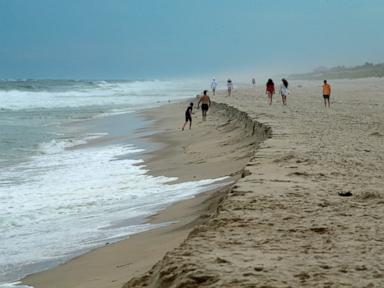
You think you know how to handle the ocean until a normal afternoon turns into a nightmare. That's exactly what happened when a 6-year-old child drowned on a New York beach after being caught in a strong current. It’s the kind of headline that makes every parent’s stomach drop. The tragedy unfolded quickly, leaving bystanders and emergency crews scrambling against an ocean that simply wouldn't cooperate.
When a child is lost to a sudden rip current or an overwhelming swell, the immediate response is shock. Then come the questions. Why didn't anyone swim out faster? Why couldn't the child just float?
Most people fundamentally misunderstand how ocean currents work and how quickly a safe shoreline becomes lethal. If you think swimming strength or basic pool lessons can save a child from a localized ocean surge, you're mistaken. Let's look at what actually happened on that beach, what the headlines leave out, and how to read the water before anyone in your family steps foot in it.
The Reality of What Happened on the Shore
The incident occurred during what seemed like standard beach weather, but hidden underwater topography created a localized, high-velocity channel of water. The 6-year-old was wading in relatively shallow water when a strong current pulled the child away from the shoreline.
Bystanders noticed the distress and tried to intervene, but the force of the moving water was too intense. Emergency responders, including local lifeguards and harbor patrol units, launched an immediate rescue operation. They pulled the child from the water and administered CPR on the sand before rushing to a nearby hospital. Despite hours of life-saving efforts by medical staff, the child was pronounced dead.
This isn't an isolated mishap. It’s a recurring pattern on coastal beaches where shifting sandbars create invisible hazards. The public often blames lack of supervision or weak swimming skills, but the physics of the ocean care very little about how well a child can swim in a calm pool.
Why Shifting Currents Are Deceptively Lethal
The ocean isn't a flat pool with a deep end. It’s a dynamic system controlled by underwater trenches, sandbars, and tidal changes. The National Weather Service frequently issues high risk warnings for rip currents, which are narrow channels of fast-moving water that run from the shore back out to the open sea.
[Shoreline]
  |   ^   |
  |   |   |  <-- Rip Current Channel (Fast water moving OUT)
  v   |   v
[Deep Ocean Water]
These currents don't pull you under. They pull you out.
When a small child is caught in one, the physical force is overwhelming. A rip current can move at speeds of up to eight feet per second. That’s faster than an Olympic swimmer. A 6-year-old stands no chance of swimming against that kind of velocity. The natural instinct is to panic and fight the water, which leads to rapid exhaustion and subsequent drowning.
Local safety advocates point out that beaches often lack adequate enforcement during off-peak hours or shoulder seasons. Even when lifeguards are present, a sandbar collapse or a sudden tidal surge can sweep someone out in a matter of seconds, long before a guard can run down the beach and dive into the surf.
The Mistakes Adults Make When Assessing Beach Safety
I talk to parents who think keeping their eyes on their kids is enough. It’s not. Supervision is a baseline requirement, but you have to know what you're actually looking at.
Relying on the "Ankle Deep" Rule
Many parents believe that if a child stays in ankle-deep or knee-deep water, they're safe. This is a dangerous illusion. A strong backwash or an unexpected shorebreak wave can easily knock a 40-pound child off their feet. Once a child is horizontal in the water, the receding current drags them into deeper territory instantly.
Misreading Calm Water
People look for big, crashing waves as signs of danger. But rip currents actually look like calm, flat gaps between breaking waves. It looks like the safest place to swim because it's peaceful. In reality, it’s a high-speed highway carrying water back out to sea.
Trusting Inflatable Toys
Floaties, boogie boards, and inflatable rings offer a false sense of security. They make a child more buoyant, meaning a strong offshore wind or current will grab them and pull them out even faster. They turn a child into a sail.
Survival Steps That Actually Work
If you find yourself or your child caught in a powerful coastal current, forget everything you think you know about fighting the water. You will lose that fight. Do this instead.
- Flip and Float: Do not try to swim back to the sand. Flip onto your back and conserve your energy. Call for help and wave your arms to attract attention.
- Swim Parallel to the Beach: If you have the strength to swim, move sideways, parallel to the shoreline. Rip currents are usually narrow. By swimming sideways, you can escape the channel of pulling water and reach the breaking waves, which will help push you back toward the shore.
- Never Swim Alone: Always choose beaches with active, on-duty lifeguards. Check the daily surf flags before letting anyone touch the water. A red flag means stay out, no exceptions.
The loss of a child to the ocean is an unbearable tragedy that hits coastal communities hard. We don't need more generic warnings or vague advice. We need a fundamental shift in how we respect the moving water. Pay attention to the tides, understand the structural dangers of the beach you're visiting, and never assume shallow water means safe water. Check the local maritime reports before your next trip. It takes less than a minute, and it saves lives.

:max_bytes(150000):strip_icc()/TAL-nassau-bahamas-BEAUTCARIB0323-4fbfce903e5a4418b895e03717e3de0d.jpg)