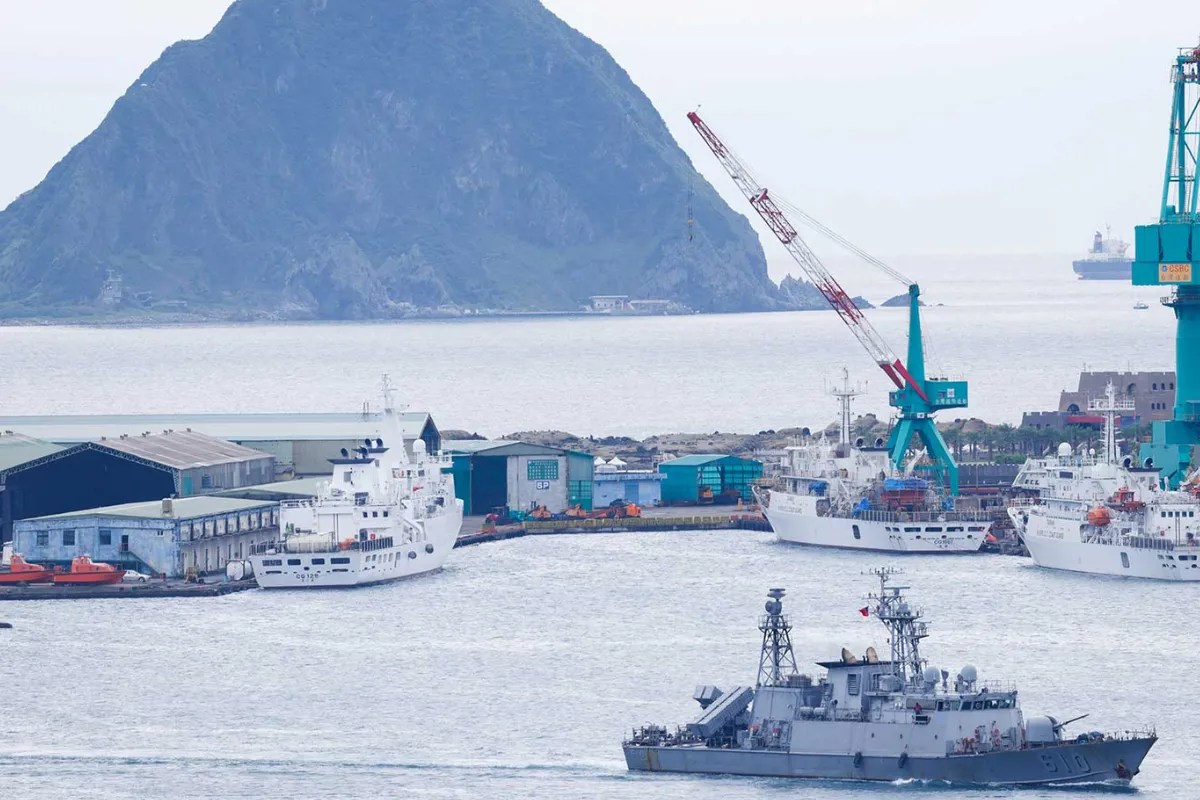
The fragile ceasefire between Washington and Tehran didn't just crack. It shattered. Early Wednesday morning, US Central Command launched what it called a series of powerful offensive strikes deep inside southern Iran. This wasn't a minor border skirmish. US forces pounded over 80 distinct targets, focusing heavily on coastal radar systems, air defense batteries, and more than 60 small attack boats belonging to the Islamic Revolutionary Guard Corps.
The immediate trigger for the military escalation sounds straightforward on paper. Over the span of 24 hours, three massive commercial oil and gas tankers were struck by projectiles and drones while attempting to pass through the strategic shipping corridor. But if you think this is just another round of eye-for-an-eye retaliation, you're missing the bigger picture.
This isn't just about security. It's an economic protection racket run amok, and the fallout is already scrambling global energy markets.
The Extortion Scheme Under the Ceasefire
When the US and Iran signed a 14-point memorandum of understanding last month, it looked like a diplomatic breakthrough. The interim deal was supposed to keep the peace for 60 days while negotiators hammered out a long-term agreement on maritime safety and Iran's nuclear program. To show good faith, the US Treasury Department even issued a special waiver letting Iran openly sell its oil for US dollars on the international market for the first time in years.
Then came the fine print.
Iran started demanding that all commercial vessels transiting the Strait of Hormuz use a specific, state-approved route. Worse, Tehran announced it intended to charge heavy fees for "providing security services" along that route. Western shipping firms and neighboring Gulf states viewed this as an illegal protection scheme. Pay up, or take your chances.
Instead of complying with the extortion, three tankers—including the Qatari liquefied natural gas carrier Al-Rekayyat and the Saudi-flagged supertanker Wedyan—tried to use an alternative route running closer to the coast of Oman.
The consequences were immediate. The vessels were hit by drones and unknown projectiles. Fire broke out on the Qatari ship, prompting the crew to abandon vessel. While Iran didn't directly claim the attacks, its state television explicitly noted the ships were targeted after ignoring warnings. Qatar didn't buy the denial. Doha immediately summoned Iran's deputy ambassador and declared Tehran fully responsible.
Moving Fast From Sanctions to Tomahawks
The Biden administration responded with a swift, two-pronged counterattack. First came the financial hammer. Hours before the jets took off, the Treasury Department abruptly revoked the 60-day oil waiver. Millions of barrels of Iranian crude were suddenly left floating in limbo with nowhere to go.
Then came the bombs.
What makes this round of strikes different is the language coming out of the Pentagon. For months, US military actions in the Middle East have been carefully labeled as defensive or proportional. Not this time. CENTCOM explicitly called this an offensive operation designed to impose heavy costs.
Explosions rocked southern Iranian hubs including Bandar Abbas, Qeshm Island, and the commercial pier in Sirik. By targeting over 60 of the IRGC's fast-attack small boats, the US military is actively trying to break Iran's tactical ability to harass commercial shipping.
Predictably, Tehran claims the US violated Section 10 of the interim memorandum by pulling the oil licenses. Iran's central military command vowed a crushing response, warning that it won't tolerate outside interference in how it manages the strait. We're already seeing the first signs of that blowback. Allies like Bahrain and Kuwait reported incoming fire hours after the American strikes concluded.
Why This Fight Destroys the Status Quo
You can't overstate how vital this tiny strip of water is. In peacetime, roughly 20% of the world's oil and natural gas moves through the Strait of Hormuz. Because of the ongoing conflict, traffic had slowed to a crawl and was only just beginning to recover under the brief protection of the ceasefire.
With the diplomatic track now in tatters, the immediate economic shock waves are already hitting consumers. Crude oil futures spiked 5% immediately following the news of the strikes.
For businesses and global supply chains, the math has fundamentally changed. The hope that the June memorandum would lead to a stable, predictable flow of energy through August is gone. If you're managing maritime logistics or dealing with global energy commodities, you need to throw out your summer forecasts.
Next Steps for Global Trade and Energy Markets
Expect insurance premiums for maritime transport in the Persian Gulf to skyrocket overnight. Some shipping companies will likely pause transits through the strait entirely, opting for longer, more expensive routes around Africa.
If you're exposed to energy pricing, hedge your positions now. The US oil waivers are gone, and Iran has given notice that its negotiators won't return to the table while military threats persist. The 60-day window to build a lasting peace agreement just closed early, and the region is right back to a state of open war.

:max_bytes(150000):strip_icc()/TAL-nassau-bahamas-BEAUTCARIB0323-4fbfce903e5a4418b895e03717e3de0d.jpg)