Don't fall for the surface level headlines. When you read that American and Iranian officials are holding meetings in Doha, it's easy to assume we're on the verge of a massive diplomatic breakthrough. Everyone wants to think a handshake is right around the corner. It's not.
The reality is way more complicated and honestly a bit messy.
Right now, the United States and Iran are locked in a high stakes game of telephone. They aren't sitting across a mahogany table looking into each other's eyes. They aren't even in the same room. Instead, Qatari and Pakistani diplomats are running laps between separate luxury hotel suites in Doha, playing the world's most stressful game of middleman.
This round of talks builds on the Islamabad Memorandum of Understanding and the earlier Lake Lucerne Summit. Both sides say positive progress happened this week. But don't let that diplomatic corporate speak fool you. This isn't a peace treaty. It's a high pressure attempt to stop a massive global energy meltdown while both nations continue to trade metaphorical and literal blows.
Why Direct Talks Are Still a Fantasy
The political theater here is intense. President Donald Trump claimed on social media that Iran begged for these meetings. Tehran immediately hit back, denying they have any intention of talking to the Americans face to face.
Instead, the US sent a powerhouse team to Doha. Steve Witkoff, the special Middle East envoy, and Jared Kushner, Trump's son-in-law, are handling the American side of the strategy. They spent Wednesday huddled with Qatar's ruling emir, Sheikh Tamim bin Hamad Al Thani, and Foreign Minister Sheikh Mohammed bin Abdulrahman Al Thani.
On the other side of the building, Iran's top negotiator, Kazem Gharibabadi, met with those same Qatari officials alongside Pakistani mediators. Gharibabadi explicitly told state media that his delegation has zero interest in direct negotiations with Washington right now.
Why the drama? Because appearance is everything. For Iran, sitting down directly with the US looks like surrender, especially after the devastating joint US and Israeli military campaign that kicked off on February 28. For the Trump administration, showing they can force Iran to the table through backchannels is a massive domestic political win. They don't need to be in the same room to get things done, but the lack of direct communication makes the margin for error incredibly slim.
The Hidden Battle for the Strait of Hormuz
If you want to understand why these talks are happening right now, look at a map. Specifically, look at the Strait of Hormuz.
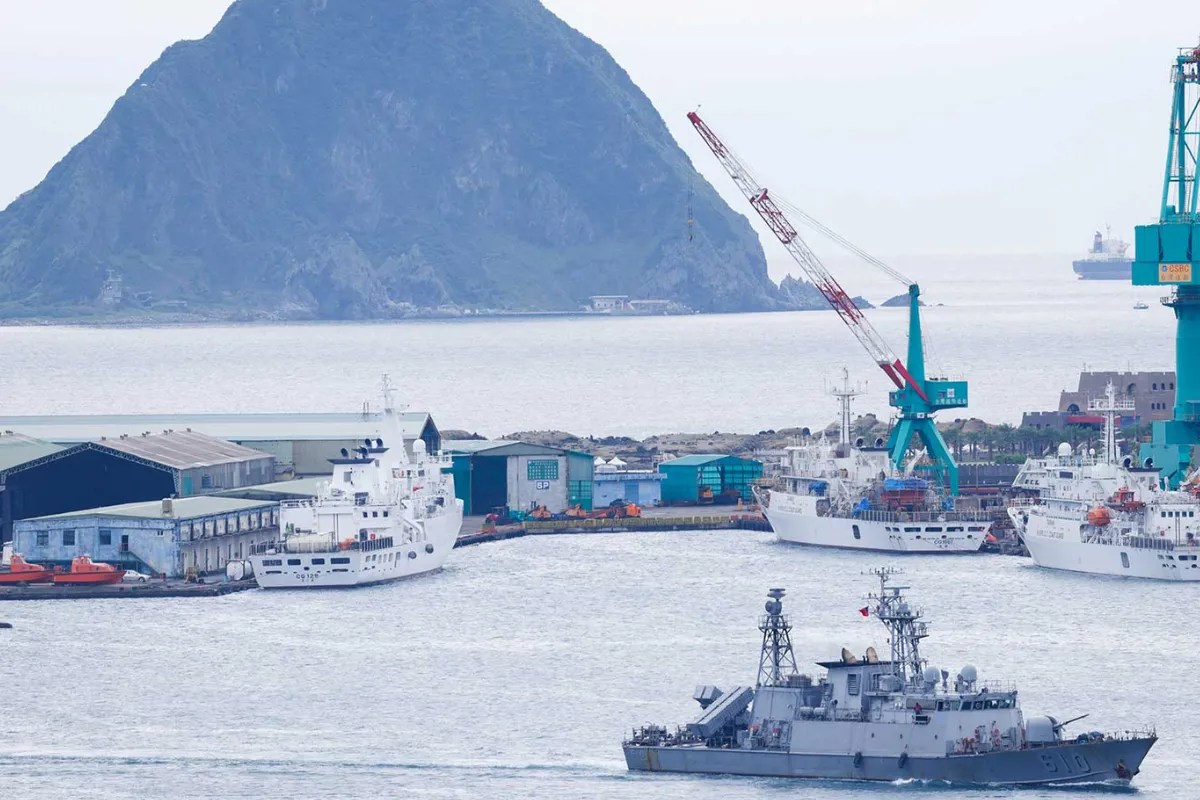
A fifth of the world's oil and natural gas moves through this tiny chokepoint. When the war started earlier this year, Iran effectively shut it down. They used their naval forces to stop cargo ships, which instantly triggered a brutal global energy crisis.
The interim deal gave both sides a 60 day window. The plan was simple on paper. Iran would let ships pass without paying fees, the US would temporarily waive heavy oil sanctions, and Tehran would dilute its stockpile of highly enriched uranium.
But things went sideways fast. Tehran now insists they must control the exact routes of all transit vessels. They want to implement what they call the Route of Authority. They also plan to charge transit fees later, completely upending decades of international maritime law. The US and its Gulf Arab allies are absolutely not going to pay those fees.
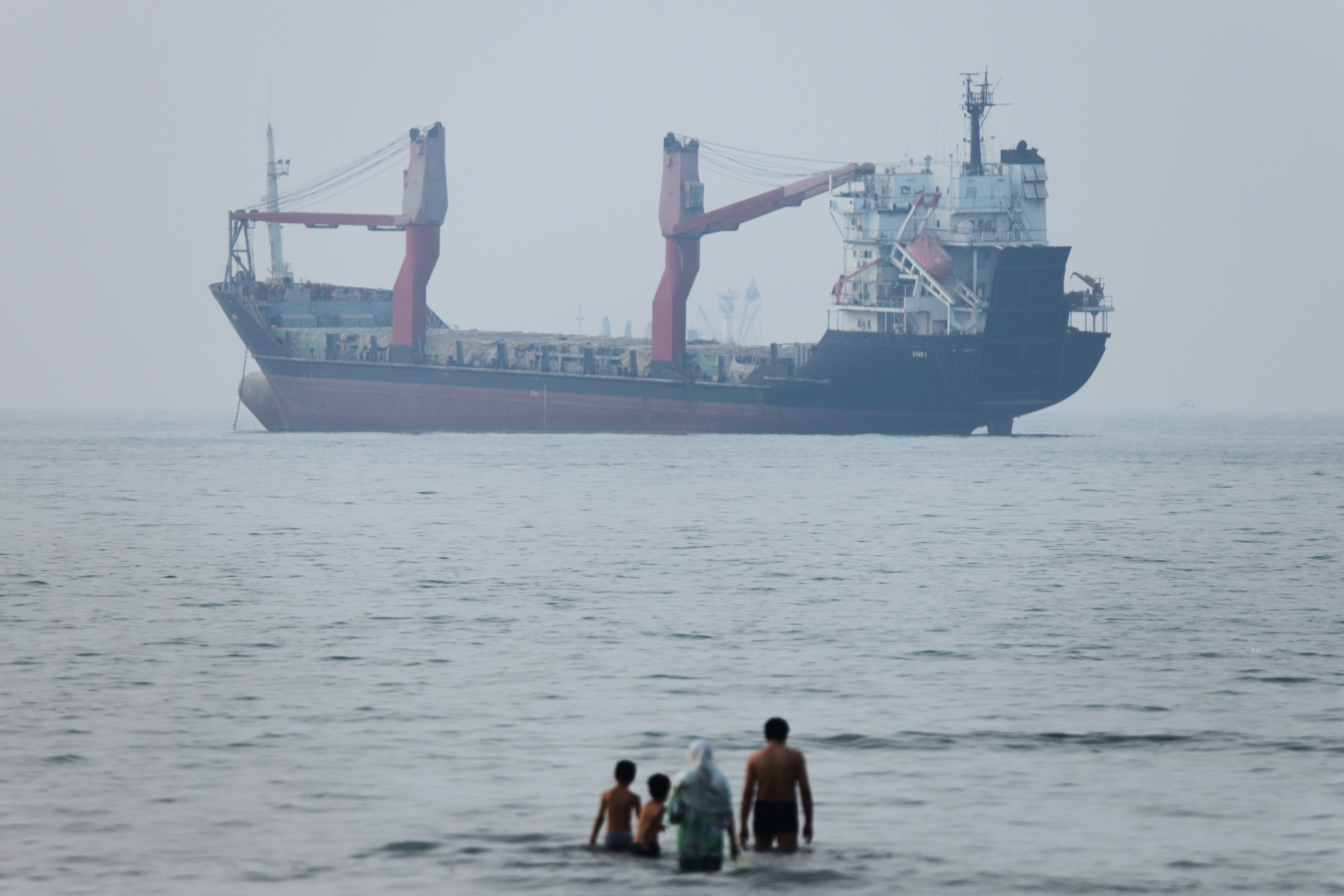
Just this Wednesday, Iranian state television gloated about a foreign container ship that ran aground in the strait because it didn't follow the Revolutionary Guard's approved route. It was a blatant warning shot to the international community. Follow our rules, or your ships don't leave. This happened right after Iran attacked two other vessels earlier in the week, including a tanker carrying Qatari crude oil. The tension is real, and the maritime economy is paying the price.
Khamenei Passing Changes the Entire Timeline
You can't talk about these negotiations without addressing the massive elephant in the room. The supreme leader of Iran, Ayatollah Ali Khamenei, is dead.
His funeral begins this Saturday in Tehran. This political earthquake changes everything for the Iranian delegation. Power structures inside Iran are shifting in real time, and the negotiators in Doha are flying somewhat blind until a clear successor completely solidifies control.
Because of the funeral, the Doha talks have been paused. Qatari Foreign Ministry spokesman Majed al-Ansari announced that the next round of discussions will be scheduled at the earliest possible time after the mourning period concludes.
This transition of power introduces massive volatility. Will the next supreme leader double down on the hardline stance in the Persian Gulf, or will the economic devastation from sanctions force them to make concessions? Iranian President Masoud Pezeshkian is pushing hard to get $6 billion of frozen Iranian assets released from Qatari banks as part of this interim deal. They need that cash badly to buy food and basic goods for a struggling population. The economic pressure is a brutal motivator.
The Thorns in the Negotiation Table
Even if they sort out the oil routes, two massive roadblocks stand in the way of a permanent peace deal.
First, look at Lebanon. Iran demands a total end to the fighting between Hezbollah and the Israeli military. They also want Israel to completely pull out of the territory it currently occupies in southern Lebanon. Israel, backed heavily by Washington, refuses. They want a free hand to strike Hezbollah whenever they feel threatened.
Second, the nuclear issue is back on the front burner. US Vice President JD Vance confirmed to reporters that Washington is deeply worried about Iran's nuclear capabilities. The temporary freeze on uranium enrichment is just a band-aid. The US wants a permanent dismantle, while Iran views its nuclear program as its ultimate insurance policy against regime change.
While these diplomatic fights dragged on in Doha, the reality of military operations loomed large. On Wednesday morning, a US Navy MH-60S Sea Hawk helicopter from the USS George H.W. Bush carrier strike group crashed into the Arabian Sea during an emergency water landing. While three crew members were pulled from the water safely, a massive search is still underway for one missing sailor. The military says there is no sign of hostile action, but it underscores just how dangerous the region remains for the thousands of American troops deployed off the coast of Iran.
What Happens From Here
Forget the vague optimism of diplomatic press releases. If you want to track where this crisis is actually heading over the next few weeks, you need to watch three specific indicators.
Keep a close eye on the shipping data in the Strait of Hormuz. If commercial vessels start successfully bypassing the Iranian military's Route of Authority without getting harassed or struck by drones, the interim agreement is holding. If more ships run aground or face missile attacks, the Doha talks are essentially dead.
Watch the political rhetoric coming out of Tehran next week after Khamenei's funeral. The tone set by the new regime will tell us instantly if they plan to cooperate with Pakistan and Qatar or if they will escalate conflict to prove their strength.
Monitor whether the US actually allows the release of that $6 billion in frozen funds. If that money moves to buy food products, it means Washington sees real compliance on the nuclear enrichment front.
The next move belongs to the diplomats in Doha, but the clock is ticking loudly on that 60 day window.
US and Iran return to peace talks in Qatar is a great broadcast to watch if you want to see the immediate global reaction and visual reporting on the deployment of US naval assets to the region during these sensitive diplomatic maneuvers.

:max_bytes(150000):strip_icc()/TAL-nassau-bahamas-BEAUTCARIB0323-4fbfce903e5a4418b895e03717e3de0d.jpg)