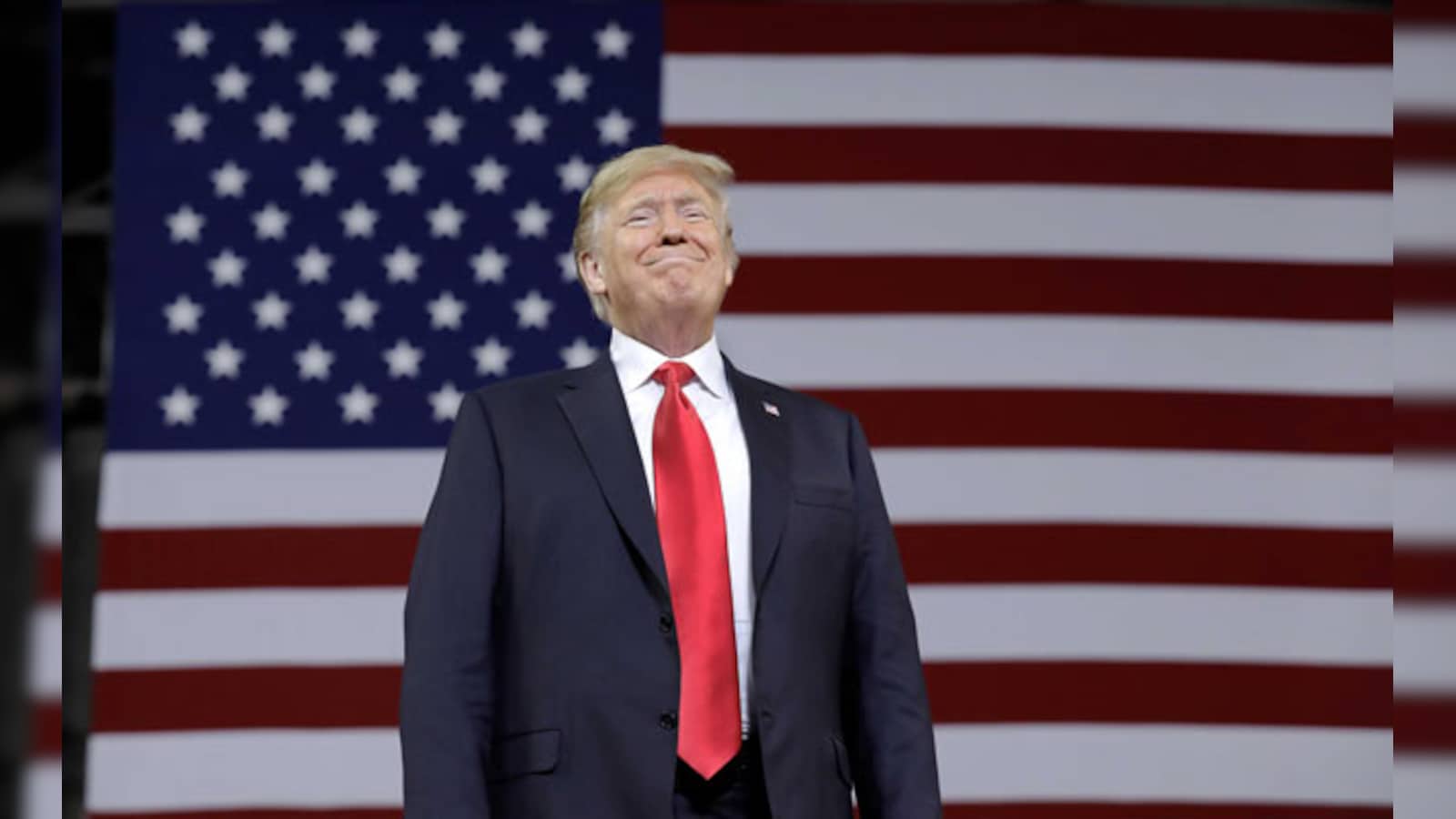
The media is obsessed with the theater of NATO. Reporters love to dissect every handshake, every eye roll, and every awkward press conference between European leaders and Donald Trump.
But behind the political drama, something much more calculated is happening. NATO Secretary General Mark Rutte isn't trying to fight Trump. He's actively managing him.
If you want to understand the future of Western security, you have to look past the headlines about the recent summit in Ankara, Turkey. The real story isn't about whether these leaders like each other. It's about a massive structural shift in how Europe pays for its own defense. Rutte calls it the "Trump Trillion." It's the ultimate charm offensive, but it's also a high-stakes gamble that completely redefines the transatlantic alliance.
The Art of the NATO Deal
For decades, American presidents complained about European defense spending. They gave speeches, signed communiqués, and left frustrated. Trump took a different path. He threatened to walk away entirely if allies didn't pay up.
Instead of pushing back, Rutte leaned directly into Trump's transaction-based view of the world. During their Oval Office meeting, the NATO chief literally brought out charts to show Trump exactly how much money his pressure had generated.
Rutte's math is simple but effective. Since Trump first took office in 2017, European allies and Canada added $1.2 trillion to their military budgets. By branding this windfall as the "Trump Trillion," Rutte gave the U.S. President a massive political victory to claim back home.
It's brilliant diplomacy. It addresses Trump's primary grievance while protecting the core structure of the alliance. Rutte basically told Trump that his tactics worked, hoping that the praise would keep the U.S. committed to European security.
Shifting the Burden to Europe
The strategy isn't just about flattery. There's real money moving across the Atlantic, and it's changing the domestic economic argument inside the United States.
A huge portion of that new European defense spending goes directly into American factories. European nations are buying U.S. fighter jets, missile defense systems, and ammunition. Rutte openly highlights that these investments support roughly 200,000 American jobs. He's turning NATO from an abstract security agreement into a concrete jobs program for the American working class.
We saw the real-world results of this shift at the Ankara summit. The old target of spending 2% of GDP on defense is dead. Allies are now staring down an aggressive 5% target by 2035.
- The Old Way: Europe treated the 2% target like a ceiling, rarely meeting it.
- The New Way: Military spending is becoming the top priority for European budgets, driven by real threats on their doorstep.
This isn't just "burden sharing" anymore. It's what policymakers call "burden shifting." Europe is finally accepting that it cannot rely solely on the American taxpayer to protect its borders while funding generous social safety nets at home.
Why This Gamble Could Backfire
Despite the smiles and the impressive spending charts, the relationship remains incredibly fragile. Trump's praise for leaders like Turkish President Erdogan and his constant questioning of European loyalty show that the underlying tensions haven't vanished.
When the cameras left the Oval Office, the cracks reappeared. Rutte dodged questions about whether he agreed with Trump's hardline stance on Iran's ballistic missile program. While European bases supported thousands of U.S. aircraft sorties for Operation Epic Fury, European capitals remain terrified of being dragged into a wider Middle Eastern conflict that they didn't start.
There's also a massive execution risk. Pledging to spend 5% of GDP on defense looks great on a press release. Actually building the ships, planes, and artillery shells is a completely different story. European defense supply chains are fragmented, slow, and plagued by bureaucratic red tape. If Europe spends hundreds of billions of dollars but fails to produce actual military capabilities, the "Trump Trillion" will look like a accounting trick.
The Reality of Western Security
The transatlantic alliance is changing permanently. The era of America acting as Europe's free private security firm is over, regardless of who sits in the White House.
Rutte's strategy acknowledges this reality. By framing European military expansion as a personal victory for Trump, he bought Europe the time it desperately needs to rebuild its industrial base. It's an aggressive, pragmatic approach to a dangerous world.
If you are tracking geopolitical risk or international business, stop watching the personal chemistry between world leaders. Watch the procurement contracts instead. The real future of NATO isn't being written in diplomatic communiqués. It's being written on the factory floors of defense contractors across Ohio, Pennsylvania, and Western Europe. Watch how fast those factories can scale up. That's the only metric that actually matters.