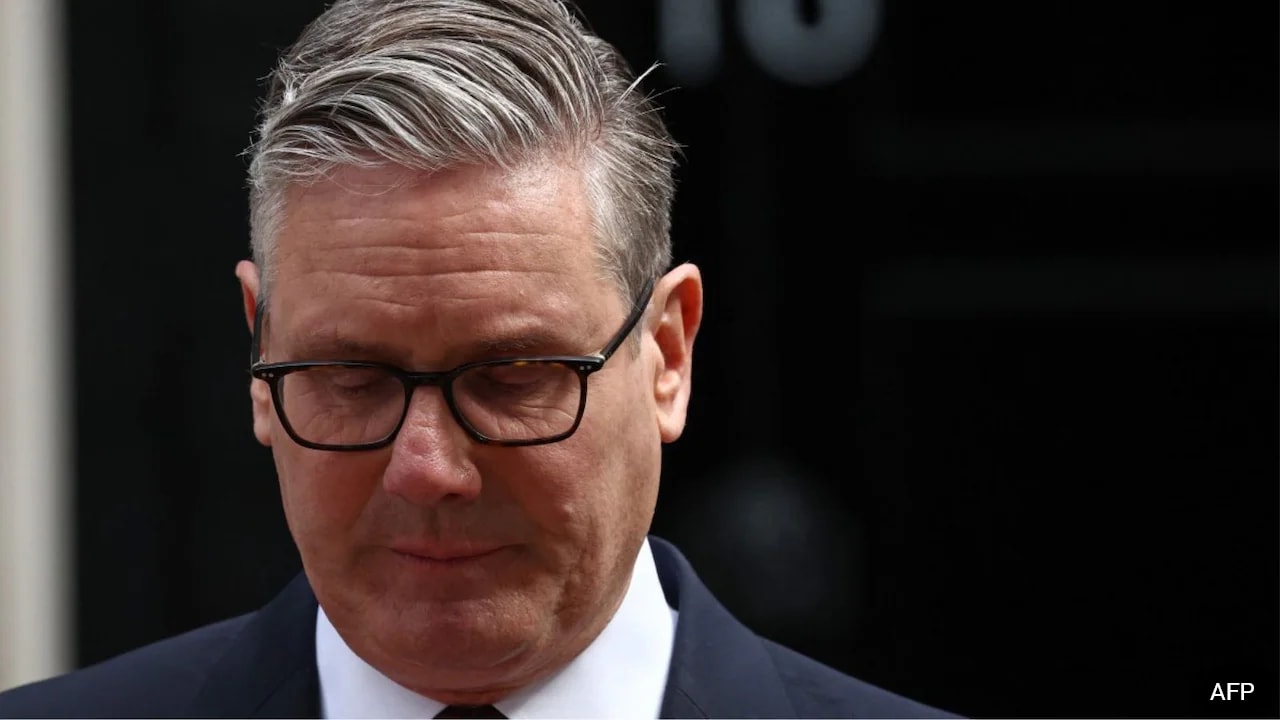
The British prime ministership has officially become the most volatile job in Western politics. When Sir Keir Starmer stood outside 10 Downing Street to announce his resignation, it wasn't just the end of a troubled, short-lived administration. It marked a grim milestone. The United Kingdom is now preparing to welcome its seventh prime minister in a single decade.
For outside observers, the immediate temptation is to blame Britain’s broken political system or chalk it up to standard Westminster palace intrigue. But focusing purely on the drama misses the actual structural rot. Starmer’s spectacular fall from grace, less than two years after securing a historic 174-seat majority in 2024, reveals a deeper, more systemic problem. Winning a landslide victory in modern Britain is no longer a mandate for stable governance. It’s an invitation to an immediate, hyper-accelerated trial by fire that almost no modern politician is equipped to survive.
To truly understand why Starmer resigned, you have to look past the standard headlines and dissect the unique pressures that broke a man once heralded as the ultimate "no-drama" operator.
The Illusion of the 2024 Mandate
The conventional narrative says Starmer had a powerful mandate to reshape Britain. He didn't.
His 2024 landslide was an optical illusion created by a deeply flawed first-past-the-post voting system. The electorate didn't vote for Labour; they voted overwhelmingly against fourteen years of Conservative chaos. Starmer entered Downing Street with a historic majority built on incredibly shallow foundations, recording one of the lowest vote shares for a winning government in British history.
From day one, the public mood wasn't triumphant. It was impatient, deeply cynical, and exhausted. Starmer treated his victory like a traditional mid-century mandate, believing he had years of goodwill to slowly tinker with technocratic reforms. The British public, dealing with broken public services and a stagnant economy, wanted immediate relief. When they didn't get it, the backlash was brutal.
The Triple Whammy That Broke Downing Street
A prime minister can usually survive a bad policy choice or an internal party squall. Starmer faced three massive, simultaneous crises that completely erased his authority within his own party and across the country.
The Fiscal Black Hole and Immediate Policy Reversals
Shortly after taking office, Chancellor Rachel Reeves announced a severe £22 billion fiscal shortfall left by the previous administration. Instead of navigating this with political dexterity, the government immediately targeted vulnerable demographics, most notably stripping the universal winter fuel payment from millions of pensioners. This policy single-handedly destroyed Labour’s core branding as a compassionate alternative to Tory austerity. Compounded by aggressive new taxes on farmers, Starmer alienated both rural communities and traditional left-wing voters in one fell swoop.
The Epstein Shadow and Internal Misconduct
Trust is a fragile commodity in Westminster, and Starmer’s eroded rapidly due to major lapses in political judgment. The decision to appoint veteran Labour power broker Peter Mandelson as the UK Ambassador to Washington completely backfired. When police began investigating Mandelson for alleged misconduct in public office, and fresh revelations connected to the broader Jeffrey Epstein scandal re-emerged, Starmer was caught flat-footed. His initial resistance to removing Mandelson made him look weak, indecisive, and completely hypocritical to a public that had been promised a return to clean, high-standard governance.
The Rise of Insurgent Parties
The political center of gravity in the UK has shattered. The disastrous local elections in early May saw Labour lose more than 1,000 local council seats and drop its historic 27-year grip on the Welsh legislature. Voters didn't run back to the Conservatives; they fled to insurgent parties. Nigel Farage’s Reform UK made massive inroads into working-class, post-industrial towns, running on heavy anti-immigrant and populist economic platforms. On the other flank, the Green Party drained younger, urban voters furious over Labour’s perceived timidity. Labour MPs suddenly realized that under Starmer’s banner, they were facing an existential threat from both the left and the right at the next general election.
How the King of the North Formed a Palace Mutiny
In British politics, the fatal blow rarely comes from the official Opposition. It comes from the benches behind you.
The catalyst for Starmer's exit was the dramatic return of Andy Burnham, the highly popular former Mayor of Greater Manchester. Lovingly dubbed the "King of the North," Burnham represents a radically different flavor of Labour politics: raw, communicative, unashamedly regional, and deeply connected to working-class voters who feel completely ignored by London elites.
Burnham’s decisive victory in the Makerfield byelection provided him with a direct ticket back into the House of Commons. His presence in Westminster acted as an immediate lightning rod for internal dissent.
[Backbench Alarm] ──> [May Local Election Disaster] ──> [Cabinet Defections (Healey/Streeting)]
                                                                   │
                                                                   ▼
[Starmer Resignation] <── [Burnham Sweeps Makerfield] <── [The "Step Aside" Mandate]
The timeline of Starmer's final weeks shows a textbook internal coup. Following the local election rout, senior figures began quietly building an exit ramp. Health Secretary Wes Streeting resigned from the cabinet to position himself for a future leadership challenge, proving that Starmer’s internal support was cratering. Then came the ultimate blow: Defence Secretary John Healey, a bedrock centrist loyalist, resigned over disagreements regarding military spending plans.
When Foreign Secretary Yvette Cooper, Energy Secretary Ed Miliband, and Home Secretary Shabana Mahmood coordinated a private intervention telling Starmer he lacked the numbers to survive a Tuesday cabinet meeting, the game was officially over. Starmer chose a dignified, self-directed exit on a Monday morning rather than facing an unprecedented public mutiny from his own inner circle 24 hours later.
Navigating the Geopolitical Tightrope
While domestic issues broke his premiership, Starmer’s final months were further complicated by a volatile international arena. His administration struggled to define its footing in the "special relationship" with the United States.
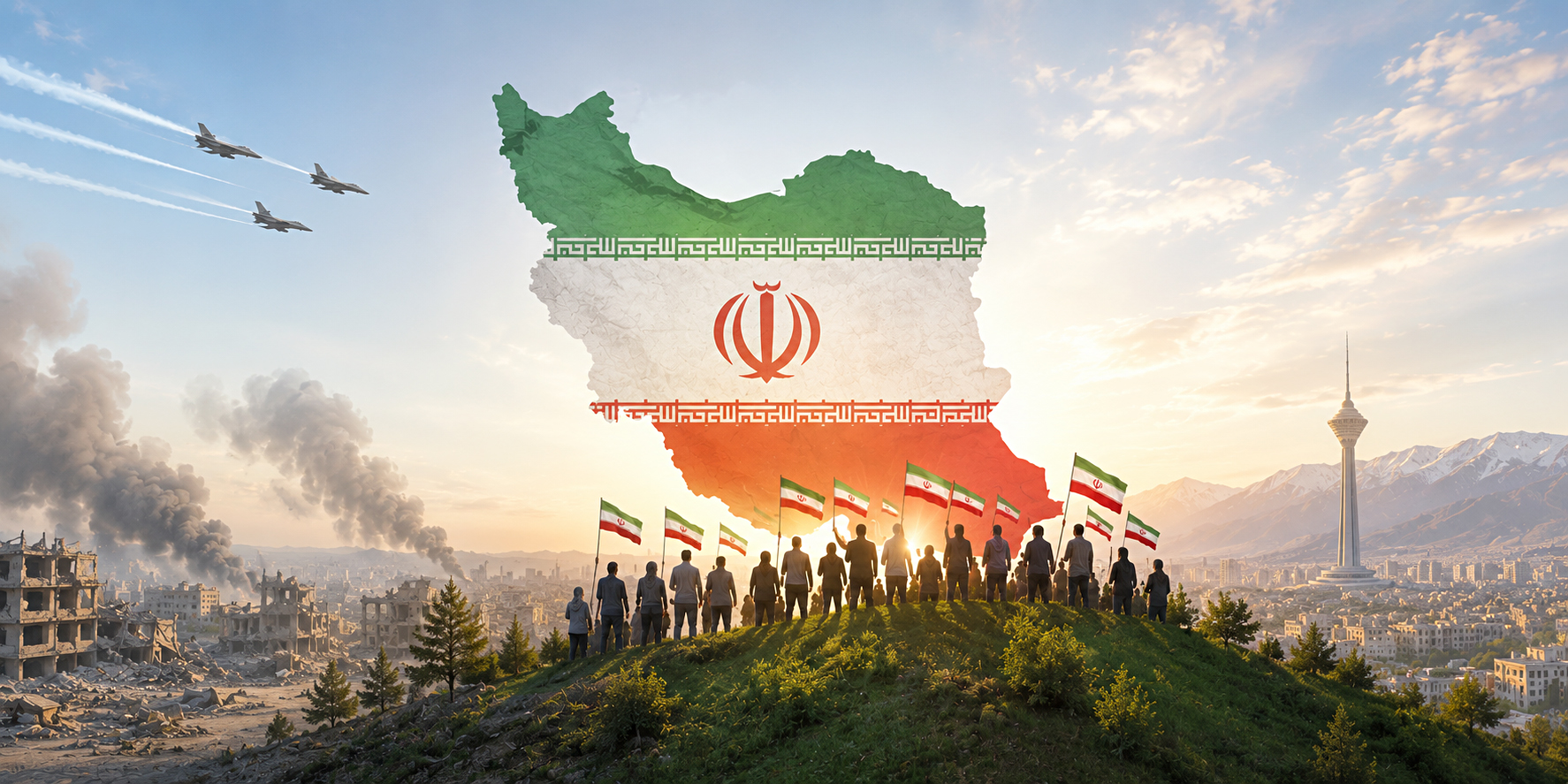
Desperate to avoid the historical ghost of Tony Blair—whose legacy was permanently stained by his unconditional support for the 2003 Iraq War—Starmer tried to chart a highly cautious foreign policy path. He notably restricted U.S. forces from using British bases to launch direct retaliatory strikes against Iran. This risk-averse posture earned him little praise at home and serious friction abroad.
Even before Starmer could deliver his resignation speech, U.S. President Donald Trump publicly weaponized the situation on social media, declaring that Starmer had "failed badly on immigration and energy," exposing just how isolated the British prime minister had become on the global stage.
What Happens Next: The Practical Reality
If you are a business owner, investor, or policy analyst trying to map out what this means for the UK market over the coming months, stop focusing on the leadership horse race. The real mechanics of the transition are highly structured.
- The Caretaker Period: Starmer is staying on as a caretaker prime minister through the upcoming NATO summit in Turkey. This gives the administration a veneer of international continuity, but domestically, government machinery is effectively paused. No major policy changes, major spending bills, or long-term structural decisions will be made before September.
- The Burnham Coronation: Nominations for the next Labour leader open on July 9. While Wes Streeting has the theoretical backing of 81 MPs to force a vote, the overwhelming consensus within the Parliamentary Labour Party is to avoid a bloody, summer-long internal war that would mirror the worst years of the Conservative leadership collapses. Expect a swift consolidation around Andy Burnham to ensure he takes over 10 Downing Street by mid-July.
- The Upcoming Autumn Budget: The most critical financial event of the year remains scheduled for late autumn. Whoever takes the keys to Downing Street will inherit the exact same structural fiscal constraints. The £22 billion black hole hasn't vanished. A Burnham-led government will likely pivot toward regional investment and structural green energy changes, but they cannot escape the reality that public finances are exceptionally tight.
Changing the face at the top of the pyramid doesn't magically reset the economic board. The UK’s structural issues—abysmal productivity growth, an over-burdened National Health Service, and severe regional inequality—remain entirely unchanged. Starmer’s successor isn't getting a honeymoon period; they are getting a front-row seat to the exact same pressure cooker that just claimed its sixth premature victim.