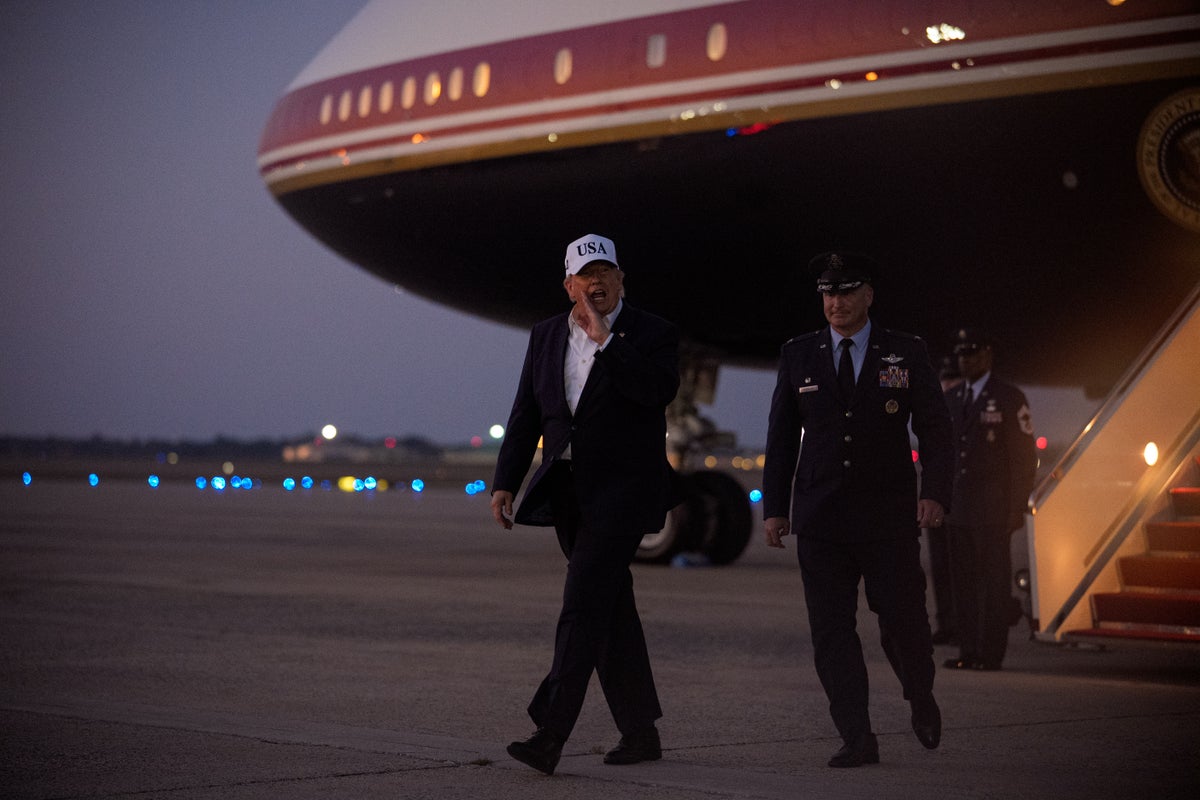
Don't buy into the polished headlines coming out of Doha. If you're looking at the latest developments in the Iran US war, you're probably seeing a lot of conflicting noise. Donald Trump says everything is moving along well. Qatari mediators are talking about positive progress. Meanwhile, the actual diplomatic teams in Doha just hit a massive brick wall.
The public is being fed a sanitized version of a deeply volatile situation. We are told that denuclearization talks are on track, yet neither side is even sitting in the same room. The reality of this conflict is messy, dangerous, and hanging by a thread.
Let's look past the political spin to understand what's actually happening on the ground and behind closed doors.
The Illusion of Progress in Doha
The latest round of indirect talks in Qatar ended in a functional stalemate. Qatari foreign ministry spokesperson Dr. Majed Al Ansari put a brave face on it, claiming the sessions built on previous framework agreements. Don't let the diplomatic jargon fool you. The teams didn't solve the core issues. They spent hours arguing over points everyone thought were already settled weeks ago.
Trump sent his heavy hitters to Qatar. High-profile envoys Steve Witkoff and Jared Kushner landed in Doha to quarterback the American side. But they didn't lay eyes on an Iranian official. The Iranians flatly refuse face-to-face diplomacy with the US right now. Every single proposal, complaint, and clarification has to be carried back and forth by Qatari and Pakistani intermediaries walking down hotel corridors.
It's slow. It's inefficient. It's a miracle anything gets done at all.
The core of the current deadlock comes down to sequencing. Mohammad Bagher Ghalibaf, leading the Iranian negotiation strategy, made Tehran's position entirely clear. Iran won't trigger the next phases of the memorandum of understanding until the first five clauses are completely locked down and stabilized. They want their guarantees upfront. They want to see the money and the sanctions relief before they dismantle a single piece of infrastructure. The US wants the exact opposite. Washington expects verification before validation. It's the classic chicken-and-egg dilemma of international diplomacy, played out with live ammunition in the background.
Trump and Vance Play Down the Combat Risks
Back home, the White House is projecting absolute confidence. Trump brushed off fears that the US is sliding back into an all-out shooting war. He told reporters that the denuclearization of Iran is moving along well and boasted about his excellent meetings. It's classic Trump showmanship. He wants the public to believe his dealmaking prowess is keeping the peace, even when his own military commanders are prepping contingency options.
Vice President JD Vance took the messaging a step further during a recent visit with American troops. Vance went after critics of the administration's diplomatic track, accusing political opponents of wanting a forever war. He argued that the core mission of degrading Iran's immediate strike capabilities has been achieved. According to Vance, continuing the fight just for the sake of fighting makes zero sense.
There's a massive gap between the administration's political rhetoric and the tactical reality. While Trump downplays the threat of renewed combat, the Pentagon is actively reviewing what a return to open warfare would look like. Word leaked that the White House received extensive briefings on military options if the Doha track completely falls apart. They're talking peace, but they're keeping the bombers gassed up.
The Strait of Hormuz Powder Keg
This entire diplomatic dance is happening because the global economy can't handle what's going on in the shipping lanes. The Iran US war isn't just happening in political chambers; it's being fought with drones and sea mines. The economic toll is already hitting regular people hard. Current estimates suggest the conflict has cost the average American household roughly $1,000 in inflated fuel, food, and shipping costs since the major flare-up earlier this year.
Look at the timeline of the last few days to see how fragile this is.
Just before these talks were scheduled, an Iranian drone hit a cargo ship in the Strait of Hormuz. The US military didn't let that slide. Central Command ordered immediate retaliatory airstrikes. American jets hit Iranian military surveillance infrastructure, air defense installations, drone storage facilities, and minelaying vessels.
Tehran didn't back down. The Islamic Revolutionary Guard Corps fired back, launching a coordinated wave of missiles and drones at eight different US military installations across Kuwait and Bahrain.
Right now, a temporary, weeklong de-escalation agreement is keeping the guns quiet in the strait. It's a band-aid. The truce was thrown together just to give negotiators a window to talk in Doha without ships blowing up on live television. Experts aren't optimistic that the waterway will ever return to normal. Iran has realized it can weaponize geography to force the West to the table. They're going to keep squeezing that throat until they get exactly what they want.
The Khamenei Factor Changes the Calculus
If the logistics weren't complicated enough, a massive domestic shift in Iran has completely paused the timeline. The recent passing of Iran's Supreme Leader, Ali Khamenei, has thrown the country's internal power structure into chaos.
Negotiations in Doha have been officially paused. The delegations agreed to head home and will only return after the massive funeral processions and state mourning ceremonies wrap up in Tehran. This isn't just a polite pause for a funeral. It's a strategic timeout.
Khamenei's death creates a dangerous power vacuum. Hardline factions in the Iranian parliament are already crying foul, alleging that a political coup is underway behind the scenes to steer the country toward a softer line with the West. The Iranian negotiators in Doha literally don't know who will be giving them orders next week. Writing a binding agreement with a regime in the middle of a succession crisis is incredibly risky. Whoever takes the reins next could easily tear up the memorandum of understanding on day one.
What Happens When the Truce Expires
The weeklong ceasefire in the Strait of Hormuz is ticking down. Once the funeral ceremonies conclude in Tehran and the political dust clears, both sides face a stark choice.
If you want to know where this situation is actually heading, ignore the press releases and watch these specific indicators over the next few weeks.
First, look at the frozen assets. Part of the interim deal involves unfreezing billions of dollars in Iranian assets held in Qatari banks. Iran claims they're on the verge of accessing $6 billion. If that money moves, the talks stay alive. If Washington blocks the transfer due to the recent missile strikes in Kuwait and Bahrain, the deal dies right there.
Second, watch the international demining efforts. France and Oman have been trying to coordinate an international naval operation to clear out the sea mines choking the shipping lanes. Iran has aggressively rejected this, calling any foreign naval presence an escalation. If international warships start clearing mines against Iran's wishes, expect the daily exchanges of fire to start right back up.
The administration wants you to think the danger has passed. Don't believe it. A stalemate in Doha combined with a succession crisis in Tehran is a recipe for escalation, not peace.
Your next steps to stay ahead of this crisis are practical. Track the global price of Brent Crude oil over the coming days; any sudden spike above the current baseline will tell you exactly when shipping companies decide the Strait of Hormuz is too dangerous to navigate again. Don't rely on single-source political briefings. Watch the actual movement of US naval assets in the Gulf. If the USS Abraham Lincoln or companion strike groups start shifting positions closer to the Iranian coast after the Khamenei funeral concludes, you'll know the diplomatic track has failed, regardless of what Trump claims on social media. Keep your eyes on the data, not the political spin.



.jpg)