Geopolitics doesn't care about your feelings, but it occasionally pretends to have a heart. Take a look at the latest headline-grabbing numbers from the border. India has 386 civilian prisoners and 53 Pakistani fishermen in its custody. Meanwhile, Pakistan holds 52 Indian civilian prisoners and 198 fishermen. When these lists were swapped, social media lit up with a familiar narrative. People claimed India showed massive mercy by holding hundreds more while Pakistan barely let go of anyone.
That is a complete misunderstanding of how bilateral diplomacy actually operates.
This isn't a sudden act of random kindness or a one-sided concession. It's a highly institutionalized, rigid bureaucratic dance that happens exactly twice a year. It's built entirely on a cold legal agreement signed back in 2008.
Understanding the math behind these numbers requires looking beyond sensational headlines. Here is the reality behind the cells, the high seas, and why the prisoner imbalance exists.
The Cold Math Behind the Border Jails
The Ministry of External Affairs confirmed the numbers during the July 1 protocol exchange. India handed over its data, and Pakistan did the same through channels in New Delhi and Islamabad. The gap looks massive on paper. India holds a total of 439 people, while Pakistan reports 250.
But you shouldn't confuse custody lists with a real-time release count.
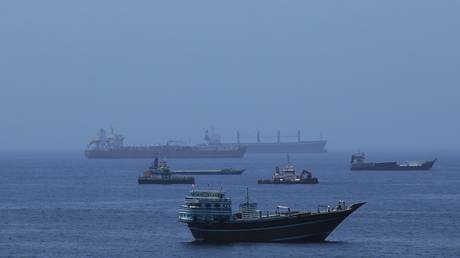
These numbers reflect who is currently behind bars, not who is being gifted freedom on a whim. The primary reason for the high number of fishermen in custody boils down to maritime geography. Sir Creek is a disputed, shifting maritime border patch in the Arabian Sea. The coast guards of both nations regularly pick up poor fishers who drift across these invisible lines. They don't have GPS trackers on simple wooden boats. They go where the fish are, and they pay the price for it.
The real issue isn't the number of people currently locked up. It's what happens after they serve their time.
Why Serving Your Time Doesn't Mean Going Home
If you think finishing a prison sentence means getting your freedom back, you're wrong. In the context of India-Pakistan relations, it's just the start of another bureaucratic nightmare.
India is currently demanding that Islamabad fast-track the return of 188 Indian fishermen and civilian prisoners. These individuals have already finished their legal sentences. They are sitting in Pakistani jails right now for one single reason. Their paperwork hasn't been processed.
On the other side of the fence, Islamabad wants India to return 97 Pakistani prisoners. This group includes 64 civilians and 33 fishermen who have finished their sentences on Indian soil.
The system stalls out during the nationality verification phase. Imagine a poor, illiterate fisherman from a remote village getting caught. When the home government gets his name, they can't just look him up in a unified system. Bureaucrats have to send physical local police teams to verify his family home. The process moves at a glacial pace. Meanwhile, human beings spend months or years languishing in foreign cells even though they've legally served their time.
The 2008 Consular Agreement Keeping the Communication Alive
No matter how bad military tensions get, this specific diplomatic mechanism doesn't stop. The Agreement on Consular Access was signed on May 21, 2008. It dictates a strict rule. Both nations must exchange comprehensive prisoner lists on two specific dates every year.
- January 1
- July 1
This routine continued even after the 2019 Balakot airstrikes, the abrogation of Article 370, and the complete freeze on formal bilateral trade. It functions as a rare, unbroken link of basic communication between New Delhi and Islamabad. It's an explicitly transactional structure, not an emotional one.
The Tragic Human Cost of the Sir Creek Dispute
The biggest victims of this diplomatic gridlock are the fishermen. They aren't spies, and they aren't militants. They are working-class citizens trying to earn a living in dangerous waters.
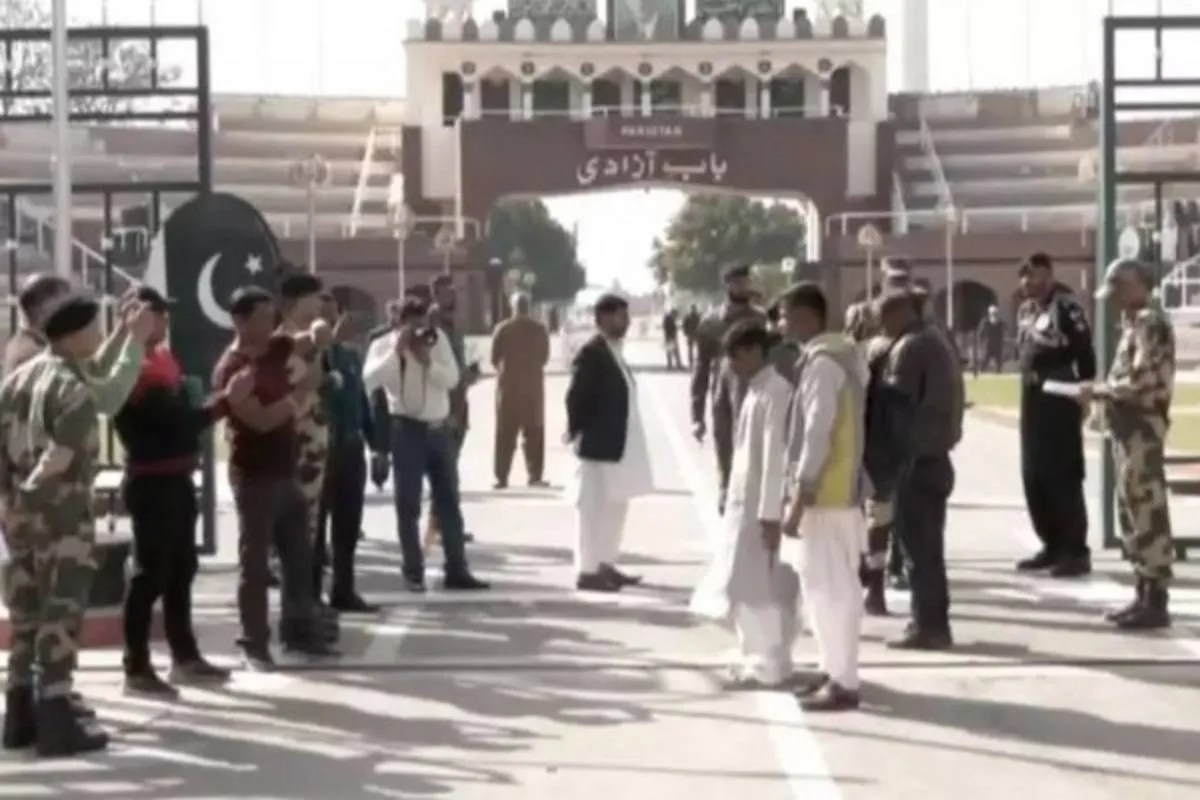
When a boat gets seized, the financial blow ruins the family left behind. India has repeatedly asked Pakistan to return seized fishing boats alongside the captured crews. Pakistan currently holds hundreds of these vessels, which rot away in Karachi ports. Without their boats, these families lose their only way to survive, even if their breadwinner eventually makes it back across the Wagah border.
There are also deeper historical scars involved. During this latest exchange, India pushed again for information regarding missing defense personnel. These are Indian soldiers believed to be in Pakistani custody since the wars of 1965 and 1971. Pakistan historically denies holding them, but New Delhi refuses to drop the matter from the official diplomatic agenda.
What Needs to Happen Next
If both countries want to resolve this humanitarian mess, they need to stop using prisoner data for political points. The solution requires fixing the broken administrative process.
First, the Joint Judicial Committee on Prisoners needs to be brought back to life. This group consisted of retired judges from both countries who visited jails to check on prisoner welfare and speed up releases. It hasn't met since 2013 because of political standoffs. Restarting this committee would instantly cut through the bureaucratic red tape.
Second, both countries need to set up a streamlined digital system for verifying nationality. Relying on slow, manual local police checks keeps innocent people behind bars for extra years.
Until these logistical fixes are made, the bi-annual list swap will remain exactly what it is today. It's a basic counting exercise that tracks human misery without fixing the underlying problem.