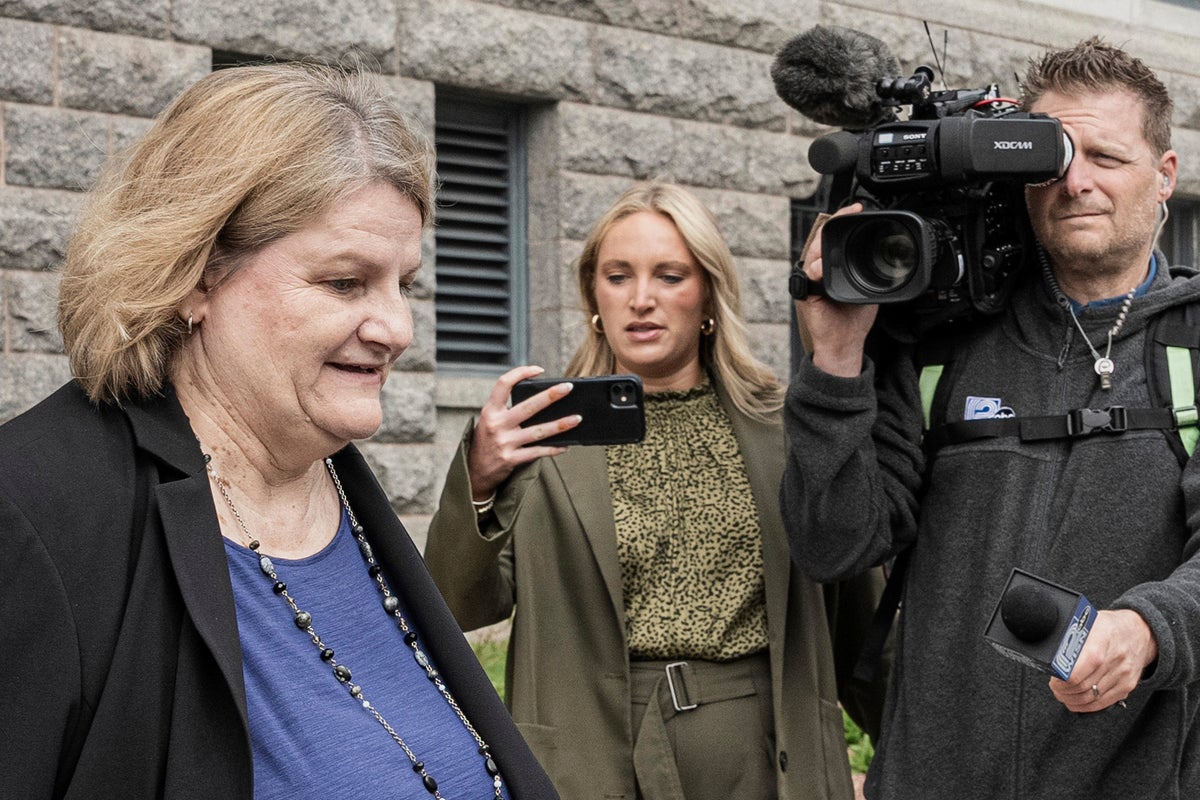
A sitting judge gets led out of her own courthouse in handcuffs by the FBI.
It sounds like a scene straight out of a political thriller. But for former Milwaukee County Circuit Court Judge Hannah Dugan, it became her reality. The fallout is shaking the American legal system.
People are missing the real story here. This isn't just a simple case of a local official playing politics or a rogue judge trying to make a statement. It is a direct, unprecedented clash between local courts and federal immigration enforcement. With the federal government pushing a sweeping immigration crackdown, this case sets a terrifying or necessary precedent, depending on who you ask.
The Day Everything Changed in Milwaukee
Let's look at what actually happened on April 18, 2025.
An undocumented immigrant named Eduardo Flores-Ruiz was scheduled to appear in Dugan's courtroom for a misdemeanor battery case. U.S. Immigration and Customs Enforcement agents found out. They showed up at the Milwaukee County courthouse, waiting in the hallway outside her door to arrest him.
Dugan wasn't happy about it. She confronted the agents right there in the corridor. She demanded to know if they had a judicial warrant, arguing that their administrative ICE warrant wasn't enough to justify an arrest inside a state courthouse. When the agents wouldn't back down, she directed them to the chief judge's office to sort it out.
That was the setup. What happened next is what crossed the legal line.
While the agents were away, Dugan guided Flores-Ruiz and his defense attorney through a private jury door. This door was not accessible to the public or the federal agents. She hoped to help him slip away. It didn't work. Agents spotted Flores-Ruiz further down the corridor anyway. They chased him down and arrested him outside after a short foot chase. He was deported later that year.
A week later, the hammer dropped. FBI agents arrested Dugan inside the courthouse. They handcuffed her and escorted her out.
The Real Legal Battle Behind the Obstruction Charge
Many critics call Dugan an activist judge who thought she was above the law. Her defenders say she was protecting the integrity of her courtroom. The reality is buried in the dry language of federal obstruction statutes.
A federal jury convicted Dugan of felony obstruction of a federal proceeding. They acquitted her on a lesser misdemeanor charge of concealing an individual. Her defense team fought hard against the conviction, launching an appeal that she eventually lost.
The core of her legal defense rested on a technicality. Her lawyers pointed to a Virginia immigration case where a federal appeals court ruled that an ICE arrest did not constitute a "pending proceeding" under federal obstruction laws. They argued that because there was no active federal lawsuit against Flores-Ruiz in her courtroom—only an administrative arrest warrant—she couldn't legally be guilty of obstructing a proceeding.
The prosecution countered with a crucial distinction. Unlike other federal law enforcement agencies like the FBI, ICE has the unique authority to issue its own warrants, adjudicate removals, and execute them without needing a federal judge to sign off. The court agreed with the prosecution. The federal judge overseeing her appeal ruled that the targeted ICE operation, conducted under specific agency procedures, counted as an active federal process.
The High Stakes of Today's Sentencing
Dugan resigned from her bench two weeks after her conviction, facing intense pressure and impeachment threats from state lawmakers. She had been on the bench for nine years. Now, she faces up to five years in prison.
The sentencing highlights the immense political pressure surrounding this case. Federal prosecutors are pushing for a serious sentence, arguing that Dugan abused the power and prestige of her office to subvert federal law. They argue that judges must be held to the highest standard because they are the gatekeepers of the legal system.
On the other side, her defense team argues she has already been punished enough. She lost her career. She faced a wave of public shaming. FBI Director Kash Patel even posted a photo of her in handcuffs on social media with the caption, "no one is above the law." Her lawyers are asking for time served, pointing out that she has no prior criminal history and that this was an isolated incident.
While federal guidelines suggest 15 to 21 months behind bars, judges frequently hand down probation for nonviolent, first-time offenses. No matter what the final number is, her legal team has already made it clear they plan to appeal again.
What This Means for Local Courthouses Across America
This case matters because it changes how local judges can interact with federal agents. For years, legal experts have debated whether federal immigration officers should be allowed to make arrests inside state courthouses.
Some states have tried to restrict ICE access, arguing that courthouse arrests scare undocumented victims and witnesses away from testifying or seeking protective orders. They argue it paralyzes the local justice system.
The conviction of Hannah Dugan draws a sharp line in the sand. It sends a clear message to judges everywhere. You might disagree with federal immigration policy, and you might hate seeing federal agents in your hallways, but if you actively use your judicial authority or court facilities to disrupt their operations, you will face felony charges.
Next Steps for Legal Observers and Citizens
If you want to understand how this impacts the broader legal system, you need to watch three things moving forward.
First, track the upcoming appellate court decisions. If Dugan's team successfully appeals the definition of a "pending proceeding," it could redefine the limits of ICE's authority inside state properties.
Second, monitor how state court systems respond. Watch to see if more states pass formal rules regarding where and when federal agents can execute administrative warrants on state grounds, establishing clear protocols so local judges don't take matters into their own hands.
Finally, keep an eye on federal enforcement tactics. The high-profile nature of this prosecution shows that the federal government is willing to target high-ranking local officials to enforce compliance with its immigration agenda.