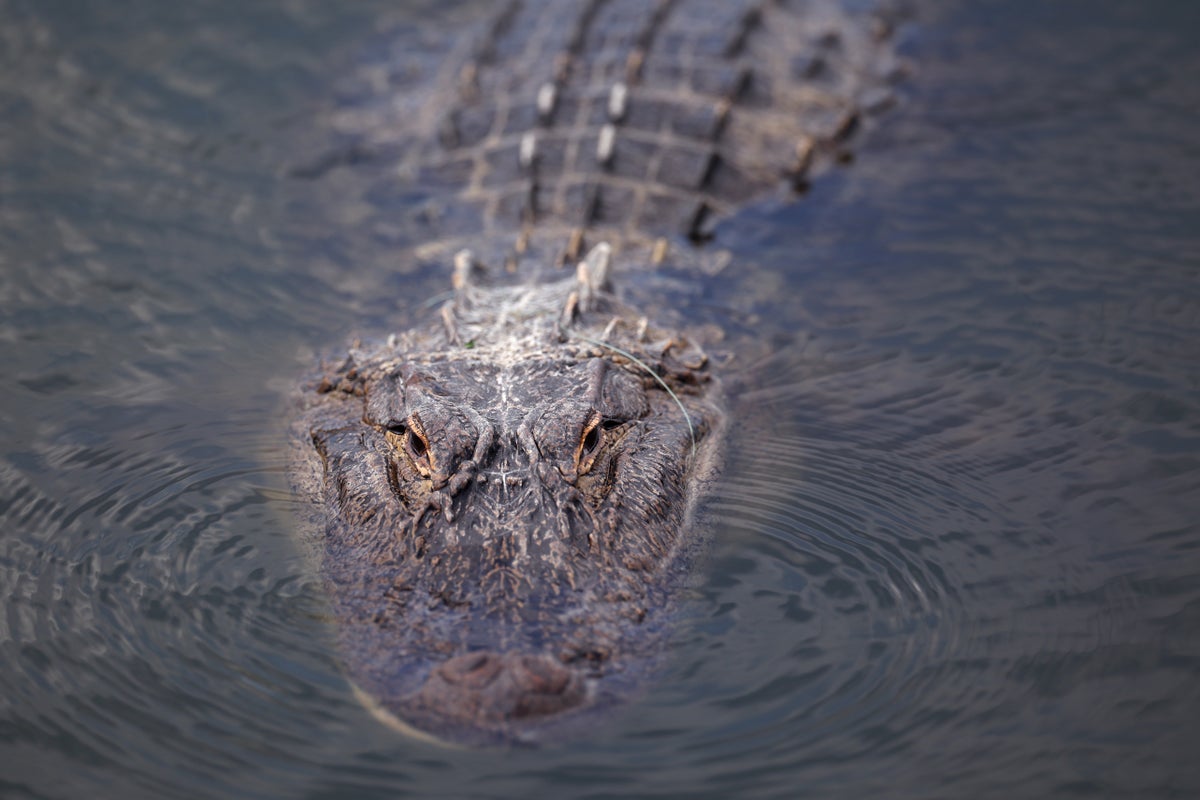
The water was shallow. Only three feet deep. It seemed like a perfectly safe spot to cool off after a hot hike through Seminole County's Little Big Econ State Forest. But in Florida, complacency is a luxury you can't afford. What started as a peaceful Sunday afternoon for an Orlando couple turned into a living nightmare when a massive alligator lunged out of the Econlockhatchee River.
The recent fatal attack on a 31-year-old woman reminds us that wildlife encounters don't always happen in deep, dark swamps. They happen where people swim, hike, and play. If you live in Florida or plan to visit, you need to look past the sensational headlines. You must understand exactly what happened, why it happened, and how to protect yourself when entering any body of freshwater.
The Shocking Reality of the Econlockhatchee River Attack
On a Sunday afternoon, a 31-year-old woman from Orlando was hiking with her boyfriend and her best friend. Seeking relief from the summer heat, they stopped to wade in the river. Experts from the Florida Fish and Wildlife Conservation Commission (FWC) later noted that the group wasn't doing anything malicious or provocative. They were simply standing in waist-deep water.
Without warning, a monstrous alligator struck. The reptile clamped its jaws onto the woman, initiating a violent struggle. Her boyfriend showed immense bravery, immediately jumping into the water to wrench her from the alligator's powerful grip. He fought hard enough to free her, but the physical toll was already catastrophic. Despite the frantic rescue efforts and the rapid arrival of emergency personnel, the victim tragically passed away from her extensive injuries while en route to the hospital.
What the Frantic 911 Calls Reveal About the Incident
When the official audio from the emergency calls emerged via local news outlets, it sent chills through the state. The audio paints a grim picture of the immediate aftermath. You can hear the raw panic in the voices of those on the scene as they try to process the sheer scale of the trauma.
The 911 dispatcher asked a series of direct questions to gauge the severity of the victim's wounds. The dispatcher asked if the victim was awake, how bad the bite was, and whether her limbs were still attached.
The caller response was horrific. They stated that one arm was completely severed and the other was dislocated and barely hanging on by a thread. The phrasing underscored the sheer, unbridled power of an apex predator. Alligators don't just bite. They twist, clamp, and roll with thousands of pounds of pressure.
Following the attack, FWC personnel deployed air assets and specialized trappers to search the stretch of the river. They quickly located and euthanized two exceptionally large alligators in the immediate vicinity. One measured 12 feet in length, and the other spanned a massive 13 feet. Both reptiles were sent for immediate DNA testing to confirm which one was responsible for the fatal mauling.
The Environmental Perfect Storm Behind the Tragedy
To truly understand this incident, you have to look at the environment. This wasn't just a random act of aggression. It was the result of a dangerous ecological intersection.
Florida has been enduring a prolonged, severe drought. This drought has caused water levels in rivers like the Econlockhatchee to drop significantly below their normal seasonal averages. When water levels recede, the physical space available to marine wildlife shrinks. Large alligators are forced into tight, shallow pockets of water, bringing them into closer proximity with one another and with humans.
At the same time, the state was reaching the tail end of the alligator mating season. During this period, large bull gators become extraordinarily territorial and aggressive. They are actively searching for mates, defending their domains, and moving around much more than they do during the cooler months. Combine low water levels with heightened territorial aggression, and you get a volatile environment where apex predators are primed to strike anything that disrupts their space.
A Pattern of Recent Incounters Across the State
This fatal attack wasn't an isolated event. It came during a particularly active stretch of human-alligator interactions across Central Florida. Just 24 hours before the tragedy at Little Big Econ State Forest, an alligator bit a young boy on the hand while he was fishing with his father at Nelson's Fish Camp in Marion County. Luckily, that reptile was smaller, measuring eight feet and seven inches, and the boy escaped without life-threatening injuries.
A week prior to that, another incident occurred in the Rainbow River in Dunnellon. An eight-foot alligator bit a man who was snorkeling in the clear waters. The victim required emergency medical treatment but was eventually discharged from the hospital. FWC officials successfully tracked and harvested the alligators involved in both of those non-fatal incidents.
Common Misconceptions About Alligator Behavior in Shallow Water
Many people believe alligators only hide in deep lakes or sluggish, muddy bayous. This belief is entirely false. Alligators are incredibly well-adapted stalkers that can navigate, hunt, and strike in water so shallow it barely covers their backs.
An alligator doesn't need ten feet of water to launch an ambush. A twelve-foot gator can compress its body and lie completely flat in two or three feet of water, becoming practically invisible to an untrained eye. They utilize overhanging brush, submerged logs, and river bends to obscure their silhouettes. By the time a swimmer or wader spots the ridge of its back, the reptile has already closed the distance.
Another common myth is that alligators are inherently afraid of adults and will only target small pets or children. While it is true that smaller gators prefer smaller prey, a mature alligator exceeding twelve feet views almost anything in the water as a potential threat or a meal. At that size, their instinctual caution diminishes, especially when their hormones are surging during the mating and nesting seasons.
Analyzing the Hard Numbers
It helps to look at the historical data to keep things in perspective. The FWC tracks unprovoked alligator bites meticulously. According to state records, Florida is home to an estimated 1.3 million alligators spread across all 67 counties. Every single body of fresh or brackish water has the potential to house a gator.
Statistically, serious injuries and fatalities remain incredibly rare. The state averages roughly eight unprovoked alligator bites per year that require medical attention. From 1948 through recent tracking, Florida has recorded fewer than thirty fatal alligator attacks.
While the odds of an encounter are low, the consequences are absolute. When an attack does occur, it is often devastating. The physical capabilities of a large alligator mean that even a single defensive or predatory bite can result in amputations, severe blood loss, or drowning.
Actionable Steps to Stay Safe in Florida Freshwaters
You don't need to live in fear, but you do need to practice situational awareness. If you are going to recreate near Florida waters, you should follow strict safety protocols to minimize your risk.
- Assume every body of water contains an alligator. This includes retention ponds, golf course hazards, clear springs, slow-moving rivers, and lakes. Never assume a body of water is safe just because it looks clear or shallow.
- Avoid swimming outside of designated areas. Stick to guarded, clear swimming areas specifically marked as safe from large wildlife. Even then, remain vigilant.
- Never swim during dawn, dusk, or nighttime hours. Alligators are nocturnal and crepuscular hunters. Their vision is highly adapted to low-light conditions, giving them a massive advantage over humans during these times.
- Keep your distance from the water's edge. When hiking or walking dogs, stay at least ten to fifteen feet back from the shoreline. Alligators hunt by lunging from the shallows onto the bank. Dogs are particularly attractive targets and can easily draw a gator's attention.
- Never feed alligators under any circumstances. Feeding gators is illegal in Florida for a reason. It causes them to lose their natural fear of humans and associate people with food. A fed gator is a dangerous gator that will eventually have to be euthanized.
- Do not splash excessively. Heavy splashing mimics the sounds of a distressed animal in the water. This acoustic signature can draw a curious or hungry alligator from hundreds of yards away.
If you ever encounter an alligator that seems aggressive, poses a threat to a residential area, or shows no fear of humans, do not try to handle it yourself. You can call the Nuisance Alligator Hotline directly at 1-866-FWC-GATOR. The state will dispatch a contracted, professional trapper to remove the animal safely.
Respect the wildlife and stay alert. Your life depends on it.
To better understand how state officials handle these dangerous encounters and manage the apex predator population, watch this news report detailing the aftermath of a similar high-stakes reptile removal operation: Florida Alligator Attack Response and Wildlife Management Footage. This coverage highlights the exact procedures and challenges authorities face when managing large nuisance alligators that interact with the public.
:max_bytes(150000):strip_icc()/TAL-nassau-bahamas-BEAUTCARIB0323-4fbfce903e5a4418b895e03717e3de0d.jpg)