The federal government wants to decide who gets to sit on daytime television talk shows. It sounds like an overreach from a dystopian novel, but it is happening right now in Washington.
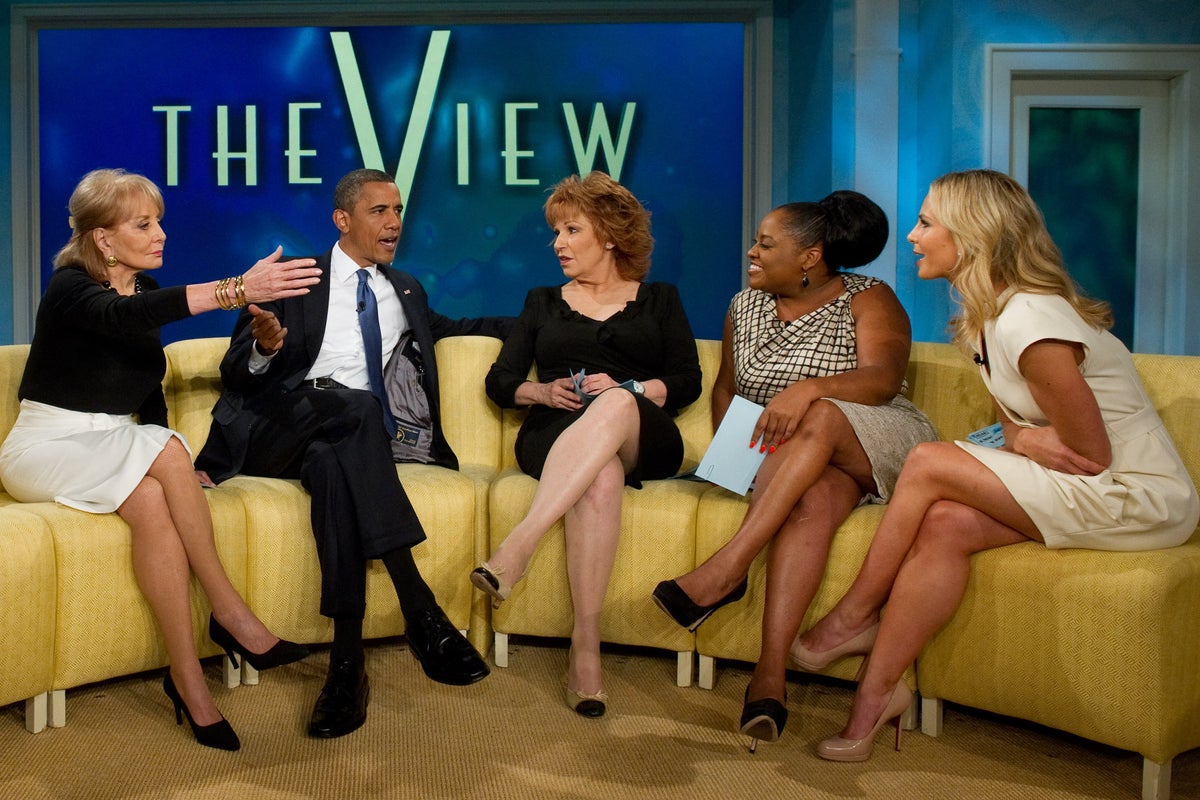
The Federal Communications Commission, led by Trump-appointed Chairman Brendan Carr, has set its sights on ABC’s daytime giant, The View. The agency is aggressively questioning whether the long-running show should lose its decades-old exemption from federal equal-time rules. If the FCC wins this fight, the fallout will stretch far beyond Whoopi Goldberg and her co-hosts. It could fundamentally change how broadcast media handles political commentary.
ABC and its parent company, Disney, are fighting back with everything they have. In a stinging legal filing, the network accused regulators of attempting to slide into the editor's chair. They argue that the government has no business overriding a broadcaster's editorial judgment about whom to interview.
This isn't just a minor regulatory spat. It's a high-stakes constitutional battle over the future of free speech on American airwaves.
The Real Agenda Behind the Equal-Time Rule Push
The legal mechanism the FCC is using relies on something called the equal-time rule. Under US law, if a broadcast television or radio station permits a legally qualified candidate for public office to use its facilities, it must afford equal opportunities to all other such candidates for that office.
There are massive exceptions to this rule. Newscasts, news documentaries, and bona fide news interview programs are totally exempt. Back in 2002, the FCC officially ruled that The View qualified as a bona fide news interview program. That decision allowed the show to mix entertainment, celebrity gossip, and hard-hitting political interviews without being forced to give equal airtime to every fringe political candidate.
Now, Brendan Carr wants to tear up that precedent.
Carr has argued on conservative networks that it is an uphill climb for Disney to prove The View is a straight news program. He points to the highly partisan nature of the panel, which frequently and fiercely criticizes Donald Trump. The administration's defenders claim they are just enforcing the law evenly.
That explanation is hard to swallow. The timing of this regulatory sudden interest tells a completely different story.
The agency initiated its license challenge against ABC just a week after the White House publicly demanded the network fire late-night host Jimmy Kimmel over a joke about the first lady. When ABC refused to bend, the FCC suddenly dragged all eight of ABC’s local station licenses into an early renewal process. Those licenses were not even supposed to come up for review until 2028.
Calling this a neutral administrative review is laughable. It looks like retaliation.
How the Government Is Already Chilling Free Speech
You might think The View can just laugh off the pressure. They can't.
Government pressure works even when it doesn't result in a formal fine or a canceled license. It works by forcing companies to police themselves out of sheer fear.
A recent analysis by Semafor revealed that since the FCC announced this investigation, The View has not featured a single political candidate running in a competitive midterm race. Behind the scenes, the show's staff admitted to political campaigns that they are proceeding with extreme caution regarding candidate bookings while the FCC inquiry hangs over their heads.
The chill is real.
When a federal regulator threatens your multi-billion-dollar broadcast licenses, you stop taking risks. You stop booking controversial figures. You play it safe. This is exactly what Democratic FCC Commissioner Anna Gomez warned about when she noted that the agency's campaign is explicitly designed to alter media behavior.
The government doesn't need to officially censor a show if it can scare the network into censoring itself.
Why Talk Radio Gets a Free Pass
ABC’s legal team, led by high-profile lawyer Paul Clement, raised an incredibly sharp point in their latest filing. The FCC is laser-focused on daytime and late-night television shows that happen to be critical of the current administration. Meanwhile, they are completely ignoring the massive world of conservative talk radio.
On AM and FM dials across the country, political candidates routinely appear on friendly talk shows without their opponents ever receiving a second of equal time. The FCC isn't opening investigations into those stations. They aren't forcing early license renewals on broadcasters that air hours of uncritical praise for the administration.
This selective enforcement betrays the true motive. It is not about protecting the public interest or ensuring voters get balanced information. It is about punishing critics and protecting allies.
More than 77,000 public comments flooded the FCC during the recent open comment period. The vast majority of those comments supported The View and demanded the government respect the First Amendment. The public sees the danger here even if the regulators pretend not to.
The Dangerous Precedent for Local Broadcasters
If the FCC successfully reclassifies The View, the ripples will crush local TV stations first.
National networks like ABC have the money to fight this out in federal court for years. Your local news station does not. If the definition of a news program narrows to exclude any show that features opinion or entertainment elements, local morning shows and lifestyle programs will drop political coverage entirely.
Imagine a local morning show that interviews a candidate running for mayor. Under a narrowed FCC rule, that station might be legally obligated to give twenty minutes of free airtime to fifteen other minor candidates on the ballot. Rather than dealing with that logistical nightmare, the station will simply decide that politics isn't worth the trouble. They will talk about the weather and local baking competitions instead.
Voters lose when that happens. They get less information, less debate, and less access to the people running for office.
What Needs to Happen Next
This fight is going to end up in the federal courts, and the judiciary needs to draw a hard line against regulatory overreach.
Broadcasters must refuse to compromise their guest lists. The moment a network lets the FCC dictate who can sit at the table is the moment the First Amendment loses its meaning on television.
Pay close attention to how the FCC handles the upcoming broadcast license renewals for ABC’s local stations. If the agency attempts to hold those licenses hostage over national political commentary, it will be an open declaration of war on the free press.
Support editorial independence by demanding that regulators stick to managing the airwaves, not the scripts.