The global economy is staring down a barrel in the Middle East. If you think the recent military exchanges in the Strait of Hormuz are just another round of familiar geopolitical posturing, you are missing the bigger picture. Things are fundamentally different this time.
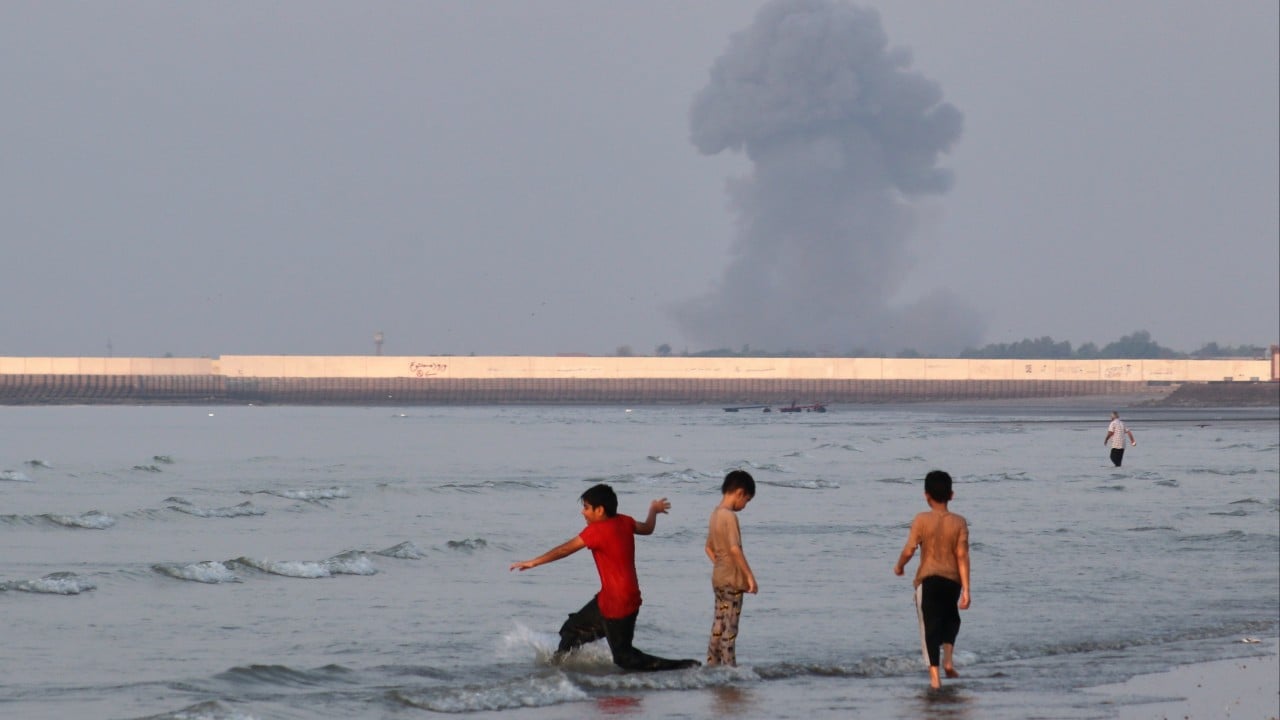
Over the weekend, Iranian missiles struck UAE-associated oil tankers navigating the strait, causing casualties among the crew. The US military responded almost immediately, hitting over 80 targets inside Iran. This massive wave of retaliatory strikes represents a massive escalation that threatens to permanently derail a fragile interim peace deal. Recently making waves lately: Why Darline Graham Nordone Is More Than Just A Legacy Appointment In South Carolina.
To make matters wilder, Washington just announced plans to bar any ships trading with Iran from the region while imposing a steep 20 percent transit fee on all other commercial traffic passing through the waterway. The situation isn't just unstable. It is actively transforming how global trade operates.
Understanding why this escalation happened now requires looking past the standard talking points. The crisis isn't just about regional rivalry anymore. It is an all-out battle for control over the world's most critical energy chokepoint. Further information on this are covered by BBC News.
The UAE Tanker Attacks and the Illusion of Safe Passage
For months, shipping companies operated under the assumption that a shaky diplomatic understanding would keep the peace. That assumption died over the weekend.
The Iranian Revolutionary Guard Corps (IRGC) Navy targeted two tankers linked to the United Arab Emirates. Tehran claimed the vessels were traversing an unauthorized, non-approved route. It was a direct challenge to international maritime norms. The reality on the water was brutal. Missiles struck the hulls, killing and injuring sailors, and instantly driving global insurance markets into a panic.
This wasn't a random miscalculation. It was a deliberate demonstration of leverage. Iran wants the world to know that it can choke off the 21-mile-wide passage whenever it pleases. By targeting UAE assets, Tehran is signaling to its regional neighbors that compliance with Western maritime coalitions carries a devastating price tag.
Ship owners are scrambling. The old playbook of flying a neutral flag or relying on vague diplomatic immunity doesn't work anymore. If you sail through Hormuz right now, you are putting your crew and your cargo in a literal crossfire.
Why the Interim Deal Colapsed So Fast
The weekend attacks did not happen in a vacuum. Envoys had been meeting indirectly in Qatar to hammer out a lasting framework to end the broader conflict. The ink on the initial memorandum of understanding was barely dry before both sides started accusing each other of flagrant violations.
Diplomacy failed because the underlying incentives are totally misaligned. Washington wanted absolute freedom of navigation without lifting major economic pressures. Tehran saw compliance as a slow economic death sentence. When the IRGC hit those tankers, they were effectively blowing up the negotiating table. They gambled that the West would back down to prevent an energy crisis. Instead, they triggered a massive military response.
Washington Rebounds with Massive Waves of Strikes
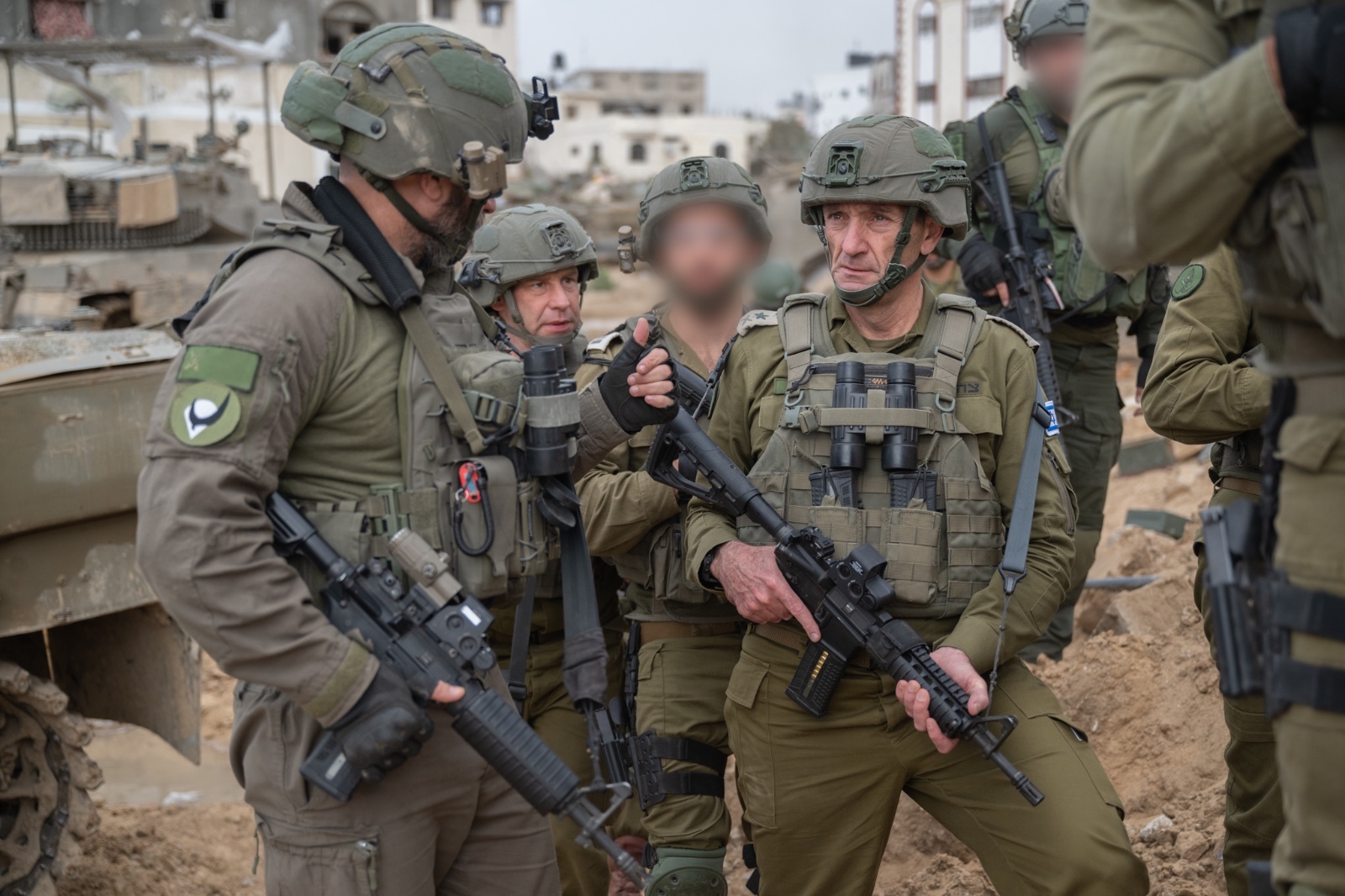
The Pentagon did not hesitate. US Central Command quickly released footage of retaliatory strikes hitting dozens of military targets across the Islamic Republic.
[CENTCOM Strike Data Summary]
Targets Hit: Over 80 military installations
Locations: IRGC coastal missile batteries, drone launch facilities, command hubs
Primary Objective: Neutralizing anti-ship capabilities near the strait
These strikes were designed to degrade Iran's ability to launch anti-ship missiles and deploy drone swarms. US officials insist the strait remains open to international traffic. Yet, claiming a waterway is open is very different from making it safe.
The military reality is messy. You can bomb radar stations and concrete launch pads, but you cannot easily eliminate thousands of mobile, asymmetric threats hidden along a rugged coastline. Iran still possesses significant numbers of hidden fast-attack craft and sea mines. The US military can secure the shipping lanes temporarily, but maintaining that security requires an exhausting, continuous presence.
The True Cost of the New Transit Fees
The military back-and-forth is scary enough, but the economic policy shifting in Washington might have a longer-lasting impact. The decision to slap a 20 percent transit fee on commercial shipping through the Strait of Hormuz is sending shockwaves through international boards.
This policy transforms a global public good into a paid security zone. The logic from the White House is simple. If the US military is going to risk its ships and personnel to keep the lanes open, the global supply chains that benefit from that security need to foot the bill.
The economic fallout will be fast and painful.
- Skyrocketing Fuel Costs: Energy companies will not absorb these fees. They will pass them directly to consumers, meaning higher prices at the pump worldwide.
- Supply Chain Realignment: Manufacturing hubs in Asia are already rethinking their reliance on Middle Eastern crude, accelerating a pivot toward costlier alternatives.
- Insurance Premium Spikes: Marine war-risk pools are re-evaluating coverage, making it prohibitively expensive for smaller operators to insure their vessels.
This fee changes the math for every single commodity trader on earth. It forces businesses to choose between paying a massive premium to transit the gulf or taking the long way around Africa, adding weeks to transit times and destroying just-in-time delivery models.
Asia Moves to End Its Love Affair with Efficiency
For decades, Asian economies prioritized ultra-efficient, low-cost supply chains above almost everything else. The combination of pandemic disruptions, European instability, and now an active naval war in Hormuz has broken that mindset.
Governments from Seoul to Tokyo are realizing that relying on a single, highly volatile maritime chokepoint for the bulk of their energy imports is strategic madness. Energy import bills are projected to rise dramatically if these disruptions continue. The focus is shifting hard from efficiency to resilience. This means building massive domestic reserves, investing heavily in alternative transport corridors, and looking to diversify suppliers away from the Gulf entirely.
What Happens Next on the Water
The situation is fluid, and expecting a quick diplomatic resolution is a mistake. Both sides have dug into their respective positions, and the room for compromise is shrinking by the hour. If you are managing maritime logistics or tracking global energy markets, you need to prepare for a prolonged period of high-risk operations.
Here are the concrete steps businesses and observers should take immediately to navigate this crisis.
- Audit Your Supply Chain Route Exposures: Identify every shipment currently scheduled to pass through the Middle East and calculate the financial impact of the new 20 percent US transit fee versus rerouting timelines.
- Secure Multi-Month Energy Contracts: If your operations depend heavily on oil or refined petroleum products, lock in pricing now before the full brunt of the Hormuz premium hits the retail market.
- Monitor War-Risk Insurance Adjustments: Keep a daily watch on maritime insurance pools, as sudden policy exclusions could leave your cargo exposed without coverage mid-transit.
The era of cheap, friction-free shipping through the Strait of Hormuz is officially over. The weekend's violence proved that the old rules no longer apply. Security is now a premium commodity, and everyone is about to pay a whole lot more for it.