Most people think CEO compensation is a one-way street of endless commas and unearned bonuses. When a corporate disaster strikes, the public expects executives to dodge blame, protect their equity, and point fingers at frontline staff. Sometimes that happens. But a fascinating shift occurs when the highest-paid leaders in the world willingly slice their own paychecks for blunders they didn't actually commit.
This isn't about PR stunt tactics, nor is it about legal requirements. It is about a brutal, top-down philosophy of corporate governance where the boss absorbs the financial blow for structural failures, rogue employees, or cultural slip-ups.
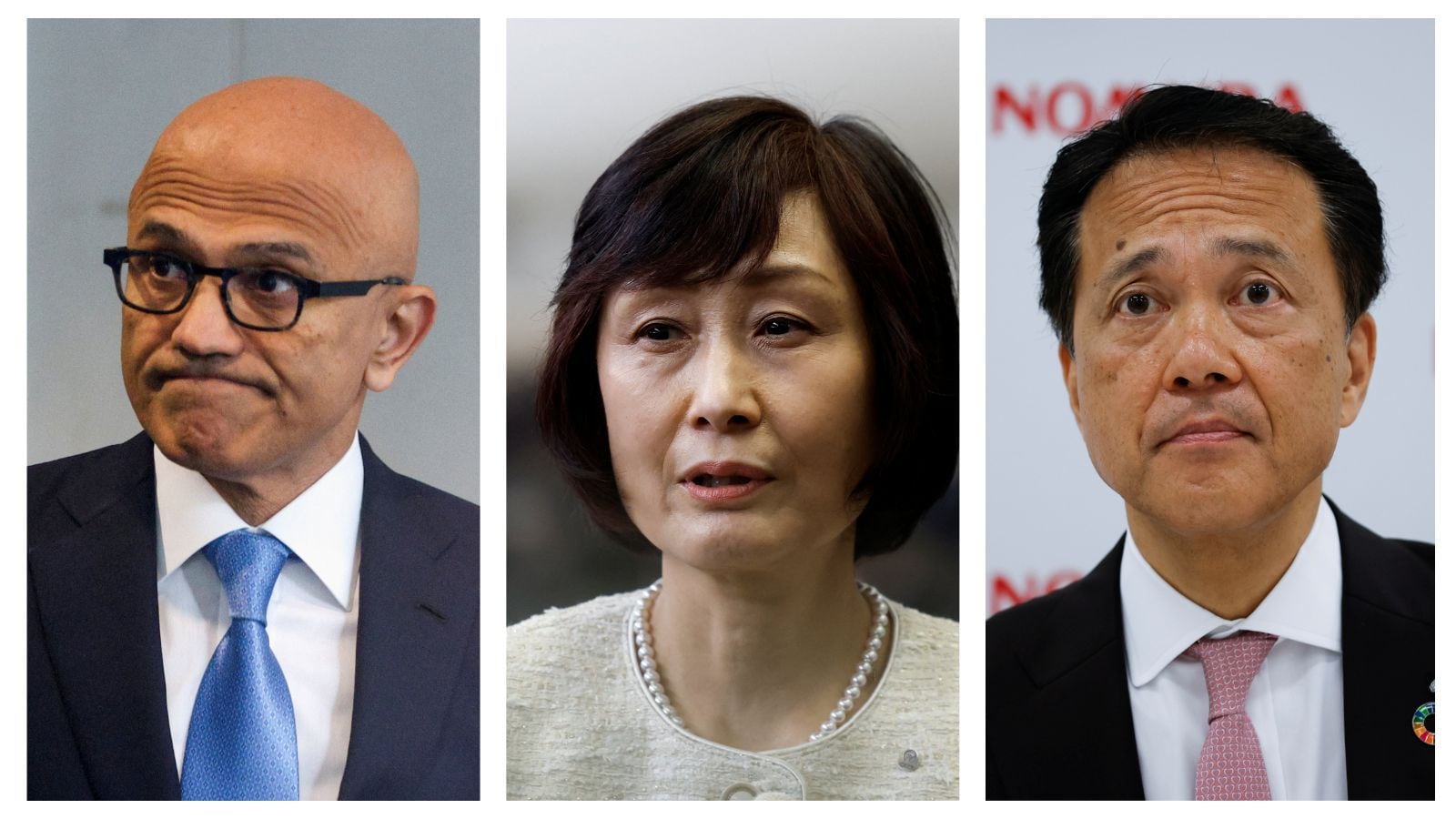
When Microsoft chief Satya Nadella or Japan Airlines head Mitsuko Tottori accept massive pay cuts, they aren't admitting personal guilt. They are signaling that true accountability stops at the very top. If you look past the shocking headlines, you will find a masterclass in crisis management, cultural psychology, and corporate survival.
Let's look at the real stories behind five high-profile CEOs who took massive financial hits for mistakes that weren't theirs, what it reveals about global business culture, and what you can learn from it.
Satya Nadella and the Microsoft Security Overhaul
In late 2024, Microsoft faced intense heat from the U.S. Cyber Safety Review Board. State-linked hackers had breached internal systems, exposing sensitive government emails and laying bare vulnerabilities in the tech giant's cloud infrastructure. Satya Nadella didn't write the faulty code. He didn't click a phishing link. Yet, he walked into the board room and made a highly unusual request.
Nadella asked the board to slash his cash bonus by over 50%.
The board agreed, dropping his cash incentive from $10.66 million down to $5.2 million. He wanted his compensation explicitly tied to the speed and focus of Microsoft's new security initiatives. Now, nobody needs to throw a pity party for Nadella. His total compensation for that fiscal year still topped $79 million due to massive stock rewards driven by Microsoft's soaring market performance.
The lesson here is about systemic ownership. Nadella understood that a company's internal culture reflects what the leadership rewards. By taking a personal hit on his cash bonus, he forced every executive below him to realize that security was no longer a secondary IT issue. It was a direct threat to their wallets.
Mitsuko Tottori and the Weight of Japanese Corporate Honor
Move over to Tokyo, where executive accountability operates on an entirely different level of intensity. In May 2026, a Japan Airlines chief flight attendant violated pre-flight alcohol curfews during an overnight layover in Hiroshima. The attendant failed a breathalyzer test, causing a 42-minute domestic flight delay while the airline scrambled to find a replacement crew member.
For an airline, a flight delay caused by an alcohol infraction is a reputational nightmare. Mitsuko Tottori, who made history in 2024 by rising from flight attendant to CEO, took immediate and severe action.
She docked her own salary by 30% for two months.
The airline chairperson and several flight operations executives took matching pay cuts. Stanford Law School professor Curtis Milhaupt points out that this type of pay docking in Japan functions as public communication. It isn't a legal mandate. It is a ritualized way of telling the public, the regulators, and the customers that the leadership accepts the structural weaknesses that allowed the incident to occur. Tottori didn't pour the drinks, but she carried the shame of the brand.
David Solomon and the Multi Billion Dollar Cleaning Crew
When David Solomon took the reins at Goldman Sachs, he inherited a ticking time bomb known as the 1MDB scandal. Years prior, rogue partners at the Wall Street bank had helped loot billions of dollars from a Malaysian state investment fund. The scheme took place well before Solomon took the top job, but the legal and financial bill came due on his watch.
In 2020, Goldman Sachs agreed to a massive $2.9 billion regulatory settlement.
Even though Solomon wasn't involved in the underlying misconduct, the board decided that the severity of the institutional failure required a collective penalty. They sliced Solomon's compensation by $10 million for that year, bringing his final package down to $17.5 million.
On Wall Street, this move serves as a stark reminder to shareholders that past cultural rot cannot simply be ignored by new leadership. Solomon had to pay a tax on the historical errors of his predecessors to clear the path forward for the bank.
Junichi Hanzawa and the Unlocked Safe Deposit Boxes
In another demonstration of the strict corporate rules in Japan, MUFG Bank CEO Junichi Hanzawa found himself in the crosshairs of public anger after a bizarre theft ring came to light. A series of safe deposit box thefts occurred within the bank's branches, shaking customer confidence to its core.
Hanzawa did not steal the assets. He wasn't managing branch security guards. But the security failure exposed gaps in administrative oversight.
Hanzawa accepted a 30% salary reduction for three months. By absorbing a direct financial penalty, he sent a clear message down the corporate ladder. If branch managers allowed basic security protocols to slip, the consequences would hit the executive suite first.
Kentaro Okuda and the Rogue Employee Fallout
Rounding out the list is Kentaro Okuda, the chief executive of Nomura. The financial group was rocked by a scandal involving alleged crimes committed by a former employee. While the legal system handled the individual perpetrator, the corporate ecosystem demanded executive penance.
Okuda took a 30% pay cut for three months to signal accountability.
In highly regulated financial sectors, individual criminal behavior by staff members is often viewed as a failure of compliance systems. Okuda’s financial penalty was a public acknowledgement that Nomura’s internal vetting and monitoring programs required urgent modernization.
The Cultural Divide between Western and Eastern Business Performance
There is a massive split in how these pay cuts are executed across different global regions. In Western markets like the U.S., CEO pay cuts are almost always tied to variable bonuses or stock incentives. Satya Nadella's base salary remained untouched, but his cash bonus was heavily penalized. It is a transactional approach. If the company hits a bump, the leader's performance pay takes a hit, but the baseline lifestyle remains funded.
In Asian business cultures, particularly in Japan, the pay cut targets the base salary itself. It is deeply symbolic and focused on personal honor. A Japanese CEO taking a 30% cut for a few months isn't trying to rebalance a spreadsheet. They are performing an act of corporate contrition to maintain their moral authority to lead.
Understanding this distinction matters because it changes how employees react. A leader who shares the pain of a mistake builds deep institutional loyalty. A leader who insulates themselves while firing lower-tier workers destroys trust instantly.
How to Build True Accountability in Your Own Team
You do not need to run a trillion-dollar tech empire or a global airline to practice this style of leadership. If you manage a small team, a department, or a startup, you can implement the core philosophy immediately.
- Own the system failures. When a direct report misses a crucial deadline or botches a client presentation, stop blaming their work ethic. Ask yourself what gaps in your onboarding, training, or daily tracking allowed that mistake to happen.
- Absorb the blame publicly. Protect your people when dealing with external stakeholders or upper management. Take the hit for the team's error, then fix the root cause privately behind closed doors.
- Tie your rewards to team health. If your team is burnt out, experiencing high turnover, or struggling with quality control, don't accept performance accolades. Voluntarily adjust your metrics of success to reflect the actual state of your department.
- Communicate with transparency. When things go sideways, don't hide behind corporate jargon. State clearly what went wrong, how you are personally responsible as the leader, and the exact steps you are taking to fix it.
True leadership is defined by what you do when things go wrong. Taking a pay cut or absorbing blame for an error you didn't personally commit isn't a sign of weakness. It is the ultimate display of organizational power.