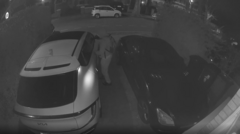
You bought a GPS tracker, hid it under the seat, and figured your car was safe. If someone drives off with it, you will just pull up the app, pinpoint the location, and the police will roll up to arrest the bad guys.
It is a comforting thought. It is also completely wrong.
The reality of modern vehicle theft is a brutal wake-up call for thousands of car owners. Relying on a basic tracker, an Apple AirTag, or even the built-in location software provided by your car manufacturer to save your stolen vehicle is a gamble you are likely to lose. Car tracking tech is not a magic shield. In fact, if you do not understand how professional gangs bypass these systems, your tracker is basically just a digital paperweight.
The Tracker Blockers You Can Buy Online
Professional car thieves do not panic when they see a tracking warning sticker on your window. They expect it.
The moment a high-value vehicle is taken, the first thing a professional crew does is deploy a signal jammer. These portable devices plug directly into a vehicle's 12V socket or run on small lithium batteries. They flood the immediate area with noise on the exact radio frequencies used by GPS and cellular networks.
When a jammer is active, your tracker cannot talk to satellites to find out where it is, and it cannot talk to the cellular network to tell your phone where it is. To your app, the car looks like it is still parked peacefully in your driveway, even as it hits sixty miles per hour on the motorway.
By the time the thieves drive the car into a shipping container or an underground "chop shop"—where metal structures block the signal naturally anyway—the jammer has done its job. The tracker never gets a chance to broadcast its true location.
The Law That Stops Manufacturers From Tracking Your Car
Many drivers assume that because their new Kia, BMW, or Range Rover has an official companion app with a "find my car" feature, they are fully covered. But factory-installed systems face a massive hurdle that third-party systems do not: strict corporate legal boundaries.
Take a look at what happens during an active theft. If you call your car brand's customer helpline and say, "My car is moving down the road right now, please track it," they will almost always refuse.
Vehicle manufacturers face strict regulations regarding privacy and live data transmission. In many jurisdictions, corporate legal teams explicitly prohibit customer service agents from providing live, real-time tracking data directly to a consumer or even to emergency services without a formal, slow-moving police warrant. They are terrified of the liability if a car owner uses that data to confront a criminal gang and gets hurt.
By the time the legal red tape is cleared and the manufacturer releases the data, your car has already been stripped down to the chassis.
Why the Police Won't Rush to Your AirTag Ping
Apple AirTags and Samsung SmartTags have made tracking cheap and accessible. They are great for finding your keys. They are terrible for recovering a stolen vehicle from organized crime syndicates.
Let's say you hid an AirTag in the trunk. The car gets stolen, and you can see it sitting at an address three miles away. You call the police, expecting a swat team. Instead, you get a reference number and a promise that they will look into it when an officer becomes available.
Law enforcement agencies are stretched thin, and a ping on an AirTag does not constitute a definitive search warrant. An AirTag location is imprecise; it relies on the Bluetooth network of passing iPhones. A ping might show your car is somewhere on a specific block, but it cannot tell officers which specific garage, shipping container, or apartment building backyard it is hidden inside. Police cannot legally break down doors based on a vague Bluetooth radius.
Worse yet, AirTags are explicitly designed with anti-stalking features. If a thief has an iPhone, your AirTag will loudly alert them that an unknown tracking device is moving with them within minutes of the theft. They will find it, toss it out the window, and keep driving.
What Actually Works to Protect Your Vehicle
If basic trackers and factory apps fail, how do you actually protect your asset? You have to move away from passive consumer gadgets and use layered, aggressive security.
1. Invest in a Managed, Multi-Frequency Tracker
Forget the £30 Amazon trackers. Look for systems certified by security testing bodies like Thatcham Research (specifically S7 or S5 grade trackers). These systems do not just rely on GPS. They use a combination of VHF (Very High Frequency) signals, GSM, and GPS. VHF signals can cut through jammers and can be tracked even if the vehicle is buried inside a concrete underground parking lot or a steel shipping container.
More importantly, these are tied to a 24/7 manned monitoring center. The moment the system detects a signal jammer or an unauthorized movement without the driver ID fob, the center triggers a recovery protocol immediately, bypassing consumer communication delays.
2. Physical Layering is Still King
Thieves use electronic relay attacks to clone your keyless entry signal from inside your house. If you force them to deal with a heavy, physical steering wheel lock or a pedal box lock, you change the math. Professional thieves want to be gone in sixty seconds. If they see they have to spend five minutes with a noisy angle grinder just to turn the steering wheel, they will usually walk away and find an easier target.
3. Use Faraday Bags Properly
If you have a car with keyless ignition, your keys are constantly broadcasting a signal. Buy a certified Faraday pouch and store your keys inside it the second you walk through your front door. Test it regularly. Put the key in the bag, stand right next to your car door, and see if it opens. If it does, the bag is cheap trash. Replace it.
The Action Plan
Stop relying on the hope that technology will clean up the mess after your car is gone. Take these steps today:
- Go to your car right now and check if your keyless entry signal can be read through your front door. If it can, buy a high-quality Faraday box for your hallway.
- If you rely solely on a manufacturer app, call your dealer and ask them exactly what their policy is if the car is stolen. Ask them if they provide real-time tracking to police instantly, or if they require a subpoena.
- Switch to an aftermarket tracker that uses VHF technology if you drive a vehicle that sits high on the most-stolen lists.
The security of your vehicle relies entirely on making it too time-consuming and annoying for a thief to bother with. If you give them an easy target, no app on your phone is going to bring it back.