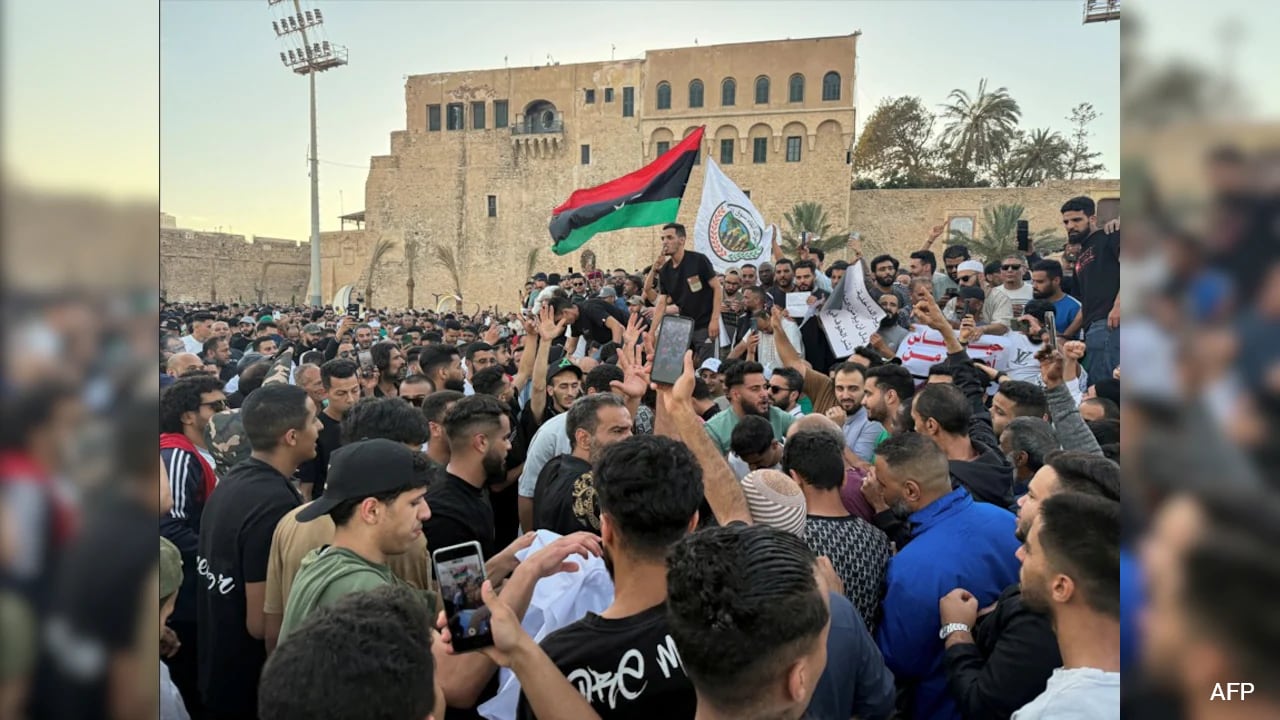
When you think of global diplomatic powerhouses, Islamabad usually isn't the first name that comes to mind. Pakistan has spent years battling intense economic inflation, domestic political polarization, and its own deep security concerns. Yet, right after quietly orchestrating the breakthrough diplomatic roadmap between the United States and Iran in June 2026, Pakistan is now stepping into the middle of another messy conflict. This time, it's taking on the brutal, multi-decade jigsaw puzzle of Libya.
According to recent disclosures, Islamabad has been acting as a back-channel mediator between Libya's deeply divided eastern and western factions. This isn't just a sudden whim. It's a calculated, US-backed strategy supported by regional heavyweights like Saudi Arabia, Qatar, and Turkey. If you've been watching the Middle East and North Africa lately, you know that finding a neutral party that everyone actually talks to is nearly impossible. Surprisingly, Pakistan fits that bill. You might also find this similar coverage insightful: Why Europe Cannot Rely On Washington Anymore.
The real question is why a South Asian nation struggling with its own internal financial balance is suddenly being handed the keys to North African peace talks. The short answer is access. While big regional players like Egypt, Turkey, and the UAE have explicitly taken sides and fueled the Libyan proxy war for years, Islamabad managed to keep its lines open to both factions.
The Quiet Architecture of the Libya Reunification Plan
Let's look at what's actually on the table. This isn't some vague call for a ceasefire. A draft summary of the proposed arrangement, known as the Libya Reunification Plan, reveals a highly structured 36-month transitional power-sharing blueprint. As reported in latest coverage by Al Jazeera, the effects are significant.
The deal aims to bridge the gap between the UN-recognized Government of National Unity in Tripoli and the eastern-based forces controlled by the Libyan National Army. Under this proposed 36-month framework, Abdulhamid Dbeibah, the current Prime Minister of the western-based Government of National Unity, would keep his post as prime minister during the transition. Meanwhile, Saddam Haftar, the deputy commander of the eastern-based Libyan National Army and son of field marshal Khalifa Haftar, would take over the reins of the Presidential Council.
Proposed 36-Month Transitional Framework:
- Western Faction (GNU): Abdulhamid Dbeibah remains Prime Minister
- Eastern Faction (LNA): Saddam Haftar heads the Presidential Council
- Economic Terms: Shared control over oil revenue allocations and national budgets
This configuration isn't accidental. It directly addresses the underlying reality on the ground. The west has the international recognition and the bureaucratic capital, but the east holds the physical territory, the military muscle, and the vast majority of Libya's oil infrastructure. By creating a direct power-sharing link between Dbeibah and the younger Haftar, the plan attempts to tie political legitimacy directly to economic survival.
A source close to the Pakistani establishment noted that Islamabad intends to play an active, ongoing role to guarantee that this fragile structure doesn't collapse under the weight of local rivalries. It's a massive gamble, but the groundwork has been laid over months of quiet military and intelligence diplomacy.
From the US Iran Deal to the Mediterranean Coast
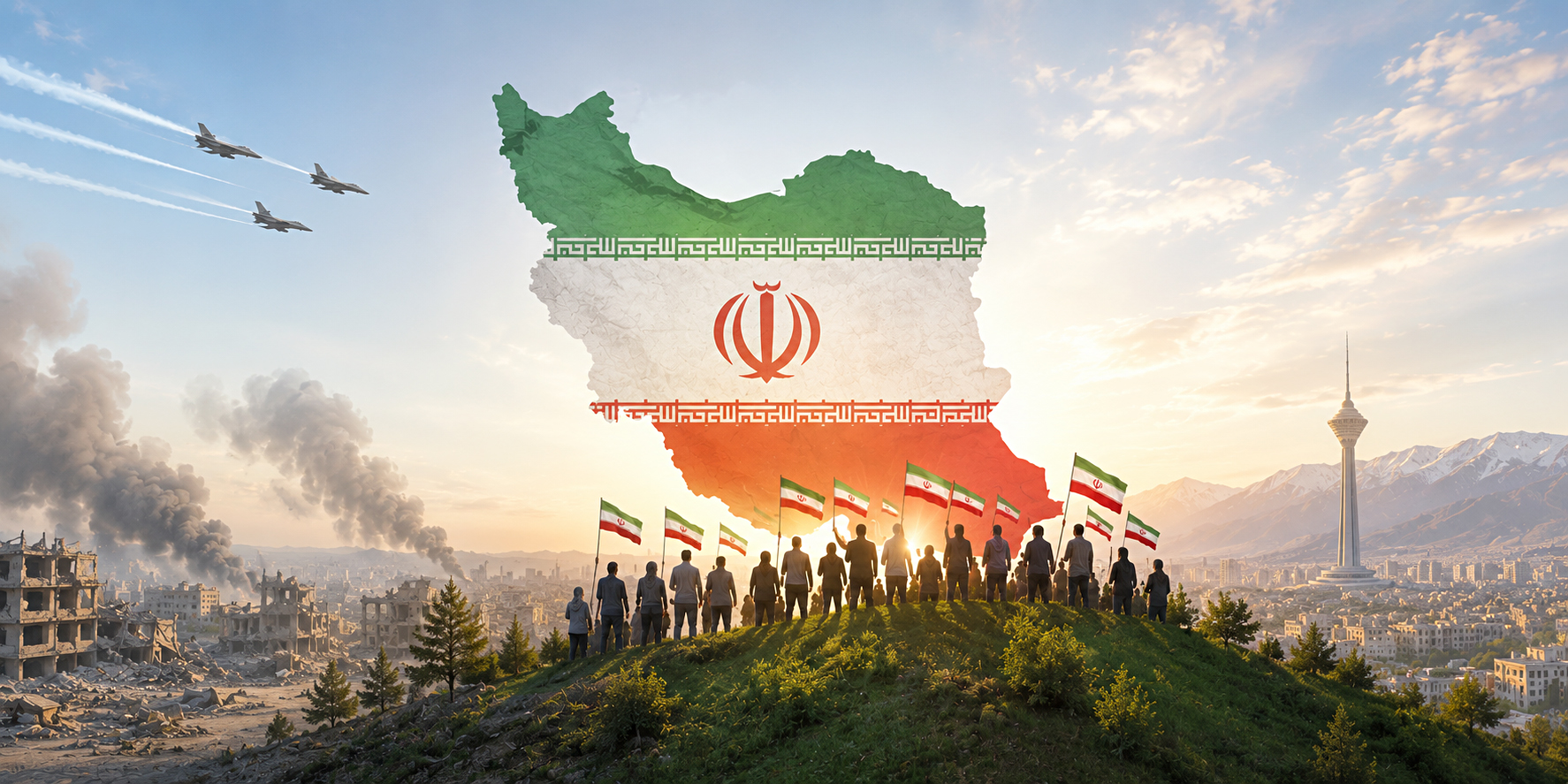
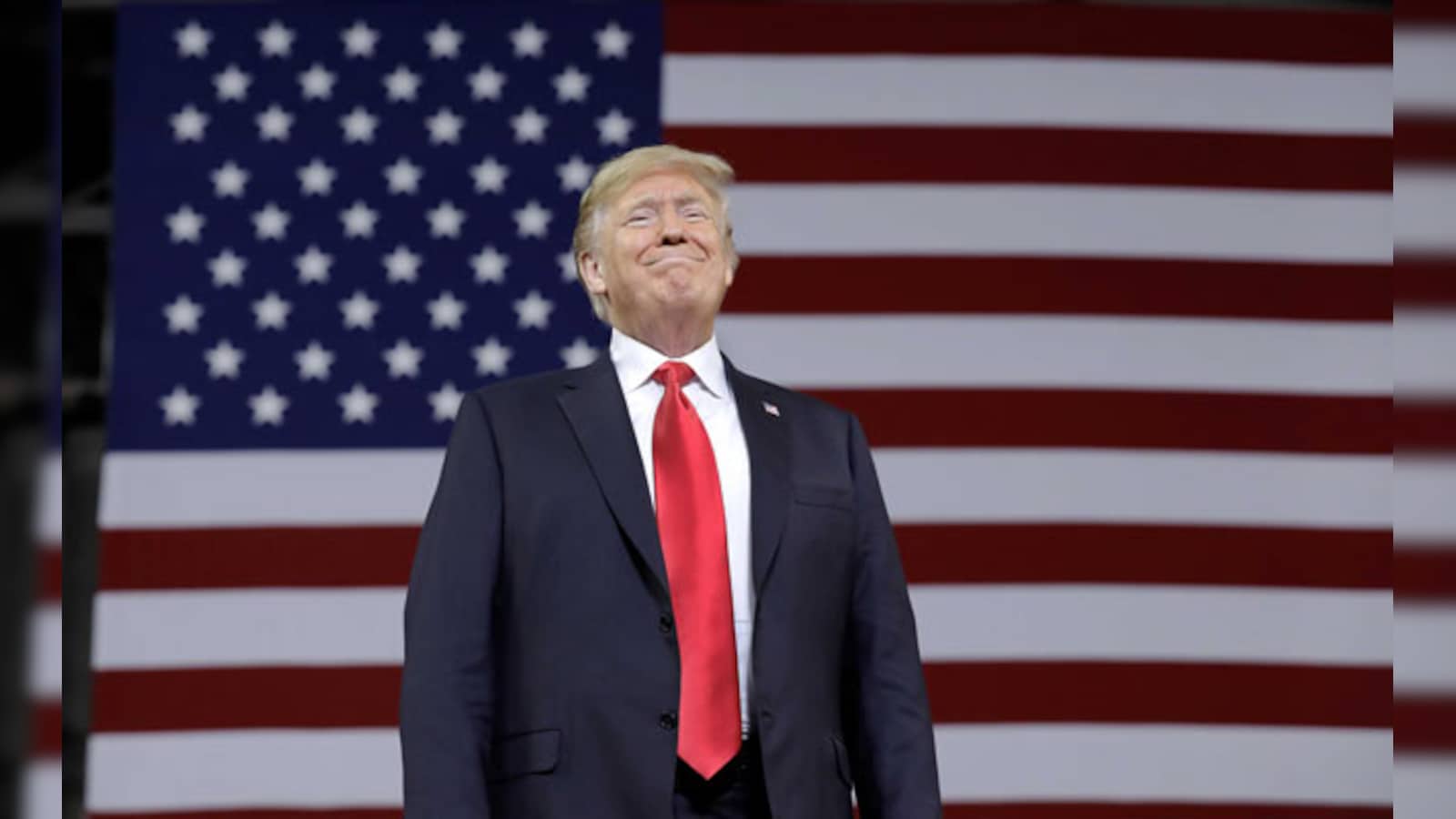
To understand how Pakistan ended up in Benghazi and Tripoli, you have to look at what happened just weeks ago in Switzerland. Under the framework of the Islamabad Memorandum of Understanding signed on June 18, 2026, Pakistani Prime Minister Shehbaz Sharif and his diplomatic team successfully mediated a 60-day roadmap between the Trump administration and Tehran. That surprising success turned heads in Washington.
The White House realized that Pakistan possesses a unique diplomatic asset: a powerful military establishment capable of talking to anti-Western regimes and Western allies at the exact same time. Once the US-Iran framework proved that Islamabad could deliver, the focus quickly shifted toward the deadlocked situation in Libya.
The United States has been trying to push through a political resolution in North Africa for months, but American diplomats are often viewed with deep suspicion by eastern Libyan factions. Enter Pakistan's Chief of Army Staff, Field Marshal Asim Munir. Last month, Saddam Haftar traveled to Rawalpindi for an unpublicized meeting with Munir. Days later, Haftar flew straight to Washington to meet with US Secretary of State Marco Rubio. That sequence of events wasn't a coincidence. It was a carefully synchronized diplomatic handoff.
Navigating the Geopolitical Minefield of Foreign Patrons
Libya has been a playground for foreign intervention since the 2011 NATO-backed overthrow of Muammar Gaddafi. Any country attempting to mediate has to deal with a web of competing external interests.
Turkey and Qatar have poured billions of dollars and military hardware into supporting the western government in Tripoli. On the flip side, Egypt, Russia, and the UAE have historically backed Khalifa Haftar's eastern forces. This fierce polarization is precisely why previous United Nations peace initiatives failed completely. Every mediator was seen as an agent of one foreign faction or another.
Pakistan manages to bypass some of this baggage because it has distinct relationships with almost every single one of these actors. Last year, Islamabad signed a significant mutual defense pact with Saudi Arabia. The Saudis want to check Turkish and Qatari influence in North Africa, yet they also support the idea of a stable, unified Libyan state that can pump oil reliably. Concurrently, Turkey and Qatar actively encouraged Pakistan to step into the mediator role because they view Islamabad as a friendly Sunni-majority power that won't actively subvert their core security interests in western Libya.
Then there's the defense aspect, which is where things get genuinely complicated. Pakistan has been quietly negotiating major defense supply contracts with the eastern-based Libyan National Army for over two years. Rumors from late last year indicated potential deals involving Pakistani-made JF-17 Thunder fighter jets and Super Mushshak trainer aircraft, worth billions. While some international observers worry that these deals dance dangerously close to violating the 2011 UN arms embargo, they gave Islamabad immense leverage with the Haftar family. When the western-based Government of National Unity realized Pakistan had that kind of access in the east, Tripoli reached out to Islamabad to start direct talks.
Why This Attempt Might Succeed Where Others Failed
Most people tracking North African politics are understandably cynical about peace plans. We've seen dozens of conferences in Rome, Paris, and Geneva produce nothing but empty communiqués. What makes this Pakistani-led push different is that it's driven by structural necessity rather than purely Western democratic ideals.
Previous UN efforts insisted on holding immediate national elections as the primary step to unification. That was a fundamental mistake. In a country fractured by heavily armed tribal militias and deep regional paranoia, holding an election is like throwing a match into a powder keg. Whichever side loses simply refuses to accept the results, and the fighting starts all over again.
The Pakistan-mediated approach turns that model upside down. It focuses entirely on elite-level power-sharing and economic division first. It acknowledges that you can't ignore the Haftar family's military control over the oil fields, nor can you strip the Tripoli administration of its central banking access. By locking both factions into a 36-month transition with clearly defined roles and shared control over oil revenues, it creates a temporary status quo that both sides can live with. It gives everyone a financial reason to keep the guns quiet.
The Risks and What Comes Next
Don't mistake this for a guaranteed success. The risks involved are astronomical. The details of the budget allocation and the integration of rival military forces are still being debated fiercely behind closed doors. A single misstep, an unexpected skirmish over an oil terminal, or a sudden change of heart by foreign sponsors could torpedo the entire framework instantly.
Furthermore, critics argue that by elevating Saddam Haftar to the head of the Presidential Council, this plan formalizes a military dictatorship in eastern Libya and sets up a dynastic succession for the Haftar family. For many Libyans who fought in the 2011 revolution to end decades of one-man rule, that's an incredibly bitter pill to swallow.
If you are tracking international relations or energy markets, the next steps are highly practical. Watch the physical movements of Libyan officials over the coming weeks. Look for whether Abdulhamid Dbeibah and Saddam Haftar hold a public, face-to-face meeting, likely hosted in Islamabad or a neutral Gulf capital like Riyadh. Keep a close eye on Libya's daily oil production figures, currently hovering around 1.2 million barrels per day. Any sudden stabilization or formalized agreement on revenue sharing between the central bank in Tripoli and the eastern oil fields will be the first definitive sign that Pakistan's quiet diplomacy is actually sticking. If the revenue starts flowing smoothly through this new joint framework, the Mediterranean might just see its most significant geopolitical reset in a decade.
For a deeper dive into the specific military relationships forming behind these diplomatic maneuvers, you can watch how the Pakistani Armed Forces are reshaping their strategic footprint abroad to better understand the leverage Islamabad holds in these talks.