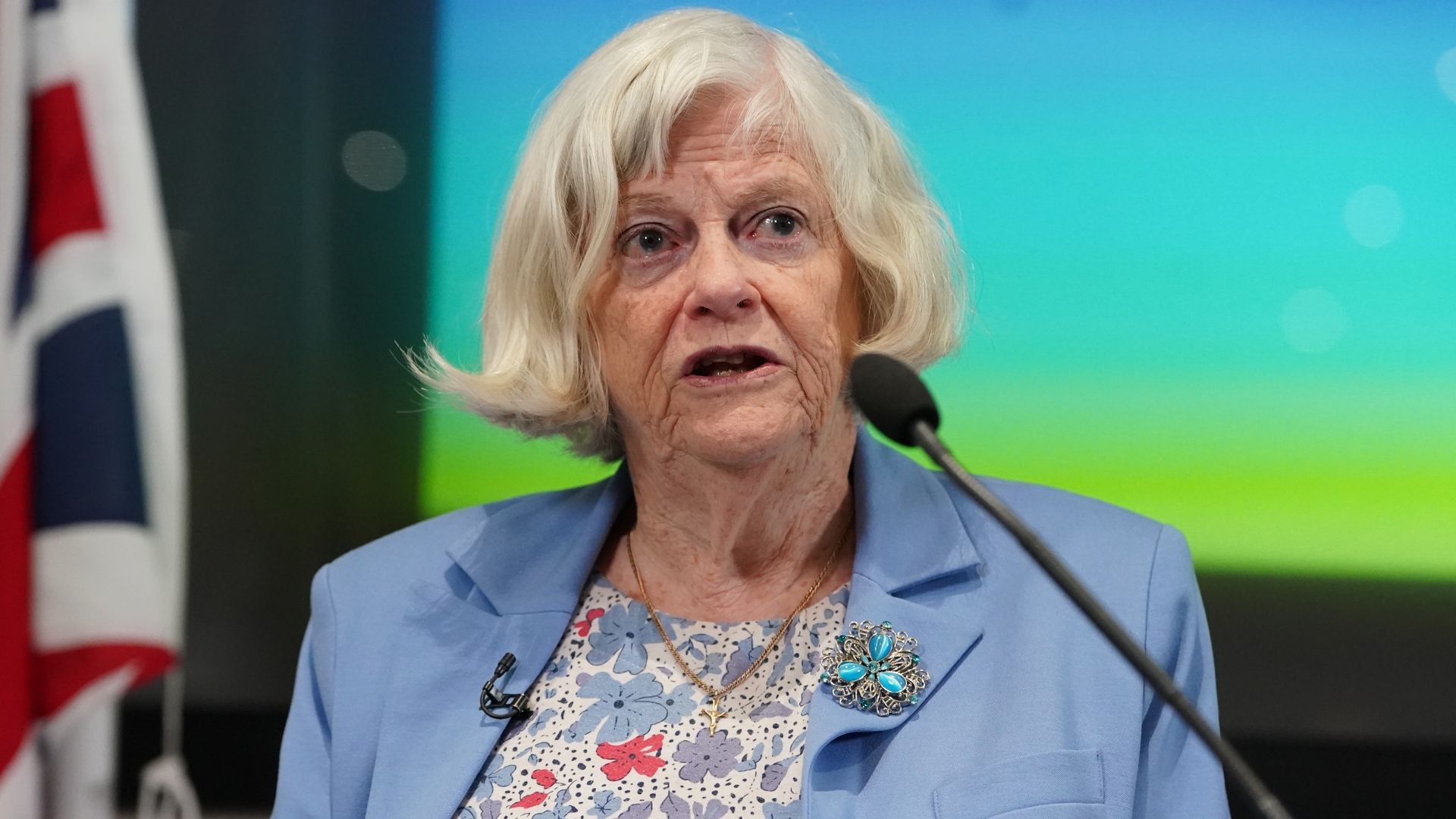
You can say whatever you want online until the police knock on your door. That is the reality crashing down on a University of Aberdeen employee who decided to share exactly how she felt about the tragic passing of former MP Ann Widdecombe.
Heather Herbert, a 50-year-old web developer at the university, found out the hard way that the boundary between an edgy social media post and a criminal charge is razor-thin. After news broke that Widdecombe had been found dead at her home in Devon, Herbert took to the social media platform Bluesky. She posted that it was "some good news for once" and openly wished for Widdecombe to have suffered an "extremely painful death" while being "handcuffed to the bed". Learn more on a related issue: this related article.
Here is where the situation gets incredibly dark. When Herbert made those posts, the public only knew that the 78-year-old former politician had died. Hours later, the case blew up. Police announced Widdecombe's death was a suspected murder, and counter-terrorism officers quickly took over the lead investigation, treating it as a targeted attack.
Suddenly, a callous online rant transformed into a massive liability. Further analysis by USA Today highlights comparable views on the subject.
The Police U-Turn and the Free Speech Illusion
What makes this case highly unusual is how the authorities handled it.
When reports about Herbert's Bluesky posts first rolled in, Police Scotland initially stated there was no apparent criminality. They looked at it, saw standard internet vitriol, and moved on.
Then came the sudden pivot. Within days, the force reversed its assessment. A police spokesperson confirmed that after a "further assessment," the 50-year-old worker was officially arrested and charged.
Why the sudden change of heart?
It likely comes down to context and public pressure. The UK has strict laws regarding online communications, specifically targeted at messages that are deemed grossly offensive, indecent, or menacing. When a high-profile political figure is killed in what counter-terrorism police call a "brutal" and "targeted" incident, the legal tolerance for celebrating that death drops to absolute zero.
The case is now heading to the procurator fiscal, Scotland's public prosecution service. The university itself has launched an internal investigation and distanced itself entirely, stating that the comments do not reflect the institution's values.
The Line Between bad Taste and Criminal Liability
Let's be completely honest about how people behave online. The internet is flooded with terrible takes. People celebrate the deaths of political adversaries every single day on platforms like X, Reddit, and Bluesky.
But there is a major lesson here for anyone using social media.
If you think your digital anonymity or a small follower count protects you, you're wrong. Herbert is a former political candidate who ran for the Scottish Parliament under the Labour banner in 2021 and later for the Scottish Greens. She had a public profile.
When you cross from merely criticizing a politician's voting record to graphic descriptions of hoping they screamed in agony during an active murder investigation, you hand the state the exact leverage it needs to prosecute you under malicious communications laws.
Even veteran political activists know where the line is. Campaigner Peter Tatchell faced severe backlash for immediately posting a scathing critique of Widdecombe's record on LGBTQIA+ rights right after her death was announced. But Tatchell quickly read the room, pulled the post down, and apologized, noting that "nobody deserves to die, no matter what they believe in". Herbert, conversely, doubled down on the graphic nature of her remarks before the police stepped in.
What You Need to Do Next to Protect Yourself Online
If you manage corporate accounts, work for a public institution, or just have a habit of posting your raw thoughts online, this case changes the stakes. You need to adjust how you operate.
- Audit your bio immediately: If your employer's name is anywhere near your social media profiles, you are a target. Disclaimers like "views are my own" offer zero legal or professional protection when a controversy hits.
- Understand the local laws: In the UK, the threshold for "grossly offensive" speech online is much lower than the First Amendment standards in the United States. If a major breaking news event involves violence, do not comment on the victim.
- Pause before you post on breaking news: When a major public figure dies, the full story is rarely clear in the first 24 hours. A standard political disagreement can instantly turn into a criminal matter if the event is reclassified as a violent crime or a terrorist act.