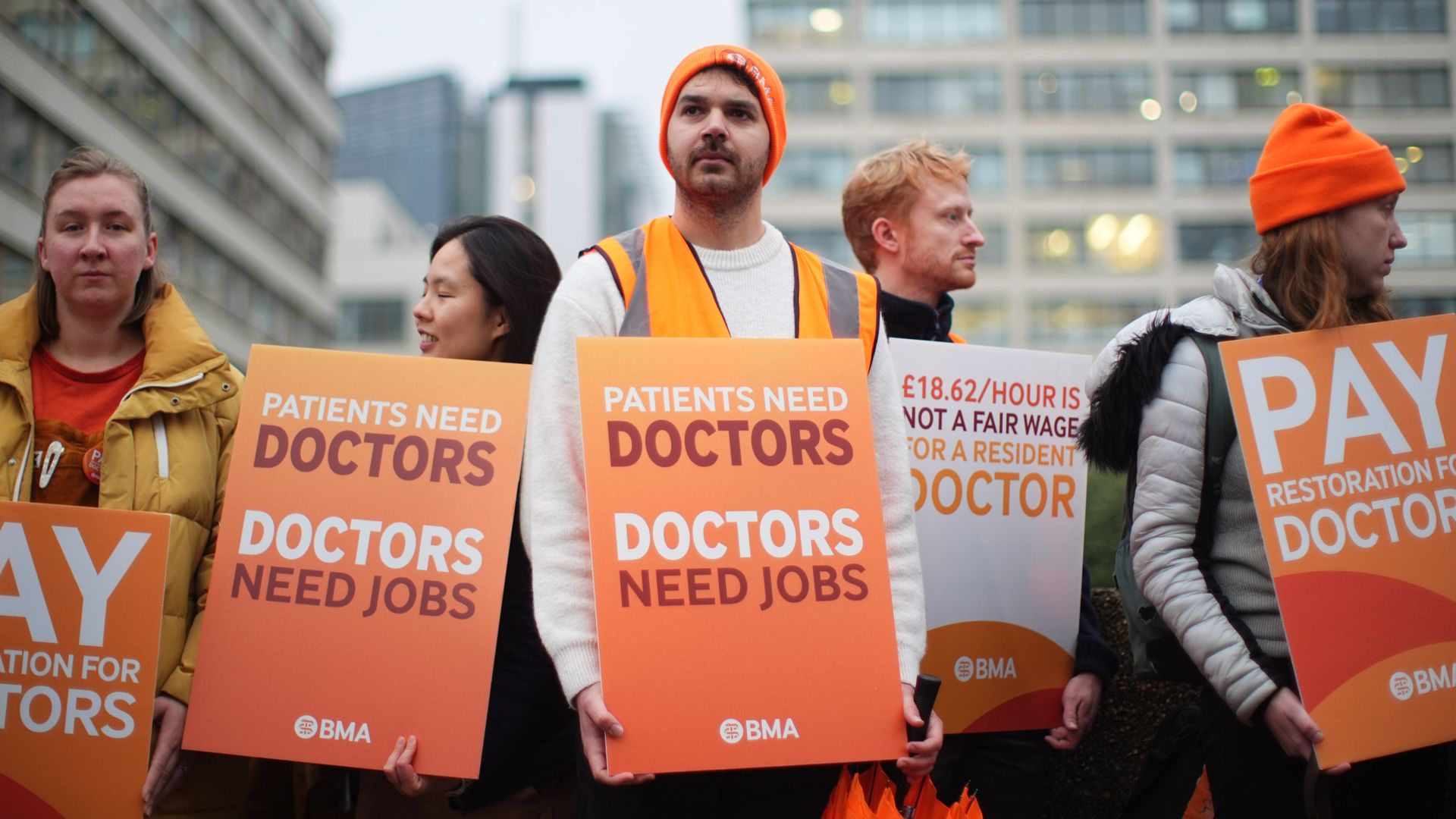
The picket lines are coming down, but nobody should be popping champagne just yet. After three grueling years, sixteen rounds of industrial action, and billions of pounds drained from an already gasping healthcare system, resident doctors in England have finally accepted a government pay deal.
The British Medical Association (BMA) confirmed that 53% of voting members chose to back the latest offer, officially ending the longest-running dispute in NHS history. It is a massive relief for patients facing historic backlogs, and a clear political win for Health Secretary James Murray. Every single day of these strikes cost the NHS roughly £50 million. Settling this wasn't just a political necessity; it was a financial emergency.
But look closer at the numbers. A 53% approval on a 57% turnout means just under 33,000 doctors voted, and the margin of victory was razor-thin. This wasn't a ringing endorsement of the government's generosity. It was a pragmatic, exhausted truce.
What Medics Actually Got in the New Deal
Let's clear up the messy math floating around. The headline figure sounds enormous: the Department of Health and Social Care (DHSC) claims resident doctor pay will now be 35.2% higher on average than it was four years ago. That includes previous staggered uplifts, like the 22% injection pushed through by former Health Secretary Wes Streeting back in July 2024.
The specific, freshly minted package that stopped the June walkout consists of a few critical components.
- The Pay Uplift: An average 6.6% pay rise to be fully rolled out by April 2027. For this financial year, it means an average 4.9% boost backdated to April 2026, scaling up to 7.1% for the lowest-paid entry-level doctors.
- Fixing the Training Bottleneck: The government will create 4,500 extra specialty training places over the next three years. This hits a massive pain point for doctors who finish foundation training only to find themselves stranded without a clear path to becoming registrars or consultants.
- Contract Standardization: All locally employed medics will transition to standard 2016 resident doctor contract terms, offering better protections and more frequent wage increases as they gain specific skills.
- Hidden Fee Relief: The government will now reimburse mandatory Royal College portfolio fees and exam costs. These out-of-pocket expenses frequently strip thousands of pounds directly from a trainee's pocket.
The Road to Pay Restoration is Far From Over
The BMA's original battle cry was a 26% immediate pay hike to achieve full "pay restoration" to 2008 levels, correcting for nearly two decades of below-inflation salary adjustments. They didn't get that. Even with this new deal, resident doctors remain nearly a fifth behind what their counterparts earned in 2008 in real terms.
Dr. Jack Fletcher, chair of the BMA's resident doctors committee, made the union's stance biting soul-crushingly clear upon announcing the results. He explicitly stated that the union is putting the independent pay review process "on notice." If future independent reviews fail to deliver continuous, real-terms improvements, doctors will head right back to the ballot box.
The underlying frustration hasn't vanished. Doctors accepted this deal because they are tired, because the training bottleneck was partially eased, and because the reimbursement of professional exam fees offers instant financial breathing room. They didn't accept it because they suddenly feel entirely valued by the state.
The Broader NHS Ripple Effect
While James Murray can celebrate moving past this 14-month deadlock in just five weeks on the job, his team is staring down a long line of other healthcare workers holding their own demands.
The NHS Staff Council already has a mandate to negotiate changes to the Agenda for Change pay structure. Nurses, midwives, and paramedics are watching this doctor settlement with intense scrutiny. They want to know why a cash-strapped government suddenly found money for medics while telling other frontline staff to tighten their belts. If the government thinks the end of the resident doctor strike means industrial peace across the NHS, they are miscalculating the room.
Next Steps for Patients and the Healthcare System
If you have a delayed procedure or are caught in the waiting list backlog, here is what this news actually means for you right now.
Monitor Your Referral Status
Hospital trusts are immediately restructuring their summer schedules now that the threat of a four-day walkout is gone. Do not wait for them to call you. Contact your consultant's secretary or check your NHS App to see if your postponed appointment can be brought forward.
Watch the August Rotation
The injection of 4,500 specialty training places won't appear overnight; they roll out over three years. Expect the first minor shift in staff allocation during the traditional August rotation, which should slightly ease localized understaffing in high-pressure specialties like emergency medicine and general surgery.
Prepare for the Next Battleground
Keep a close eye on the upcoming late-summer pay review body announcements for nursing and ambulance staff. True stability in the NHS requires a systemic fix, not just buying time with one single union.