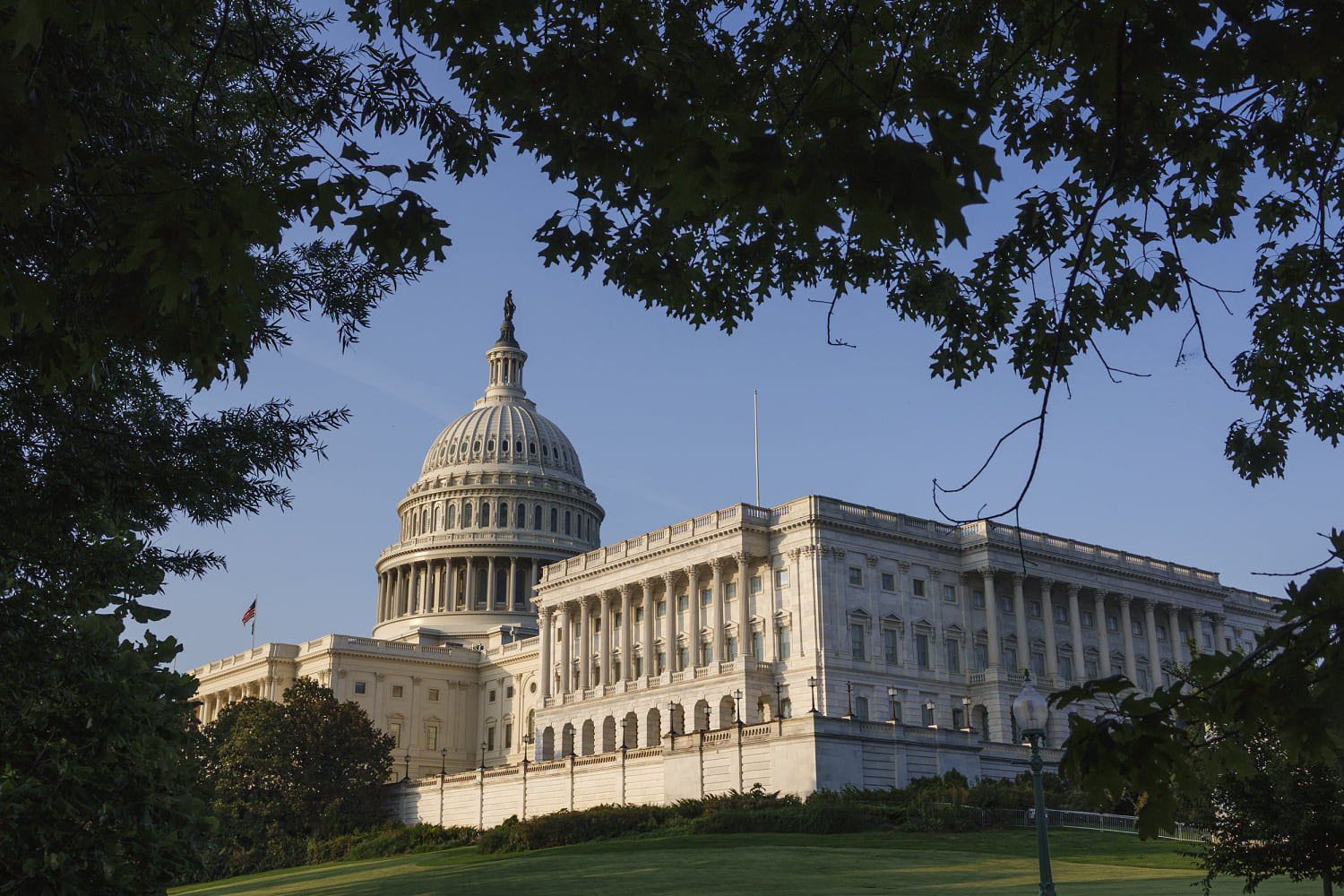
Washington just passed a massive bill that claims to protect children from the internet, but it might already be dead on arrival.
On Monday, June 29, 2026, the House of Representatives voted 267-117 to clear the Kids Internet and Digital Safety Act, better known as the KIDS Act. This sprawling legislative package bundles together more than a dozen separate bills aimed at social media, gaming platforms, data brokers, and artificial intelligence. On paper, it looks like a rare moment of bipartisan agreement. Underneath the surface, it is a declaration of war against the Senate version of the legislation. Discover more on a related topic: this related article.
If you think this means your kids are suddenly safe online, you are misreading the room. The House just handed tech companies a massive victory while pretending to crack down on them. By stripping out the most controversial and powerful parts of the original Senate bill, lawmakers have set up a high-stakes standoff that could derail the entire effort before the summer recess.
The Core Defect in the House Kids Online Safety Package
The fundamental problem with the new House kids online safety package is what it leaves out. For years, the fight over internet regulation has centered on a legal concept called the duty of care. The Senate version of the Kids Online Safety Act, which passed with an overwhelming 91-3 majority back in 2024, made this duty the foundation of its entire framework. Additional journalism by Al Jazeera explores similar perspectives on the subject.
A duty of care legally requires tech platforms to design their products in a way that actively prevents harms like depression, eating disorders, and suicidal behavior. It forces companies to stop engineering addictive algorithms that keep teenagers scrolling at three in the morning.
The House completely removed it.
Instead of a binding duty of care, the House bill only requires companies to enforce reasonable policies to address a narrow list of explicit dangers. The new text mentions physical violence, sexual exploitation, drug trafficking, and financial fraud. It completely skips the mental health issues that drove parents to lobby Congress in the first place.
Senator Richard Blumenthal did not mince words about the change. He called the House bill a toothless capitulation and a blank check for tech executives to keep exploiting children. Without a strict duty of care, the legislation becomes an exercise in compliance rather than a real structural change to how the internet works.
Shifting the Burden to Parents
By watering down the design requirements, the House package shifts the responsibility right back onto families. Tech platforms will be required to provide stricter default privacy settings and parental controls, but the burden remains on parents to monitor everything.
Many critics argue that this approach ignores reality. Most parents cannot keep up with every new app or account setting. If a platform is engineered to be addictive, giving parents a dashboard to watch the addiction happen is not a real solution.
What is Actually Packaged Inside the House Bill
The KIDS Act is an omnibus bill, meaning leadership threw a bunch of different ideas into a single blender to get the votes they needed. While the media focuses on social media algorithms, the package actually stretches deep into other corners of technology. Understanding the whole package requires looking at the individual pieces that made the cut.
The New COPPA Rules for Teenagers
The package incorporates an updated version of the Children and Teens Online Privacy Protection Act. This updates the original 1998 law by raising the definition of a child from 13 to 14. It also introduces a protected category for teenagers aged 14 to 18.
Under these rules, companies cannot collect, use, or share a teenager's personal data for targeted advertising without explicit consent. It also expands the definition of personal information to include biometric data, genetic data, and IP addresses.
Rules for Gaming and Chatbots
Two lesser-known pieces of the package target specific tech niches. The first is a measure aimed at online multiplayer video games that allow text or voice communication. It requires platforms to turn off communication features by default for users under 17 unless a parent actively enables them.
The second is a rule targeting artificial intelligence. Under the new guidelines, AI chatbots must explicitly disclose to users that they are talking to a machine rather than a human. This stems from growing anxiety over conversational AI forming deep psychological bonds with vulnerable teenagers.
Age Verification and the Battle Over Adult Content
The package also includes provisions from the SCREEN Act, which mandates age verification for websites hosting adult content. This is where the legislation runs into a massive constitutional wall.
Free speech advocates and digital rights organizations are already preparing lawsuits. The First Amendment protects anonymous speech online, and forcing users to upload government identification to access parts of the web has been repeatedly struck down by federal courts. Even if the bill passes the Senate, this specific provision faces an incredibly hostile reception in the judiciary.
Why the Senate is Ready to Kill the House Bill
The path forward for this legislation is incredibly narrow. The Senate has zero interest in passing the House version, and the House has shown little appetite for the Senate version.
Senator Maria Cantwell made it clear that she will not let weak legislation pass just so lawmakers can claim they did something. The Senate leadership views the House bill as an industry-friendly escape hatch bankrolled by tech lobbying operations.
There is also a massive dispute over preemption. The House bill includes language that would stop states from passing their own, more stringent child safety laws. This would effectively wipe out ongoing state-level lawsuits against major tech platforms. Senators want states to retain the right to crack down harder if the federal government falls short.
Time is running out. Congress is rapidly approaching its summer break, and election-year politics will soon freeze any complex legislative maneuvers.
Next Steps for Protecting Your Family Right Now
You cannot wait for Washington to settle its internal turf wars. If you want to secure your family's digital footprint today, you have to take immediate action with the tools available right now.
First, audit the accounts your children use. Do not rely on the apps to set safety defaults. Manually open every privacy menu on platforms like Instagram, TikTok, and YouTube. Turn off personalized recommendations and autoplay features yourself.
Second, utilize hardware-level restrictions. Instead of managing fifteen different app dashboards, use router-level controls or operating system settings like Apple Screen Time or Google Family Link. These allow you to cut off internet access at specific times and block specific categories of content entirely.
Third, talk about data tracking. Explain to your teenagers why apps want their location and browsing history. Teach them to deny tracking permissions whenever an app requests them. Real safety online comes from digital literacy, not from a compromise bill stuck in a congressional committee.