The ink was barely dry on the new trilateral framework agreement signed in Washington before the explosions started again. On Saturday, June 27, 2026, the Israeli military launched an airstrike targeting what it called suspected terrorists in the Nabatieh area of southern Lebanon. It was a blunt reminder of a harsh reality. Paper promises signed in diplomatic backrooms rarely survive contact with the highly volatile reality of the Lebanese border.
If you're looking at the headlines thinking this new deal means peace in our time, you're missing the entire picture. This framework, brokered by US Secretary of State Marco Rubio and signed by representatives from Israel, Lebanon, and the United States, is being marketed as the beginning of the end of decades of war.
It isn't. Not yet, anyway. Honestly, it might actually make things worse before they get better. While Lebanese Ambassador Nada Hamadeh and Israeli Ambassador Yechiel Leiter sat down in Washington to sign a document declaring their intent to formally conclude any state of war, the real power brokers in Lebanon were burning tires in the streets of Beirut.
The Fatal Flaw in the Washington Framework
The fundamental issue with this new deal is simple. The people who signed it aren't the ones holding the rockets.
Hezbollah was completely left out of the formal text, yet they dictate the security environment of Lebanon. The group's leader, Naim Qassem, immediately pilloried the agreement as null and void. He called it a humiliation and a complete surrender of Lebanese sovereignty.
To understand why this deal is so fragile, you have to look at what Israeli Prime Minister Benjamin Netanyahu demanded right after the signing. In a pre-recorded video, Netanyahu made it clear that Israeli forces are not packing up and leaving.
- No Withdrawal Without Disarmament: Israel intends to remain in its self-declared security zone in southern Lebanon until Hezbollah is completely disarmed.
- No Civilian Return: Displaced Lebanese civilians are barred from returning to their homes within this security zone. Israel wants a buffer free of anti-tank fire.
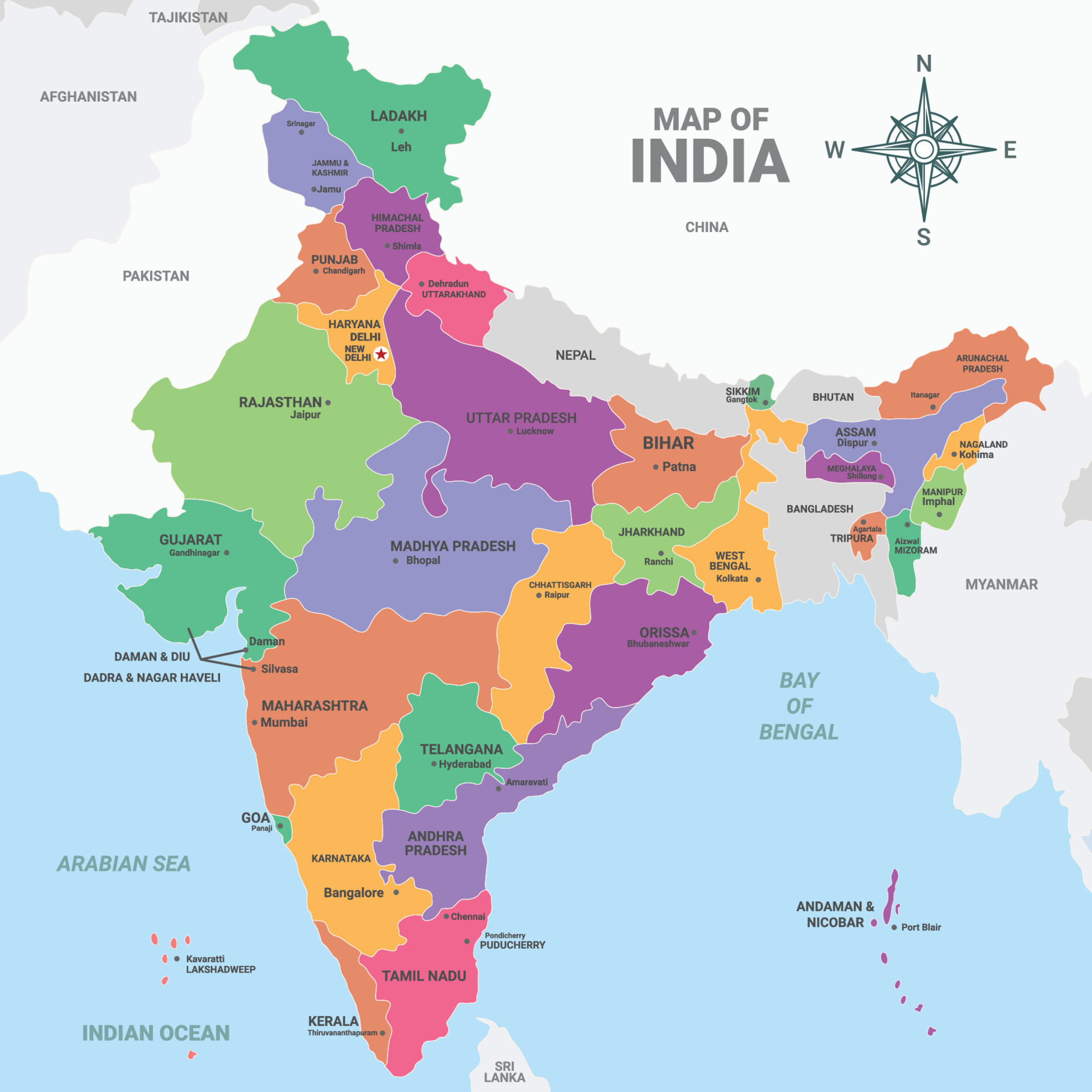
- The Pilot Zones: The military will allow the Lebanese Armed Forces (LAF) to take control of just two trial areas—one south of the Litani River and one north of it.
Think about that from a Lebanese perspective. Your government just signed a deal with the US and Israel, but your citizens can't go home, foreign troops are still occupying your south, and the strongest military force in your country has just declared the deal a treasonous act. It's an impossible sell.
Burning Tires and Threats of Civil War
The backlash inside Lebanon was instantaneous. In the southern suburbs of Beirut, angry crowds blocked the old airport road with burning tires. Protesters carried banners of the slain former leader Hassan Nasrallah, chanting against what they see as a puppet government in Beirut.
The political fallout is even more dangerous than the street protests. Mohammad Raad, the head of Hezbollah's Loyalty to the Resistance Bloc in parliament, didn't hold back. He openly warned that the agreement is an incitement to civil war.
Raad argued that by facilitating this deal, the United States violated its explicit commitments to Iran. According to Hezbollah, Washington was supposed to pressure Israel into a full withdrawal, not codify an ongoing Israeli military presence on Lebanese soil. The group's Lawyers' Association even filed claims that the deal violates the Lebanese constitution, which views Zionism as an inherent threat to human dignity.
On the other side of Lebanon's deep sectarian divide, Christian politicians like Samy Gemayel rushed to congratulate the state on the achievement. Gemayel praised the deal on social media, saying it establishes a path toward permanent peace. This structural split is exactly what raises the specter of internal conflict. When one half of a country views a peace treaty as a historic victory and the other half views it as an act of treason worthy of an armed uprising, you don't have peace. You have a tinderbox.
What the Airstrikes Tell Us About the Future
When the Israeli military spokeswoman confirmed the Saturday strike in Nabatieh, she noted that the military targeted operatives who posed a threat to IDF soldiers. This exposes the escape hatch built into the framework agreement.
Under the terms of the deal, Israel explicitly states that its military actions are solely a consequence of the threats posed by non-state armed groups like Hezbollah. It explicitly claims it has no territorial ambitions in Lebanon. However, as long as those threats exist—and Hezbollah has no intention of disarming voluntarily—Israel retains the right to strike.
This creates a terrible paradox for the Lebanese government. For the security zone to disappear and for Israeli troops to leave, the Lebanese army has to disarm Hezbollah. But the Lebanese army is heavily outgunned by Hezbollah and lacks the domestic political mandate to start a fight that would tear the country apart.
The Immediate Reality on the Ground
If you're tracking this situation, don't look at the diplomatic statements coming out of Washington. Watch these three indicators instead.
- The Success of the Pilot Zones: Watch how the Lebanese army behaves in those two small trial areas near the Litani River. If they can't keep Hezbollah fighters out of those zones, Israel will shut the experiment down immediately.
- The Border Skirmishes: The Nabatieh strike shows that the ceasefire is highly conditional. If Hezbollah retaliates for these ongoing targeted strikes, the entire framework will dissolve before the June 30 targets for a permanent deal are even reached.
- The Internal Political Pressure: Watch the Lebanese parliament. If Hezbollah and its allies successfully paralyze the government over this signing, the state won't be able to fulfill any of its security obligations under the text.
The diplomatic framework tries to establish a clean, orderly transition to state sovereignty. The reality on the ground is messy, bloody, and dictated by factions that refuse to be house-trained by international treaties. The Washington signing wasn't the end of the conflict. It was just the start of a highly dangerous new phase.