You have probably seen the headlines about Israel and Lebanon signing a historic framework agreement in Washington. US Secretary of State Marco Rubio stood between the two ambassadors at the State Department on June 26, 2026, calling it a vital first step. On paper, it sounds like a monumental breakthrough to end months of devastating conflict. But if you look beneath the diplomatic handshakes, the reality on the ground tells a much more complicated story.
The fundamental issue is simple. The Lebanese government signed the document, but the group actually doing the fighting, Hezbollah, was completely left out of the room.
The Washington Agreement vs Reality in Southern Lebanon
This newly signed trilateral framework agreement, mediated by the Trump administration, sets up a roadmap intended to turn a fragile temporary truce into lasting security. Lebanese Ambassador Nada Hamadeh and Israeli Ambassador Yechiel Leiter inked the deal after extended talks. It builds directly on the initial ceasefire outlines from April and subsequent June negotiation rounds.
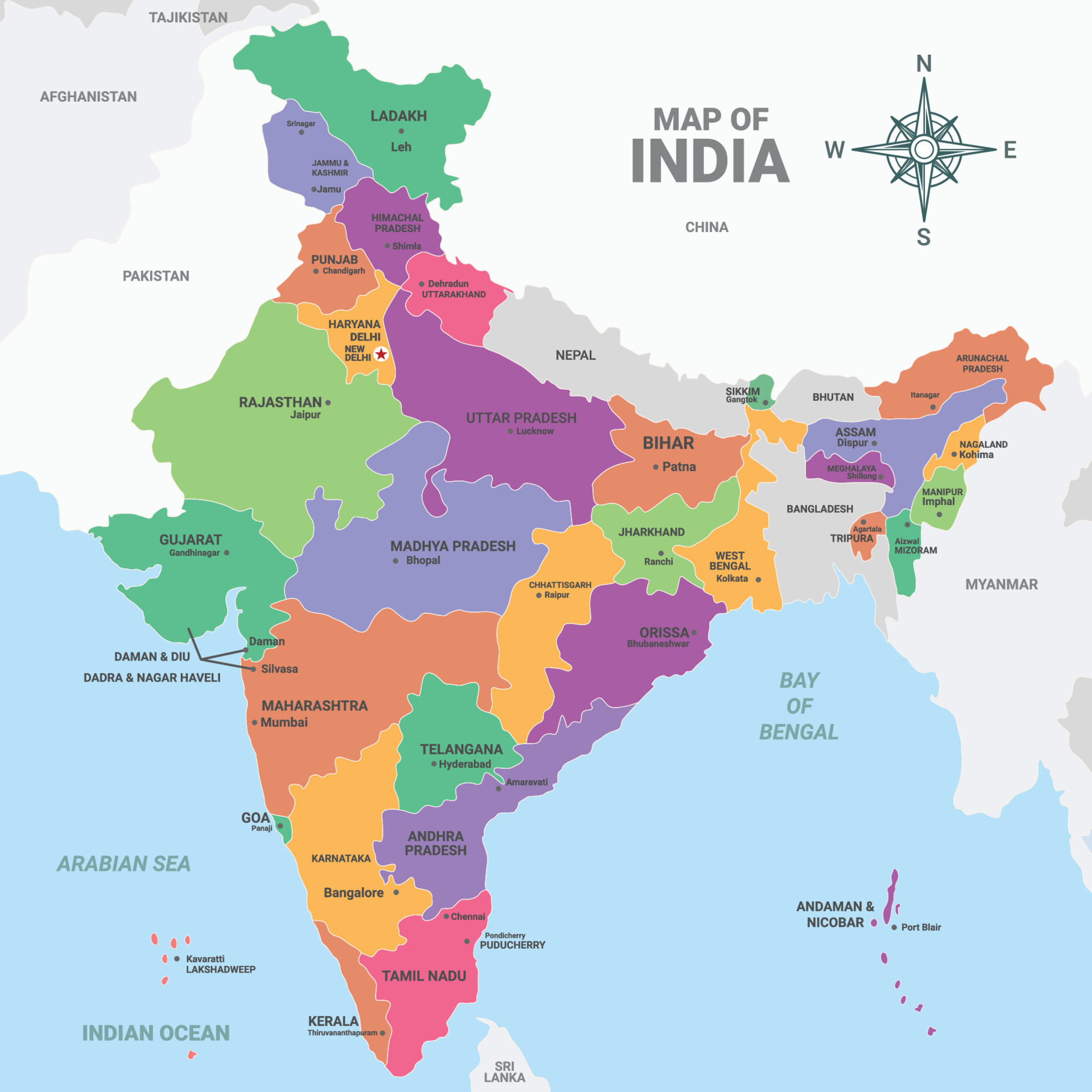
The agreement establishes a "move versus move" mechanism. Under this plan, the Israeli military will pull back from specific "pilot zones" it currently occupies in southern Lebanon. The Lebanese Armed Forces are supposed to move in, take full control, and ensure these areas are free from any weapons not belonging to the state.
It sounds great in a Washington press room. Israeli Ambassador Leiter even proclaimed that "Iran is out, Hezbollah is out, and the road to peace between Israel and Lebanon is in." But anyone who understands the region knows you can't just wish Hezbollah out of existence by signing a paper they didn't agree to.
The Giant Hezbollah Shaped Hole in the Treaty
Let's look at what the deal actually requires and why it's incredibly difficult to enforce.
- The Yellow Line Buffer: Israel will keep its military security zone inside Lebanon along the designated Yellow Line until Hezbollah is completely disarmed.
- The Sovereign Dilemma: The agreement explicitly labels Hezbollah an enemy of the Lebanese state. It demands that the Lebanese military take over security.
- The Enforcement Nightmare: The official Lebanese government has historically lacked the military power and political will to forcibly disarm Hezbollah, which possesses a massive arsenal of Iranian-supplied missiles.
Hezbollah rejected the framework parameters in earlier negotiation phases. They demanded a total, unconditional Israeli withdrawal instead. Because Hezbollah operates as a state within a state, Lebanese officials in Beirut can promise to clear the south, but actually doing it is a different story.
What This Means For Regional Stability Right Now
The immediate consequences of this diplomatic friction are already playing out beyond the border. Just hours after the signing ceremony, Iran's military command, the Khatam al-Anbiya Central Headquarters, announced the closure of the Strait of Hormuz. They blamed the move on what they called US breaches of the peace memorandum and alleged Israeli ceasefire violations.
This shows how tightly intertwined the local conflict is with the broader US-Iran geopolitical struggle. This specific framework deal was hastily arranged because Israel chafed at being left out of a separate, direct US-Iran track aimed at winding down their military operations. Israeli leaders worried that a direct Washington-Tehran deal would leave Israel exposed to Hezbollah's northern border threat without solid guarantees.
While the politicians celebrate a diplomatic victory, the actual implementation faces immense hurdles. We have a framework for peace, but the hardest part of the journey hasn't even started.
If you are tracking these geopolitical developments, keep your eyes on the actual troop movements in the pilot zones over the next few weeks. Watch whether the Lebanese army genuinely deploys into former Hezbollah strongholds, or if the truce shatters before the ink dries. Read the full regional breakdown on the UN Security Council Resolution 1701 parameters to see how previous attempts at this exact strategy played out.