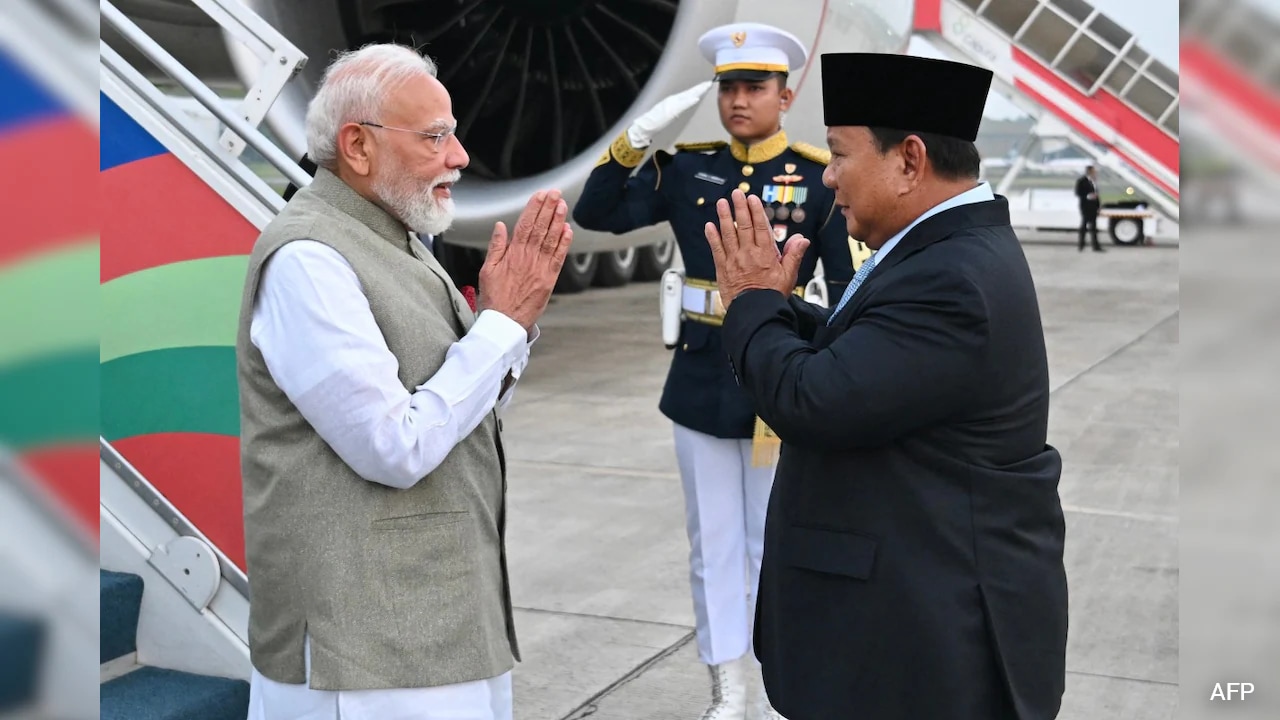
When Indian Prime Minister Narendra Modi landed in Jakarta on July 7, 2026, the optics were entirely predictable. Fighter jet escorts. Horse-mounted guards. A warm hug with Indonesian President Prabowo Subianto at Merdeka Palace.
But if you look past the ceremonial red carpet, something massive just shifted in Asian geopolitics. Modi didn't just fly in to accept Indonesia's highest civilian honor, the 'Bintang Adipurna'. He arrived with a highly specific, heavily armed, and heavily digital India-Indonesia agenda.
Modi called it a "new golden chapter" in bilateral ties. I hear phrases like that from politicians constantly. Usually, it means empty promises and vague memorandums.
Not this time. This meeting alters the strategic balance of the Indo-Pacific.
Beyond the Diplomatic Fluff
Asia's two largest democracies are tired of playing secondary roles in global supply chains and regional security. They are building their own architecture. The 2018 Comprehensive Strategic Partnership between New Delhi and Jakarta always looked good on paper. Now, it has teeth.
If you want to understand why this matters right now, you need to look at what they actually signed. We are talking about cruise missiles, voting machines, rare-earth magnets, and banking tech. This isn't just diplomacy. It is a complete hardware and software upgrade for the Global South.
Missiles and Maritime Reality
Let's start with the loudest part of the agreement. Defense.
India is officially supplying its BrahMos cruise missile system and Astra air-to-air missiles to Indonesia. This is a massive development. Selling high-end military hardware isn't like trading soybeans. It requires deep, generational trust.
The two countries also agreed to coordinate their coast guards across the Indian Ocean. Why? Because the Indo-Pacific is increasingly volatile. Both nations share critical shipping lanes. They both understand the unspoken threat of an expanding Chinese naval footprint. By linking their maritime security and boosting port development, India and Indonesia are quietly building a wall of deterrence.
They are sending a clear message. We can protect our own backyards.
Replacing Paper Ballots
Here is a detail that completely caught me off guard. India is going to help Indonesia run its elections.
Indonesia is the world's third-largest democracy. Until now, they have relied heavily on a traditional, massive, and exhausting single-day paper ballot system. For their upcoming 2029 elections, New Delhi is stepping in to co-develop custom Electronic Voting Machines (EVMs) tailored specifically for the Indonesian archipelago.
India has been running EVM-based elections across 543 constituencies since 2004. They know exactly how to scale voting technology across complex geography. By exporting this tech, India adds Indonesia to a growing list of nations—like Bhutan and Namibia—using its electoral framework.
It is brilliant soft power. You build immense trust by helping another country secure its most fundamental democratic process.
Linking Wallets and Supply Chains
Bilateral trade is meaningless if you can't pay for things easily.
The two leaders announced the upcoming integration of India's Unified Payments Interface (UPI) with Indonesia's digital payment system. If you travel or do business across these borders, your life is about to get significantly easier. No more terrible exchange rates at airport kiosks. Just scan and pay.
Then we hit the critical minerals agreement. Both countries know that whoever controls rare-earth magnets and stainless steel controls the future of tech and manufacturing. They signed pacts to integrate their industrial supply chains. They are actively reducing their reliance on monopolistic suppliers.
Education and Temple Diplomacy
True influence requires a cultural footprint.
India isn't just sending weapons and digital payment codes. The Indian Institute of Management (IIM) Bangalore is setting up a physical campus in Indonesia. This opens a direct academic pipeline for students across the ASEAN region, creating a generation of business leaders trained under an Indian educational framework.
They are also pouring money into shared heritage. Both nations will jointly fund the conservation of the 1,000-year-old Prambanan Temple in Yogyakarta. On top of that, they declared a "Tagore-Dewantara Year" to mark the centenary of Rabindranath Tagore's historic visit, highlighting how deeply Tagore influenced Indonesia's first Education Minister, Dewantara.
History matters in diplomacy. It reminds people that this alliance isn't forced. It is entirely natural.
The Bottom Line for You
If you run a business relying on Asian supply chains, you need to pay attention to Jakarta and New Delhi. They are actively rewriting the rules of trade and security in their region.
Don't wait for Western markets to dictate your strategy. Start exploring cross-border digital payment options right now. Look into the new critical mineral joint ventures forming between Indian and Indonesian steel companies. Track the defense contracts.
The geopolitical center of gravity just moved. Adjust your strategy accordingly.