The polls have officially closed in New Caledonia, and the sigh of relief from Paris is almost audible. With a voter turnout of 54.42%, this island territory just wrapped up its first provincial election since 2019. If you think this is just some sleepy local vote on a remote South Pacific archipelago, think again. It's an absolute pressure cooker.
This election was supposed to happen back in 2024. Instead, political gridlock and catastrophic civil unrest pushed it back multiple times. The stakes couldn't be higher. What happens next will decide whether New Caledonia can forge a peaceful path forward or slip back into the kind of violence that tore it apart two years ago.
The Fragile Reality on the Ground
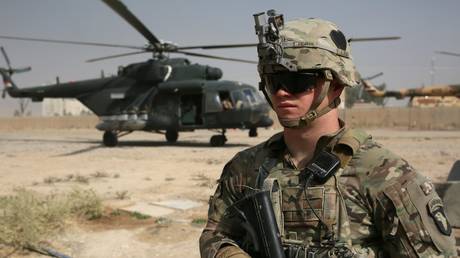
Walk through the capital city of Noumea right now and you'll see a heavy security presence. France didn't take any chances with this vote. They deployed roughly 2,400 law enforcement officers across the islands just to keep the peace. They're staying until mid-July.
That tells you everything you need to know about how tense things still are. The memory of the 2024 riots is fresh. That violence left 14 people dead and caused over two billion euros in property damage. It started because Paris tried to change who was allowed to vote.
To understand why people are so furious, you have to look at the voting rolls. Since the landmark 1998 Noumea Accord, the local voter list was frozen. It stopped recent French arrivals from voting in local elections to protect the political weight of the indigenous Melanesian Kanak population. When Paris tried to unfreeze it to let long-term residents vote, the islands erupted.
For this election, a compromise added 10,575 "native-born" residents to the list, including over 4,000 Kanaks with customary status. But the bigger debate about who gets a say in New Caledonia's future is far from over.
The Collapse of the Bougival Accord
This election happened because a major political gamble failed. French officials had high hopes for the Bougival Accord. The proposed deal aimed to create a specific Caledonian state with its own nationality, while keeping the territory firmly within the French Republic. The catch? It would have permanently ended any future referendums on total independence.
The main pro-independence groups looked at the deal and walked away.
"Preserving the current situation is not a destiny," French Prime Minister Sebastien Lecornu warned. "It may even become the seedbed for renewed violence."
Between 2018 and 2021, New Caledonia held three separate independence referendums. All three rejected breaking away from France. But the third vote in 2021 was heavily boycotted by pro-independence factions due to the pandemic. Because of that, the independence movement views the result as illegitimate. They still enjoy massive, fierce support among the Kanak population.
What the Voters Just Decided
Around 192,000 eligible voters were tasked with choosing 76 councillors spread across three provincial assemblies.
- South Province: 40 seats
- North Province: 22 seats
- Loyalty Islands: 14 seats
Out of those 76 local councillors, 54 will move up to form the Congress of New Caledonia. That congress is the ultimate governing body here. It passes local laws and chooses the territory's executive government.
French authorities also shook up the voting logistics this time around. They slashed the number of physical voting centres in places like Noumea, consolidating them into larger, heavily secured hubs. Critics complained that it made voting harder for people without cars. The government countered that fewer centers made it easier to protect the ballot boxes and count votes quickly.
What Happens Next
The ballots are being counted, but the real work starts next month. French Prime Minister Sebastien Lecornu promised that formal negotiations over New Caledonia's permanent status will resume in July. The goal is a binding treaty before the end of the year.
If you want to track where this goes, keep your eyes on two specific indicators over the next few weeks.
First, watch how the newly elected Congress splits between the loyalist factions and the pro-independence parties. Neither side is in a mood to compromise, and a razor-thin margin will make the upcoming Paris talks incredibly difficult.
Second, monitor the security footprint. If France starts drawing down those 2,400 officers in July without incident, it means local leaders are successfully keeping a lid on frustrations. If the troops stay, expect a volatile second half of the year.