The radio waves crackled 40 miles off the North Carolina coast with an unmistakable Southern drawl: "Warship! Get out of our waters!"
It wasn't a real hostile encounter. Norwegian Lieutenant Thomas Johannsen and his crew aboard a NATO warship were actually picking up stray commercial chatter while running a simulated boarding operation. But the friction in the air felt entirely real.
Right now, 26 warships from 13 allied nations are slicing through the Atlantic for FLEETEX 250. It's a massive, multi-nation military exercise hosted right in America's backyard. Yet this display of military muscle is happening at the worst possible political moment. While European frigates hunt simulated American submarines and practice intercepting smugglers, President Donald Trump is actively blasting these same allies in Washington, demanding "loyalty" and threatening to pull back the American defense umbrella.
If you think this is just a bunch of sailors playing war games out at sea, you're missing the real story. This is a quiet, desperate pushback by military professionals to prove they're relevant before the politicians break the alliance for good.
The Reality of FLEETEX 250
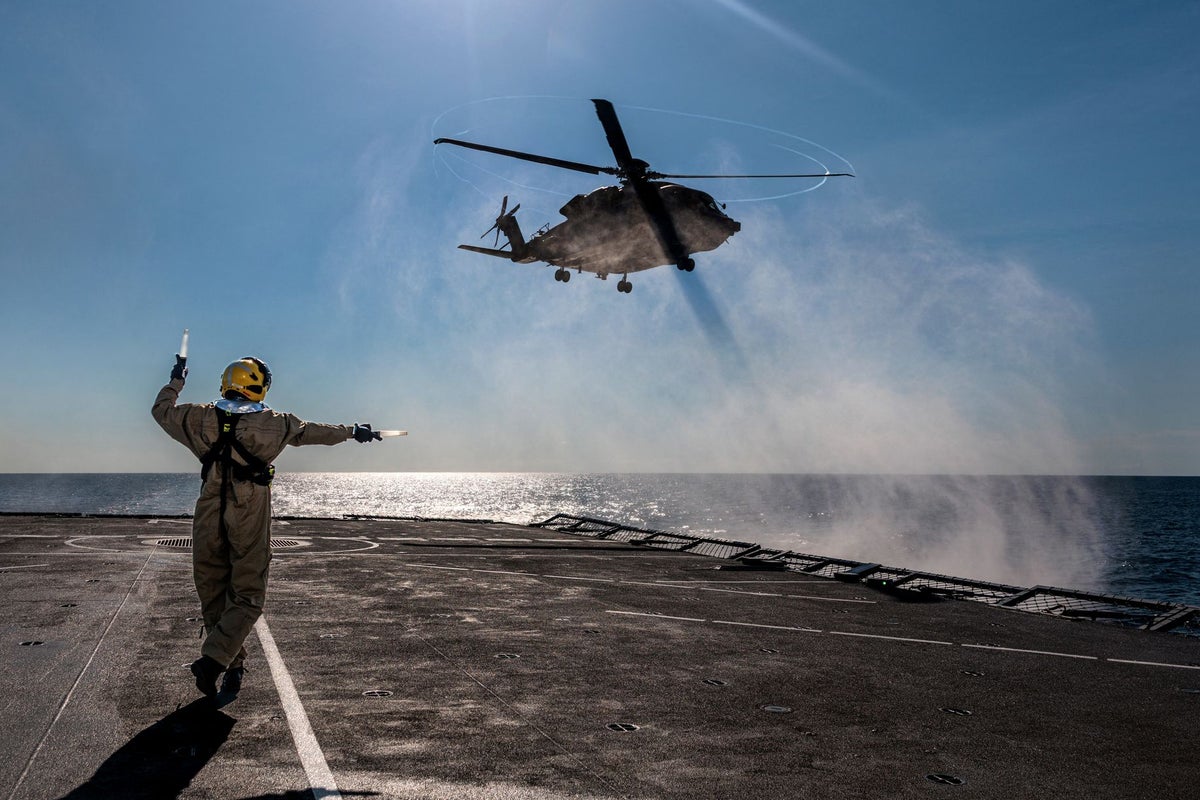
Let's clear up a major misconception. Many people assume these massive naval exercises are put together overnight to send a quick political message. They aren't. Military planners schedule events like FLEETEX 250 months or even years in advance. They are designed to ensure that if a real conflict erupts, a Canadian flight crew can land a helicopter on a British frigate while a Norwegian boarding team secures a suspect vessel, all without killing each other by mistake.
What makes these specific drills unique is where they are happening. Usually, European allies host NATO exercises near their own borders—in the North Sea, the Mediterranean, or the Arctic. Bringing European warships to the US East Coast is a deliberate reminder that defense is a two-way street.
During the exercises, European nations brought highly specialized skills right to the US Navy’s Second Fleet doorstep:
- Norway deployed advanced anti-submarine warfare units to track and "expel" a US submarine.
- Belgium provided elite mine-countermeasure expertise.
- Multinational teams ran anti-air warfare simulations against F-18 fighters and incoming drones.
At the deck-plate level, the cooperation is seamless. But the higher up the chain of command you go, the shakier the ground feels.
The Great Transatlantic Disconnect
While Standing NATO Maritime Group One, led by British Commodore Maryla Ingham, clears fake weapons for boarding drills, the view from Washington is incredibly hostile. Trump hasn't held back his anger. He recently complained that European allies failed to move fast enough to assist the US during military tensions with Iran, saying flatly, "I just want their loyalty."
NATO Secretary-General Mark Rutte has even resorted to bringing literal, printed-out charts to the Oval Office to appease the administration. One chart, titled "The Trump Trillion," highlights the $1.2 trillion defense spending increase by European allies and Canada since 2017.
Estimated European & Canadian Defense Spending Increases:
- Total increase since 2017: $1.2 Trillion
- Projected next two years: +$250 Billion
- New long-term GDP spending goal: 5%
Despite European promises to hike defense targets to 5% of their GDP, the Pentagon is still moving ahead with reviews of its force posture. This means the US is seriously considering cutting back its reliance on American troops in Europe.
Former NATO intelligence chief David Cattler pointed out the harsh reality of this situation: while these drills send a potent message about Europe's willingness to defend both sides of the Atlantic, they're highly unlikely to change minds inside the Trump Pentagon.
What This Means for Your Security
Why should you care about European ships sailing off the coast of North Carolina? Because the operational bond between these militaries is the only thing keeping the alliance functional.
If political pressure forces the Pentagon to scale back these joint exercises, the consequences will be felt quickly. Without constant, shared training, the ability of different nations to operate as a single, cohesive unit degrades. If a real crisis hits the North Atlantic, you can't build that coordination on the fly.
Mark Cancian, a retired U.S. Marine officer now with the Center for Strategic and International Studies, summed it up perfectly. He noted that unless someone explicitly tells them to stop, the militaries will keep training. It's just "NATO being NATO." But that momentum won't last forever if the political foundation continues to crumble.
What to Watch Next
The strategic map is shifting rapidly, and the smooth execution of FLEETEX 250 shouldn't blind us to the cracks in the alliance. To understand where transatlantic security is actually heading, keep your eyes on these specific flashpoints over the coming months:
- The Ankara Summit: Watch the upcoming NATO leaders' summit in Ankara, Turkey. This will be the ultimate test of whether Rutte's flattery can keep Trump engaged, or if the administration will formally announce troop drawdowns in Europe.
- The Arctic Sentry Mission: Keep tabs on NATO's planned "Arctic Sentry" mission. As Russia steps up its submarine patrols in the high north, European nations are trying to take the lead in tracking them before they ever reach the US East Coast. If the US pulls back support here, Europe will be forced to sink or swim on its own.
- European Domestic Defense Budgets: Keep track of whether countries like the UK, France, and Germany actually hit their aggressive new spending targets, or if domestic economic troubles cause them to stall, giving Washington more ammunition to walk away.