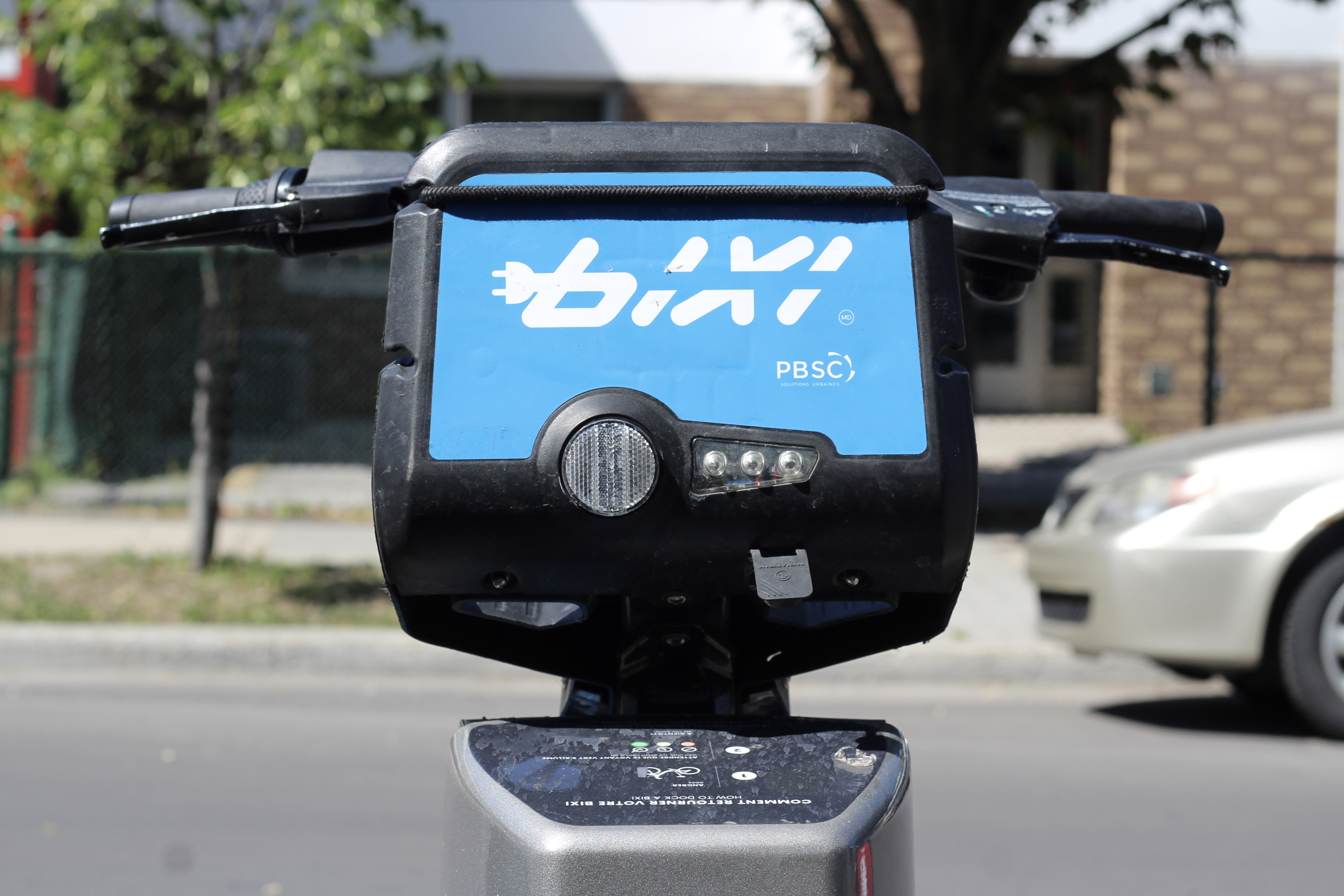
Urban planners love bike-sharing networks, but they rarely sleep five meters away from the metal docking bays.
A sudden neighborhood conflict in Montreal's Notre-Dame-de-Grâce (NDG) borough has highlighted a growing problem for the city’s transit strategy: the friction between green infrastructure and residential peace. When the city dropped a 30-unit BIXI docking station onto De Maisonneuve Boulevard near Grey Avenue, officials expected a routine installation. Instead, they triggered intense neighborhood pushback over sleepless nights and safety concerns.
This is not a simple case of NIMBYism. It reveals a flawed rollout strategy that leaves local residents dealing with the consequences of poor city communication.
The Reality of Living Five Meters From a Bike Dock
Living on De Maisonneuve Boulevard used to offer a standard residential experience. That changed when a 30-unit BIXI rack appeared right outside several front doors. Local homeowner Jean Larouche lives less than five meters from the newly installed metal rack.
The primary issue is the noise. Heavy frame bikes slamming into metal locking mechanisms creates a sharp, metallic clang that cuts through standard window glass. This noise occurs frequently during late-night and early-morning hours.
The noise is not just from riders. The operational logistics of maintaining a massive bike-sharing network create additional disruption. BIXI vans arrive late at night and during early morning hours to balance the fleet. Workers load and unload heavy bikes, creating continuous clanging during the quietest hours of the night. For residents like Larouche and neighbor Sorina Draghicescu, the sudden shift has completely disrupted their privacy and peace.
Safety and Visibility Problems
The choice of the Grey Avenue location introduces distinct traffic hazards. De Maisonneuve features a busy, dedicated bike path, making it a natural choice for micro-mobility infrastructure. However, placing a major 30-bike hub directly in front of residential properties introduces unexpected safety risks.
- Congestion Points: Groups of riders congregating on the sidewalk while unlocking or locking bikes create sudden blockages for pedestrians and residents trying to leave their properties.
- Blind Spots: A fully loaded 30-bike rack creates a solid visual barrier for motorists turning out of driveways or side streets, increasing collision risks.
- Unfamiliar Drivers: Delivery drivers and visitors who are unfamiliar with the area must navigate sudden lane narrowings and unpredictable cyclist movements near the station.
Residents question why the borough did not choose a more logical location: the Vendôme métro station just down the street. The transit hub features existing concrete plazas, heavy commercial foot traffic, and direct connections to buses, commuter trains, and the metro. It is an ideal spot for a bike station, yet it remains empty while a residential block bears the brunt of the traffic.
Temporary Excuses and Poor Communication
The Côte-des-Neiges–Notre-Dame-de-Grâce borough claims this installation is a temporary measure. According to a borough spokesperson, the station was moved from Marlowe Avenue to accommodate ongoing Hydro-Québec infrastructure work. Officials also stated that placing the 30-unit dock directly at Vendôme métro was impossible due to operational constraints and safety concerns.
However, the city has not provided a timeline for when the Hydro-Québec work will finish. "Temporary" projects in Montreal often turn into multi-year fixtures, leaving residents stuck with the disruption indefinitely.
The main issue is the complete lack of communication from local officials. Residents woke up to find heavy metal infrastructure installed outside their windows without any prior notice, flyers, or public consultation. The city skipped the consultation process, treating a significant change to the streetscape as a minor administrative update.
Balancing Green Transit with Community Needs
Active transit infrastructure is essential for modern cities, but its success depends on thoughtful placement. When cities skip community consultation, they alienate the very residents who support green initiatives.
The NDG dispute shows that micro-mobility hubs require the same careful planning as bus stops or commercial loading zones. Placing heavy-use infrastructure right next to residential bedrooms without consulting the community is a recipe for conflict.
Actionable Next Steps for Affected Residents
If a major bike-sharing hub or transit station is installed outside your home without warning, you can take several concrete steps to address the situation:
- Document and Quantify: Do not just complain about the noise; track it. Use a calibrated decibel meter app to log the sound levels of bikes docking after 11:00 PM. Record video evidence of fleet-balancing vans operating during overnight hours.
- File Targeted Borough Complaints: Submit formal notices via Montreal's 311 system. Categorize these under both "noise complaints" and "obstruction of public safety" to ensure they are routed to different municipal departments.
- Attend the Next Borough Council Meeting: NDG residents plan to address this at the upcoming council meeting. Presenting clear video evidence and decibel logs during the public question period forces elected officials to respond on the public record.
- Demand a Clear Timeline: If the borough claims an installation is temporary, demand a formal written commitment detailing the exact end date of the surrounding construction.
Active transit shouldn't come at the cost of basic livability. Forcing cities to maintain transparent communication ensures that green infrastructure projects can succeed without disrupting local neighborhoods.