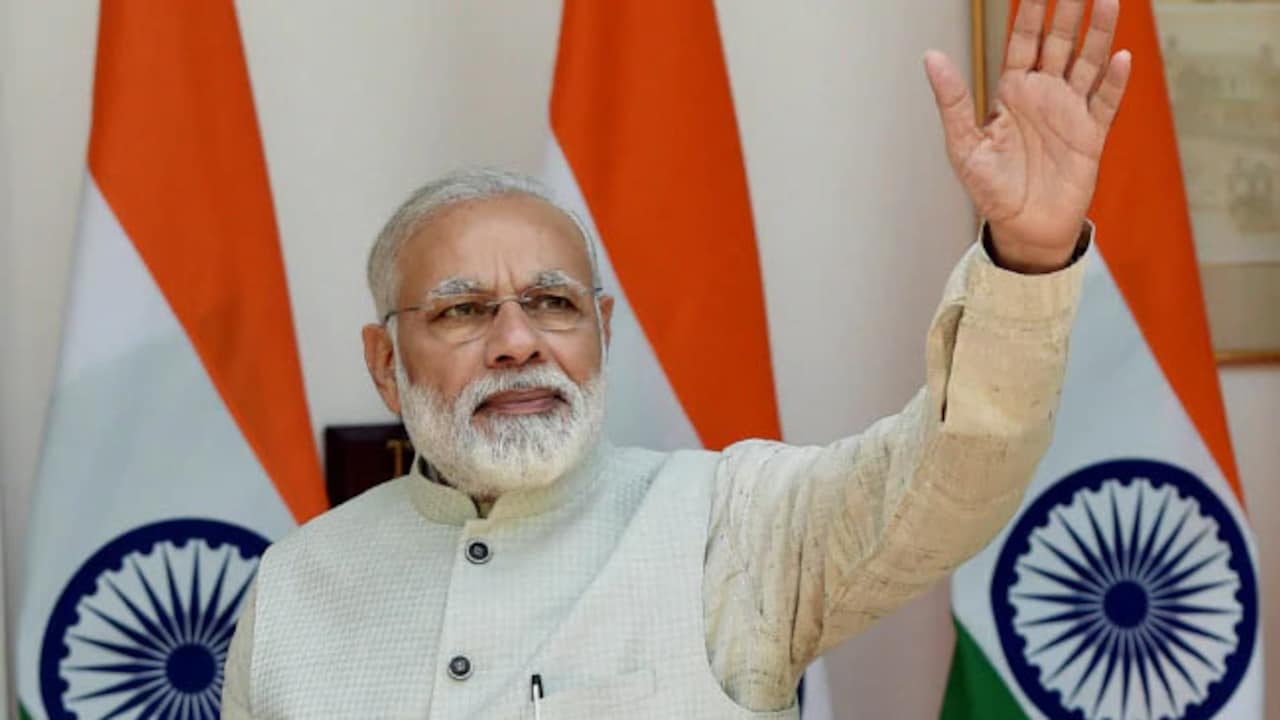
India is quietly making a massive geopolitical play in the Western Indian Ocean, and most people are completely missing the real story. When Prime Minister Narendra Modi lands in the archipelago of Seychelles for a state visit from June 27 to 29, media headlines will focus heavily on the pomp, the pageantry, and the ceremonial handshakes. He is attending the Golden Jubilee of the country's National Day as the Guest of Honour. But if you think this three-day trip is just about marching bands and diplomatic pleasantries, you're looking at it all wrong.
This visit marks the first time Modi has set foot in Seychelles since 2015. Eleven years is a long time in international politics. In that decade-long gap, the strategic competition over the global shipping lanes surrounding East Africa and the Mozambique Channel has exploded. This trip isn't a simple goodwill tour. It is a calculated move to secure India's position as the primary maritime defender in a region increasingly eyed by global rivals.
The Core Facts Behind the June State Visit
Let's lay out exactly what is happening on the ground. At the official invitation of Seychelles President Patrick Herminie, Modi will spend three days in the island nation. The schedule is packed tight.
Apart from standing next to President Herminie during the 50th National Day celebrations, Modi is set to hold high-level bilateral talks to review every single aspect of how these two countries interact. He will address an extraordinary sitting of the National Assembly of Seychelles, making him the first Indian Prime Minister to do so. Two Indian Navy ships and a military contingent are already arriving to participate directly in the commemorative events. He will also squeeze in an interaction with the local Indian diaspora before flying back to New Delhi.
On paper, it looks like a standard high-profile itinerary. In reality, the timing and the specific deliverables tell a completely different story.
The Hardware India is Bringing to the Table
Diplomacy requires teeth, and New Delhi knows it. The biggest concrete announcement of this visit revolves around a significant transfer of hardware. India will officially hand over a new fast patrol vessel to the Seychelles Coast Guard during the trip.
Seychelles is an archipelago of 115 islands. It boasts a massive exclusive economic zone but has a total population of just around 133,000 people. They simply don't have the manpower or the domestic naval industrial base to police their own waters effectively. Drug trafficking rings, maritime piracy, and sophisticated illegal fishing operations from distant countries routinely exploit these gaps.
India has stepped into this vacuum. This new patrol vessel builds on a long history of military gifts, including two previously transferred Dornier surveillance aircraft and multiple patrol boats. Indian defence personnel are embedded directly within the local security infrastructure to help run coastal radar systems. By giving Seychelles the tools to watch its own borders, India makes itself indispensable.
Security analysts tracking the region know exactly what this means. Seychelles is actively moving to join the Colombo Security Conclave as a full member, joining India, Sri Lanka, the Maldives, and Mauritius. The local Lamitye military exercise between India and Seychelles was raised to a tri-service level earlier this year. This isn't just casual cooperation. It's a systematic effort to bind the security architecture of these small island states directly to New Delhi.
Money Talks and Digital Infrastructure Follows
You can't build a strategic alliance on defense equipment alone. The economic foundations of this trip were actually laid a few months ago. In February, President Herminie spent six days on a state visit to India. During those meetings, New Delhi dropped a massive financial commitment: a special economic package worth $175 million.
This package includes a $125 million line of credit alongside a straight $50 million grant. The two nations formalised this under a roadmap called the Joint Vision SESEL, which stands for Sustainability, Economic Growth and Security through Enhanced Linkages. During the June 28 events, several infrastructure projects funded by this initiative will be officially inaugurated.
But the real twist is digital. Seychelles wants to digitise its entire governance setup to clear out bureaucratic red tape and improve public services. India is capitalizing on this by exporting its own successful Digital Public Infrastructure. They are building customized digital payment frameworks for Seychelles, modeled on the systems that transformed India's domestic economy. When a country builds its digital banking, identity, and tax systems on your technical architecture, you establish a bond that lasts for decades.
The Indian Diaspora You Probably Didn't Know Existed
There is a major human element to this trip that rarely gets enough airtime in global news rooms. The Indian diaspora in Seychelles is small in absolute numbers but massive in terms of local influence.
Around 15,000 people of Indian origin live in the archipelago. That accounts for roughly 12% of the entire national population. The community is split between 6,000 Persons of Indian Origin who trace their roots back generations to Gujarati and Tamil traders, and about 9,000 Indian nationals currently working there. They run major retail businesses, drive local construction, and hold positions across the healthcare and education sectors.
Modi’s scheduled community interaction on June 28 isn't just a political photo-op for voters back home. It sends a message to the political establishment in Victoria that India has deep, living roots inside their society.
Reading Between the Lines of Vision MAHASAGAR
The Indian Ministry of External Affairs keeps repeating a specific acronym when discussing this trip: Vision MAHASAGAR. It stands for Mutual and Holistic Advancement for Security and Growth Across Regions. Strip away the diplomatic jargon, and it means India wants to be the recognized leader of the Global South in the maritime domain.
Smaller island nations in the Indian Ocean frequently complain that Western powers or China treat them like pawns on a chessboard. India’s strategy is different. They present themselves as a benign, reliable partner that builds hospitals, supplies green energy solutions, and provides free maritime policing without demanding a permanent military base that compromises local sovereignty.
We shouldn't look at this visit in isolation. Look at the broader picture. India is locking down relationships across the entire southwestern Indian Ocean ridge, from Mauritius to Madagascar, and now Seychelles.
Next Steps for Observers Tracking the Region
If you want to understand if this trip succeeds, don't just watch the speeches on June 27. Watch what happens directly afterward.
Keep a close eye on the specific maritime coordination agreements signed during the bilateral talks. Watch whether Seychelles formally secures its full membership in the Colombo Security Conclave in the weeks following the visit. Finally, track how quickly the digital payment systems are rolled out across the islands. Those concrete milestones will tell you exactly how far India has managed to extend its influence into the heart of the Indian Ocean.


.jpg)