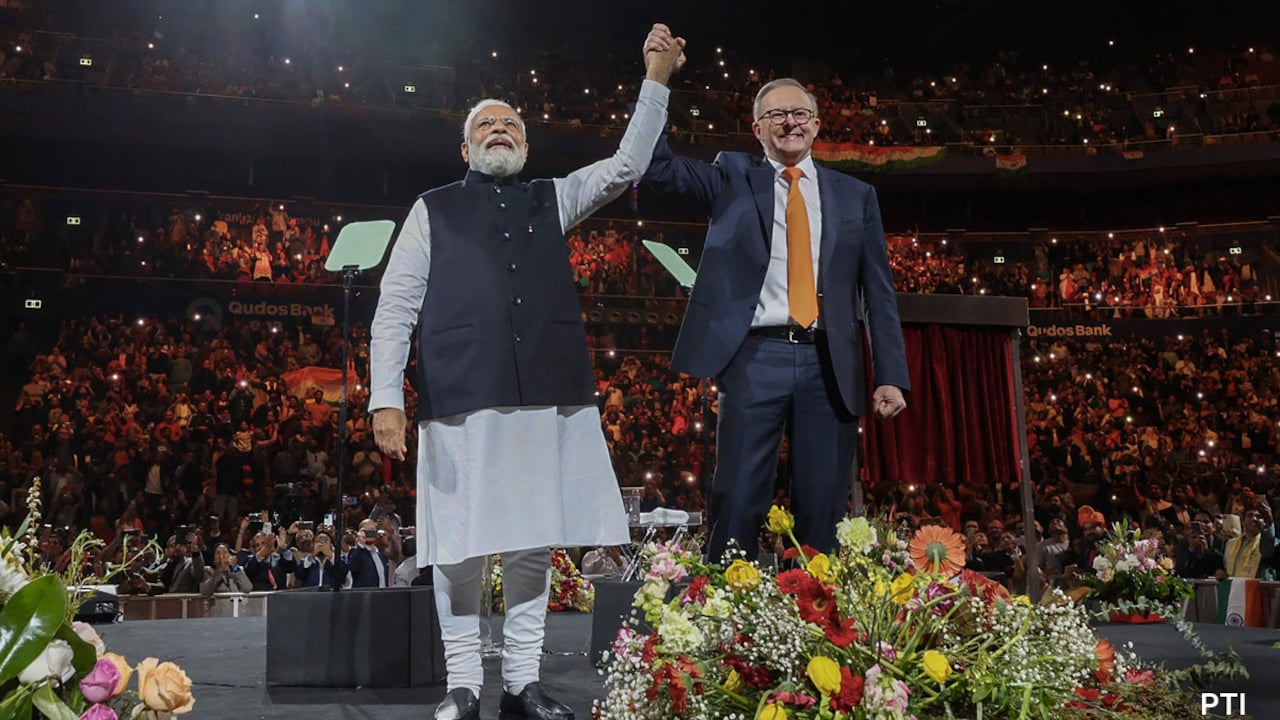
Summits are usually exercises in heavy scripting and boring handshakes. You expect a lot of polite talk about "shared values" and "deepening ties" before everyone flies home. But Prime Minister Narendra Modi's trip to Melbourne from July 8 to 10 isn't just another photo op. It's a calculated, high-stakes move to lock down resources India desperately needs to power its industrial future.
Look past the standard diplomatic fluff. This visit is about hard-nosed realism. India is trying to run a massive semiconductor mission, supercharge its electric vehicle market, and scale its nuclear energy grid all at once. You can't do any of that without critical minerals and fuel. If you found value in this piece, you might want to check out: this related article.
Australia happens to sit on a goldmine of exactly what New Delhi lacks.
The Uranium Deal Everyone is Watching
Let's talk about the elephant in the room. India wants Australian uranium, and it looks like a commercial deal might finally happen during this visit. For another angle on this event, check out the latest coverage from Wikipedia.
The two countries signed a framework agreement over a decade ago. It mostly collected dust. Now, things are moving because India’s domestic energy demand is exploding. Between the rapid growth of data centres handling artificial intelligence and the push for electric mobility, solar and wind aren’t going to cut it alone.
India needs a steady base-load power supply. That means expanding its civil nuclear programme.
The talks in Melbourne will build on the existing Australia-India Civil Nuclear Cooperation Agreement. Don't expect a wild, unregulated trade; any supply will come under strict international safeguards for peaceful use. But if a solid commercial arrangement is signed, it secures a massive chunk of India's long-term energy mix. Australia holds roughly one-third of the world's known uranium reserves. For New Delhi, securing access to that supply isn't a luxury. It's a strategic necessity.
Beyond Raw Lithium
Everyone talks about critical minerals like they're the new oil. They're right. Australia has some of the biggest reserves of lithium, cobalt, and nickel on earth. India has the factories, the engineering talent, and a massive domestic market waiting to buy the finished products.
But here is where the old way of doing business fails. For a long time, resource diplomacy meant rich countries digging stuff out of the ground and shipping the raw dirt somewhere else.
That doesn't work for India anymore.
The goal during this summit isn't just to buy Australian lithium. The goal is to build an entire joint supply chain. Indian policymakers want collaborative investments that cover everything. Exploration, mining, refining, processing, and eventual recycling. If India just buys raw materials, it stays vulnerable to global price shocks. By investing directly across the whole value chain, both nations protect themselves from supply disruptions, especially given the geopolitical instability in the wider region.
The Reality of the Trade Pact
You'll hear a lot of chatter about the Economic Cooperation and Trade Agreement (ECTA), which has been active since late 2022. It did exactly what it was supposed to do. Bilateral trade hit a staggering $54.4 billion in the 2025 fiscal year, making India Australia's fifth-largest trading partner.
The ECTA gave immediate zero-duty access to nearly all Australian exports entering India and did the same for Indian goods heading south. Indian textiles, pharmaceuticals, and chemicals saw a massive boost. On the flip side, Indian manufacturers got cheaper access to base metals, raw cotton, and industrial inputs.
But the real test right now isn't celebrating the ECTA. It's pushing through the negotiations for the Comprehensive Economic Cooperation Agreement (CECA).
The CECA is the harder, more complicated older brother of the ECTA. It's supposed to open up the services sector, investment channels, and digital trade. It’s been stuck in the mud because both sides are fiercely protective of certain domestic industries. Modi and Australian Prime Minister Anthony Albanese need to break that deadlock in Melbourne.
A High-Level Military Shift
The defence conversation between these two has completely changed. A decade ago, India-Australia defence ties were mostly about maritime search-and-rescue drills and cricket diplomacy. Today, Canberra explicitly labels India a "top-tier security partner" in its National Defence Strategy.
We aren't just talking about the Malabar naval exercises anymore.
Officials are quietly working toward a new, high-level joint defence declaration during this trip. What does that actually mean on the ground? It means moving past simple intelligence sharing and logistics pacts. The real focus now is on defence-industrial collaboration.
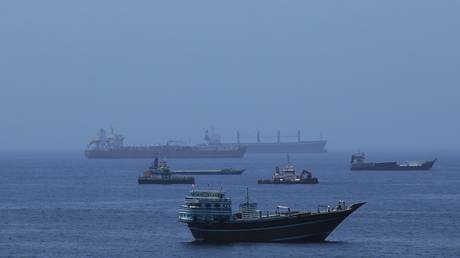
The two militaries are looking at co-developing advanced tech, including underwater surveillance systems, autonomous drones, and space-based maritime domain awareness. The Indian Ocean is getting crowded, and neither New Delhi nor Canberra wants to face that reality alone.
What Happens Next
If you want to track whether this trip is actually successful, stop reading the joint press releases and watch for three specific markers over the coming months:
- Check if actual commercial contracts for uranium supply are finalized, rather than just vague corporate agreements.
- Watch the speed of the CECA negotiations; if we don't see a draft framework by the end of the year, the trade momentum is stalling.
- Look for concrete Indian corporate investments into Western Australian mining projects, which will show if the critical minerals talk is real or just political rhetoric.