Michigan Democrats are staring down a familiar ghost. The open U.S. Senate seat left behind by retiring Senator Gary Peters has triggered the most volatile, expensive, and deeply personal intraparty fight the state has seen in over three decades. It is a three-way collision between Abdul El-Sayed, Haley Stevens, and Mallory McMorrow. But beneath the names on the August 4, 2026 ballot, this race is a structural rerun of the ideological and regional fractures that nearly tore the state party apart in 2020.
If you want to understand where the national Democratic Party is heading, look at Michigan. Donald Trump carried the state in 2024 by a narrow 49.7% to 48.3% margin over Kamala Harris. Elissa Slotkin barely squeezed by in her own 2024 Senate race. Michigan Democrats know they have zero room for error. Yet, instead of a unified front, the primary has exposed the same raw nerves that defined the 2020 presidential primary between the establishment and the insurgent left. Building on this topic, you can find more in: The Bangladesh Flood Crisis Nobody Talks About Honestly.
The Three Factions Splitting the Michigan Electorate
The 2026 primary is not a simple left-versus-center matchup. It is a complicated three-way battleground where each candidate represents a distinct, powerful pillar of the modern Democratic coalition.
The Insurgent Left Echos
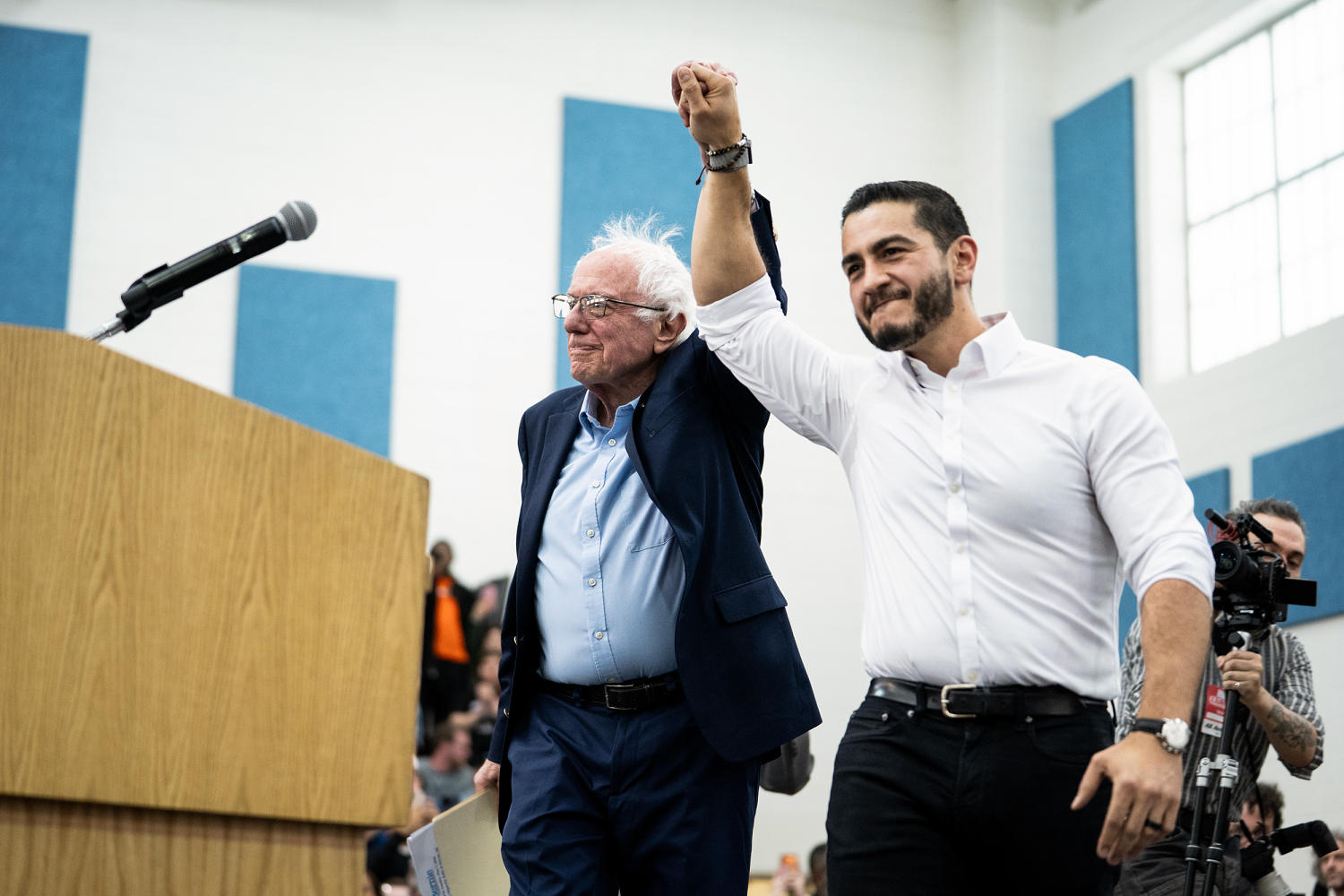
Abdul El-Sayed, the Rhodes Scholar and former Detroit health director, is commanding the progressive wing. He has done this before, capturing national attention during his 2018 gubernatorial bid. Armed with an endorsement from Senator Bernie Sanders, El-Sayed is running on an unapologetic platform of Medicare for All and aggressive corporate accountability. Experts at Reuters have also weighed in on this matter.
His campaign is fueled by young voters and the state's significant Arab American and progressive activist base. They are still furious over national foreign policy decisions and economic stagnation. For El-Sayed, the path to victory relies on maximizing turnout in university towns like Ann Arbor and working-class urban centers. It is the exact strategy Sanders utilized to stun the political world in the 2016 primary and keep things razor-thin in 2020.
The Institutional Center
In direct opposition stands Representative Haley Stevens. A formidable fundraiser with deep roots in the state's economic engine, Stevens represents the institutional, battle-tested core of the party. She served as chief of staff to the U.S. Auto Rescue Task Force under President Barack Obama. This resume item carries immense weight in a state tied to the automotive industry.
Backed by Senate Majority Leader Chuck Schumer, Stevens commands the support of suburban moderates, auto manufacturing coalitions, and institutional donors. Her strategy is built around Oakland and Wayne County suburbs. These are the voters who swung the state back to Joe Biden in 2020 and saved Slotkin in 2024. Stevens argues that running an overt progressive in a state Trump just won is political suicide.
The Generational Wildcard
Then there is State Senator Mallory McMorrow. She represents a different kind of challenge. McMorrow rocketed to national prominence in 2022 after a fiery floor speech defending LGBTQ+ rights went viral, proving she could go toe-to-toe with right-wing cultural rhetoric. Endorsed by Senator Elizabeth Warren, McMorrow is attempting to bridge the gap between the two warring factions.
She speaks the language of progressive values but operates within institutional channels. Her base is concentrated among younger suburban families and professional women who want aggressive advocacy without the tactical friction associated with the far-left.
The Financial Arms Race and Late Spring Surges
This ideological divide has triggered a massive influx of cash. Campaign finance disclosures from early 2026 reveal a remarkably balanced financial battlefield. Stevens and McMorrow held the cash advantage early on, pulling in $8.8 million and $8.6 million respectively. El-Sayed trailed slightly in raw receipts at $7.6 million, but his small-dollar donor network allowed him to conserve cash for a massive late-spring advertising blitz.
That spending strategy shifted the numbers. Public polling from organizations like Mitchell Research and Lake Research Partners showed a dead heat throughout the winter, with undecided voters hovering around 30%. By June 2026, El-Sayed began opening up a narrow but consistent single-digit lead in aggregate polling. A June Mitchell Research poll put El-Sayed at 42%, with Stevens at 33% and McMorrow slipping to single digits at 6%.
The numbers reveal a stark reality. The progressive base is locked in, while the moderate and suburban vote is actively splintering between Stevens and McMorrow.
Why 2020 Strategies Fail in 2026
The temptation for pundits is to treat this like a simple replay of 2020. That is a dangerous mistake. The underlying political terrain in Michigan has shifted fundamentally over the last six years.
In 2020, suburban moderates rallied behind Joe Biden because of an overriding, singular focus on electability against Trump. Today, those same suburban voters are exhausted. They are dealing with sticky inflation and a fractured state party infrastructure. Stevens cannot simply rely on the old Obama-era playbook.
Simultaneously, the progressive coalition is more complicated than it was six years ago. El-Sayed faces intense scrutiny over the outer edges of his activist coalition. The political fallout from the indictment of former campaign associates over aggressive campus protests at the University of Michigan has forced him to defend his executive judgment. He must prove he can govern a complex, purple state, rather than just fire up an activist crowd.
What Happens Next on the Campaign Trail
The final sprint to August 4 will be decided by three distinct operational realities. If you are tracking this race, these are the pressure points that matter.
- Suburban Consolidation: Keep a close eye on whether McMorrow or Stevens blinks first. If moderate suburban donors and voters consolidate heavily behind Stevens in July, El-Sayed's polling lead could vanish overnight.
- The Turnout Gap: Watch the absolute turnout numbers in Wayne, Washtenaw, and Genesee counties. El-Sayed needs historic turnout among voters under 30 to offset the reliable, older primary electorate that typically favors establishment candidates like Stevens.
- Independent Expenditures: Super PAC spending will flood Michigan airwaves in the final three weeks. Watch where the attack ads land. If outside moderate groups launch a sustained negative campaign against El-Sayed's progressive platform, it could alienate the very base Democrats need in November.