Military boots on local streets always change the math of policing. When a routine foot chase in downtown Memphis ended with 20-year-old Tyrin Johnson dead from National Guard gunfire, a flashpoint arrived that critics had been predicting for months.
This isn't just another officer-involved shooting. It's the first time a deployed guardsman has pulled the trigger and killed a civilian under the banner of the Memphis Safe Task Force. The Tennessee Bureau of Investigation (TBI) is now picking up the pieces, trying to figure out exactly how a chaotic 4:00 a.m. pursuit turned a street corner into a military combat zone. Recently making news recently: Why Dermot Murnaghan's Stealth Diagnosis Matters To Every Man Over Fifty.
If you're trying to make sense of how we got here, look past the immediate police reports. The real story lies in the collision between local crime control and federalized military intervention.
When a Foot Chase Escolates Into Military Force
The facts from the early hours of July 5, 2026, are heavy. Memphis police responded to a shots-fired call near Ida B. Wells Avenue and Union Avenue. According to official statements, officers spotted several people scattering, including Johnson, who was reportedly armed with a handgun. Additional details into this topic are covered by USA Today.
He ran. Memphis police officers pursued him on foot.
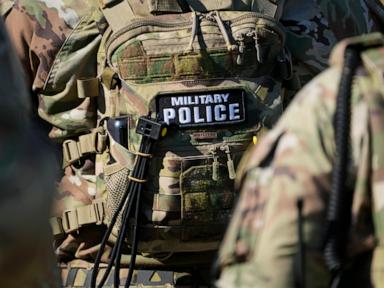
Then the dynamic shifted. Nearby Tennessee National Guard soldiers, embedded with the local task force, joined the chase. Investigators claim Johnson turned toward the guardsmen while holding his weapon. Two soldiers opened fire. Despite first aid attempts by Guard medical specialists, Johnson died right there on the pavement near AutoZone Park.
His family is left demanding answers. Johnson had moved to Nashville, worked in construction, took university classes, and was navigating life as a new father. His grandfather, Evaniel Johnson, has stated he wants to see the evidence and any available video footage before drawing final conclusions. He simply notes the immense loss of a young man with a full life ahead of him.
The Problem With Soldiers Policing American Neighborhoods
Putting military personnel on domestic patrols creates an inherent friction point. Soldiers are trained for warzones, where the rules of engagement and tactical mindsets differ wildly from the de-escalation strategies expected of civil law enforcement.
Governor Bill Lee deployed the Tennessee National Guard to Memphis back in October. The move aligned with a broader federal push by the Trump administration to target rising crime rates in major municipal hubs. From the jump, local leaders pushed back. Memphis Mayor Paul Young and other city officials argued that violent crime was already on a downward trend before the troops arrived. They viewed the deployment as a political overreach that stripped the city of its own police autonomy.
This tragic outcome highlights the exact risks critics warned about. When you mix soldiers into a high-speed foot chase through city streets, the margin for error shrinks to zero.
What the TBI Investigation Must Address
District Attorney General Steve Mulroy handed the reins over to the TBI to ensure an independent look at the shooting. Their team has a lot of ground to cover.
- The exact trigger for lethal force: Body camera footage, dash cams, and neighborhood surveillance will be vital to confirming whether Johnson pointed the weapon or if the pursuit dynamics caused a fatal misinterpretation.
- Task force directives: Investigators must look into the specific rules of engagement given to these guardsmen. Are they operating under the same restrictive force policies as Memphis police officers, or are their operational boundaries blurred?
- Accountability gaps: Lt. Col. Darrin Haas, speaking for the Tennessee National Guard, declined to identify the soldiers who fired. Transparency will be tough to maintain if military bureaucracy shields the individuals involved from local public scrutiny.
This incident marks the fourth shooting tied to the Memphis Safe Task Force since its inception last autumn, though the previous incidents involved other law enforcement agencies rather than Guard members. The pattern suggests a high-pressure environment where force is used frequently.
Next Steps for Local Oversight
If you are a Memphis resident or an advocate for police accountability, watching the TBI investigation is just step one. True oversight requires tracking how these joint task forces operate moving forward.
Demand clarity from city council representatives regarding the specific operational boundaries of military personnel in your neighborhoods. Push for the immediate public release of any video evidence collected by the TBI. Follow the legal updates from Shelby County District Attorney Steve Mulroy’s office as they review the investigative findings to determine the legality of the force used. The path to preventing another tragedy requires shifting the strategy away from heavy-handed military deployments and back toward transparent, community-led policing.