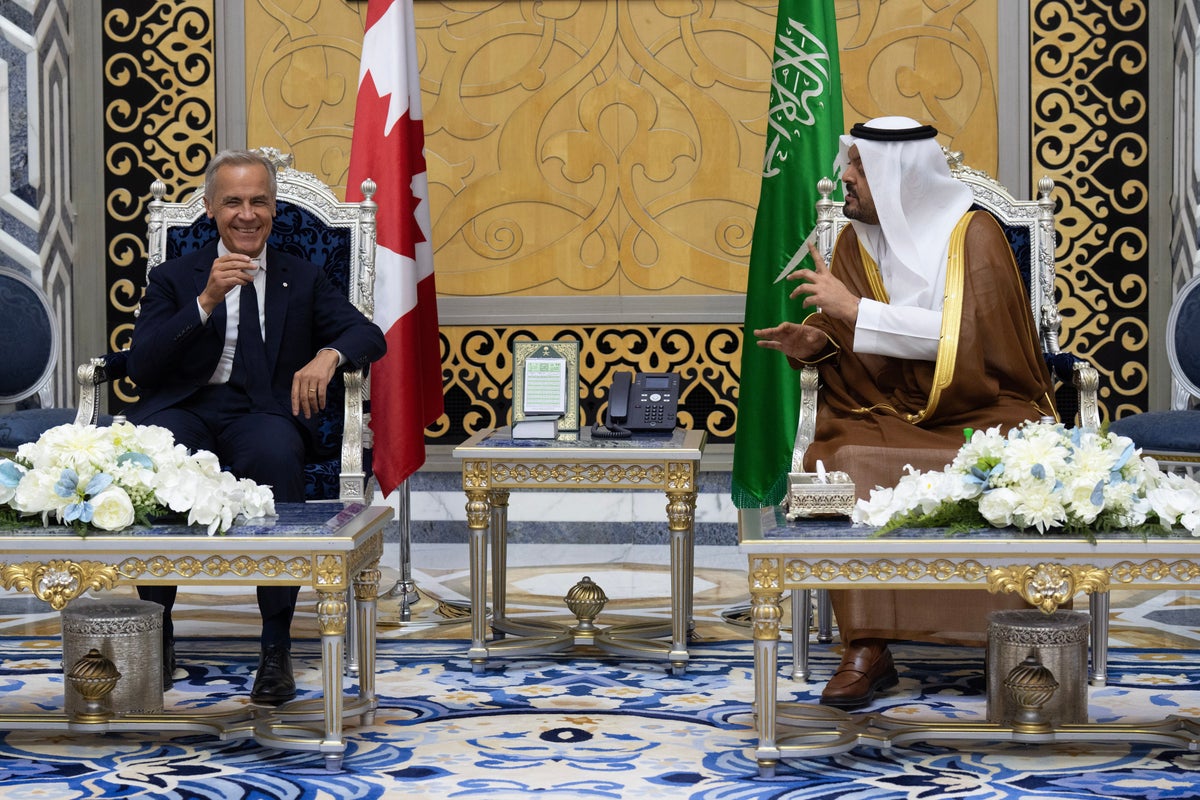
Canada has spent years acting like the world’s moral headmaster. That era is officially dead. When Prime Minister Mark Carney arrived in Jeddah this week, it marked the first time a Canadian leader set foot in Saudi Arabia in 26 years. This isn't just a standard diplomatic photo-op. The high-stakes meeting between Mark Carney and Saudi Arabia’s Crown Prince Mohammed bin Salman represents a massive, calculated pivot in how Ottawa handles global affairs.
For a long time, Canadian foreign policy was driven by public lecturing and symbolic gestures. Now, under the weight of severe trade threats from Washington and a rapidly fracturing global economy, reality has set in. Carney is taking the world exactly as it is, not how idealists wish it would be.
If you're wondering why this trip is happening right now, the answer comes down to two things: survival and diversification. Canada can no longer afford to keep all its economic eggs in the American basket, especially with Donald Trump weaponizing tariffs and threatening the future of regional trade agreements. This trip is a direct response to that vulnerability.
Moving Past the Twitter Diplomacy Disaster of 2018
To understand why this visit is such a big deal, you have to look back at the absolute train wreck of 2018. Back then, the Trudeau administration chose to conduct foreign policy via social media. The global affairs minister fired off a tweet demanding the "immediate release" of jailed human rights activists in the kingdom.
The Saudi reaction was swift, brutal, and completely caught Ottawa off guard.
Riyadh didn't just issue a strongly worded press release. They expelled the Canadian ambassador, recalled their own, froze all new trade and investment, and ordered thousands of Saudi students living in Canada to pack up and leave. It was a textbook lesson in how not to handle international relations with an authoritarian superpower. Dennis Horak, the Canadian diplomat who got kicked out during the fallout, has spent years pointing out that public shaming rarely works against proud regimes.
It took five long years just to patch things up enough to return ambassadors to their posts in 2023. This current trip by Carney represents the final, official burial of that old strategy.
The Real Reason Behind the Mark Carney Saudi Arabia Strategy
Ottawa is finally realizing that isolating yourself from massive pools of global capital doesn't change corporate behavior or state policies. It just leaves you broke while your allies make the deals instead.
Saudi Arabia is currently undergoing a massive economic transformation. Mohammed bin Salman is pushing an aggressive plan to build infrastructure, secure new technology, and reduce his country's reliance on oil. They have cash, and they want to spend it on sectors where Canada happens to have genuine expertise.
The bilateral trade between the two countries reached $3.5 billion last year. That’s a decent starting point, but it's a drop in the bucket compared to what it could be. Carney's office has laid out specific areas where they want to build deep partnerships.
Critical Minerals and Energy
Canada has the raw materials the world needs for the coming decades, but mining operations are slow to build and incredibly expensive. The Saudis have the sovereign wealth funds to bankroll these multi-billion-dollar projects. By securing Saudi investment for Canadian mining infrastructure, Ottawa can accelerate its own development while giving Riyadh a stake in the supply chains of the future.
Tech and Agriculture
The Gulf region has a major structural problem: they can't grow enough food to sustain themselves long-term. Canada is a global agricultural powerhouse with highly secure supply chains. On the flip side, Canada wants to establish itself as a hub for artificial intelligence and biotechnology. The kingdom is looking to buy that expertise to build out its own domestic tech sector. It's a pragmatic trade-off.
Trump Tariffs and the Desperate Hunt for Trade Diversification
You can't talk about Canadian trade without talking about the giant neighbor to the south. Canada’s economic dependence on the United States has always been a vulnerability, but lately, it has turned into an outright liability. With Washington floating unpredictably high tariffs and questioning long-standing trade agreements, Canada is feeling the squeeze.
Relying on a single market for the vast majority of your exports is dangerous. If the U.S. closes its doors or makes terms impossible, the Canadian economy takes an immediate hit.
Reaching out to the Gulf states isn't a luxury anymore. It's a defensive necessity. Over the last year, Carney has quietly made multiple trips to places like Qatar and the United Arab Emirates. The Saudi trip is the crown jewel of this broader strategy. The goal is to build an economic cushion so that the next time a politician in Washington threatens Canadian industries, the country has other options to fall back on.
The Human Rights Dilemma and the Reality of Engagement
Predictably, domestic critics and human rights organizations are furious about the visit. They want Carney to stand up in Jeddah and publicly condemn the kingdom’s record on political dissent, civil liberties, and the 2018 murder of journalist Jamal Khashoggi.
Government officials have been evasive when asked whether Carney will bring up these specific issues during his private meetings. They fall back on talking points about how engagement doesn't mean endorsement.
Let's be completely honest here. Publicly lecturing an absolute monarch in his own country doesn't work. It didn't work in 2018, and it won't work now. Taking a self-righteous stance might make people feel good at home, but it achieves absolutely nothing on the ground.
Carney’s approach is rooted in realpolitik. He’s acknowledging that you have to deal with the world as it exists. Canada has complex relationships with plenty of countries that have questionable human rights records. Ignoring these nations entirely means you lose your seat at the table completely.
The Geopolitical Chessboard in the Middle East
The timing of this trip isn't accidental. The broader Middle East is dealing with massive instability, including the fallout from conflicts involving Iran. Canada has actually been taking a more active role in regional security discussions lately, even offering potential support to help secure vital shipping routes like the Strait of Hormuz if a reliable ceasefire can be established.
Saudi Arabia appreciates international partners who take regional stability seriously. When Canada condemned recent military strikes by the Iranian regime against Saudi territory, it noticed. These security dynamics create a foundation of mutual interest that goes far beyond simple corporate transactions.
Next Steps for Canadian Businesses Looking to the Gulf
If you're running a business in Canada, especially in mining, agri-food, or clean technology, this diplomatic shift opens up real opportunities. The government has cleared the path, but the private sector has to do the actual work of building these connections.
Start by looking closely at the specific sectors highlighted during the Saudi Arabia-Canada Investment Forum.
Focus on joint ventures that align directly with the kingdom's long-term economic development goals.
Don't expect overnight success because relationships in the Gulf take time, consistency, and face-to-face meetings to build.
Keep your eyes on the upcoming trade delegations that will inevitably follow this prime ministerial visit.
The political gridlock of the past is gone, and the economic door is wide open. It’s up to Canadian enterprise to actually walk through it.