Winning a regular-season game in July is nice. Winning a championship in October is the actual point.
The Los Angeles Dodgers understood that distinction when they pulled off a tight 2-1 victory over the Philadelphia Phillies at Citizens Bank Park. On paper, it looks like a standard midsummer pitcher's duel between two National League titans. Look deeper, though, and you see a masterclass in long-term roster management.
Dave Roberts and the front office are playing a much bigger game right now. They aren't just trying to collect wins on a humid night in Pennsylvania after a flash flood warning delayed the first pitch. They're trying to keep their young left-hander, Justin Wrobleski, fresh enough to pitch when autumn rolls around.
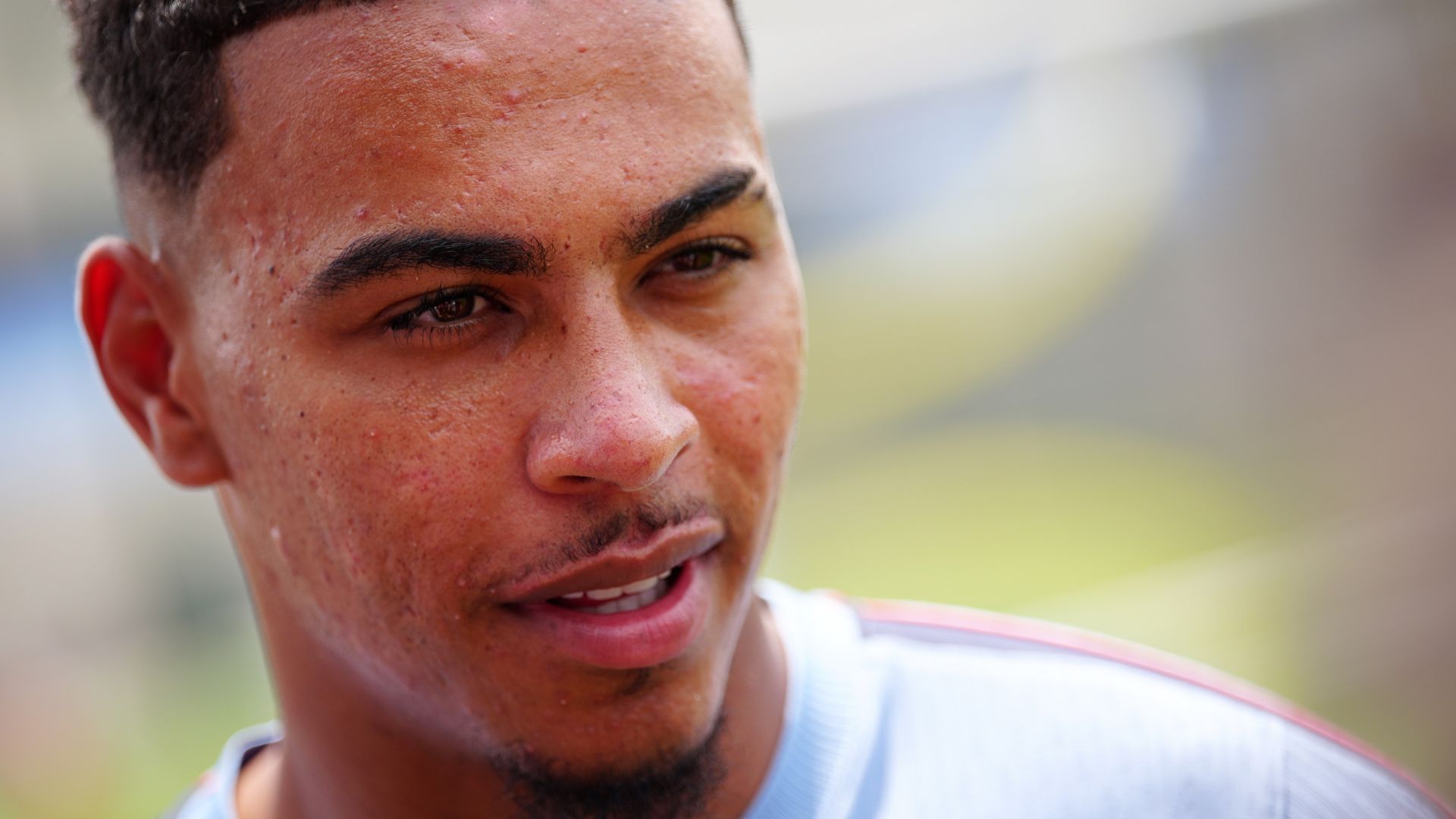
If you watched Wrobleski carve up the Phillies lineup, you might have wondered why he wasn't allowed to finish what he started. He had command. He had power. He had Philly hitters off balance all evening. But pushing a 26-year-old starter past his limit in July is how pitching rotations crumble by October.
The Justin Wrobleski formula and why pulling him early was right
Let's look at what Wrobleski actually did on the mound.
He went 6.1 innings, giving up just one earned run on five hits while striking out seven and walking only one batter. That single run came early, in the bottom of the first inning, when Bryce Harper doubled and Alec Bohm drove him home with a crisp line drive to left-center.
After that first-inning hiccup? Pure dominance.
Wrobleski relied heavily on his elevated fastball to blow past Philadelphia’s heavy hitters. Trea Turner couldn't touch it. The strikeout pitch was working, and the lefty looked comfortable pitching on short notice after getting bumped up in the rotation.
When Dave Roberts emerged from the dugout in the bottom of the seventh with one out, Wrobleski’s pitch count was still reasonable. Many managers would have let him keep rolling, especially with the middle of the Phillies order lurking. Roberts didn't hesitate. He called upon Evan Phillips to handle the leverage situation.
Why make the move?
Because workload fatigue is real. Wrobleski came into this game with a 10-2 record and an ERA hovering at 2.69 across over 100 innings pitched this season. That is already uncharted territory for a young starter who wasn't counted on to carry a top-of-the-rotation workload when spring training began.
Every extra ten pitches in July contextually equals a mile of wear on an arm in October. The Dodgers have seen their rotation get decimated by injuries during previous postseason runs. They know how brutal the attrition rate is for major league starters. Leaving Wrobleski out there to grind through 100-plus pitches just to earn a personal quality start stat would be short-sighted.
Max Muncy provides the spark against Zack Wheeler
You can't talk about this game without giving credit to Max Muncy, who delivered the single most important swing of the night.
Zack Wheeler was doing what Zack Wheeler normally does. The Phillies ace entered the night with a stellar 10-1 record and a 2.13 ERA, looking every bit like a Cy Young contender. For three innings, Wheeler held the Dodgers hitless and made Los Angeles look completely lost at the plate.
Then came the top of the fourth inning.
With one out, Muncy stepped into the box facing a 1-0 count against Wheeler. Wheeler tried to get cute with a pitch over the heart of the plate, and Muncy didn't miss it. He launched a deep fly ball straight away to center field, clearing the wall near the trees for his 19th home run of the season.
That two-run shot flipped a 1-0 deficit into a 2-1 lead. In a game where offense was at a premium, that single swing supplied all the run support Wrobleski and the bullpen needed.
Muncy’s home run also highlighted an ongoing pattern for the Dodgers offense this season. They don't always need ten hits to beat you. They just need one mistakes pitch from an elite starter, and they have the power to punish it instantly.
Wheeler pitched great, going deep into the game himself, but that one pitch to Muncy ended up costing Philadelphia the entire contest.
The bullpen relay and ninth-inning madness
Once Wrobleski exited, the game turned into a high-wire act for the Los Angeles bullpen.
Evan Phillips came in to shut down the seventh inning, working smoothly to keep the one-run lead intact. In the eighth, Roberts handed the ball to Tanner Scott. Scott ran into some traffic, but his swing-and-miss ability kept Philadelphia from leveling the score.
Then came the ninth inning, which descended into absolute chaos.
The Phillies got a runner on base and pushed him all the way to third with only one out. Citizens Bank Park was roaring. It felt like a classic Philadelphia comeback was brewing in the damp night air.
What happened next was one of the strangest game-ending plays you'll see all season.
With two runners on, a ground ball to third base resulted in a bizarre rundown between third and home. Instead of staying put or getting safely back to the bag, the Phillies baserunners got completely hung up. The Dodgers defense executed the rundown flawlessly, slapping the tag down and doubling up the trail runner who had advanced too far.
Game over. Dodgers win 2-1.
Philadelphia’s aggressive baserunning backfired horribly. Instead of holding third base with two outs and giving their next hitter a chance to drive in the tying run, they handed Los Angeles two quick outs on a silver platter.
Roster moves and the harsh reality of pitching depth
Winning games like this requires a constant shuffling of the roster behind the scenes. Hours before first pitch, the Dodgers made several key moves to protect their bullpen arms.
They called up left-hander Charlie Barnes from Triple-A Oklahoma City and optioned right-hander Landon Knack. To clear space on the 40-man roster, they moved catcher Will Smith to the 60-day injured list. While Smith’s placement on the 60-day IL sounds alarming, it reflects news from earlier in the week confirming he won't be back until at least mid-August.
This churn of middle relievers and depth starters is essential for surviving the summer grind.
When you look at how the Dodgers construct their pitching staff, they treat the 26-man roster as a dynamic, fluid organism. They rotate fresh arms in from Oklahoma City to swallow innings when the primary bullpen options get overworked. That strategy directly enabled Roberts to pull Wrobleski early in the seventh inning. He knew he had fresh relief options sitting in the bullpen ready to go.
The Phillies, on the other hand, pushed Wheeler hard and relied on bullpen pieces like Jose Alvarado and J.P. Bowlan late in the game. While Wheeler stayed effective, the lack of late-game offensive execution ruined what should have been a signature victory for Philadelphia.
What this game reveals about the National League pennant race
Let's step back and look at the big picture across the National League.
The Dodgers sit at 63-38, holding a firm grip on top spot in their division and competing for the best record in baseball. The Phillies are 56-45, holding their own in a tough playoff race but occasionally showing flaws in high-stress execution.
When these two teams meet, it feels like an October preview. Both squads possess elite rotations, explosive middle-of-the-order bats, and passionate fan bases.
The main difference in this game was procedural discipline.
Los Angeles made the right strategic moves at every turn:
- They managed their young starter's pitch count before he hit a wall.
- They capitalized on the one major mistake pitch offered by an opposing ace.
- They executed under pressure during a chaotic defensive situation in the final frame.
Philadelphia made critical errors:
- They failed to advance runners in key situational hitting spots.
- They made a fatal baserunning mistake in the bottom of the ninth with the tying run ninety feet away.
These subtle operational differences separate good teams from championship teams when games get tight late in the summer.
How the Dodgers should manage Wrobleski moving forward
If you're managing Justin Wrobleski for the remainder of the regular season, here is the roadmap Los Angeles needs to follow to maximize his output for the postseason.
First, stick to a strict six-day rotation schedule whenever the calendar allows. Off-days in August should be used to give Wrobleski extra rest rather than moving him up to pitch on standard four-days rest.
Second, set a hard cap on his pitch counts. Keeping him between 80 and 90 pitches per outing—regardless of how well he is pitching—prevents the physical regression that often hits young starting pitchers in September.
Third, don't be afraid to utilize phantom IL stints or brief triple-A options to give him a full two-week breather in late August. Giving his arm a brief pause before the September stretch run will pay massive dividends when playoff baseball begins.
The Dodgers didn't just beat the Phillies 2-1 on a rainy Tuesday night in Philadelphia. They proved that smart, long-term roster strategy still trumps short-term impulse every single time.