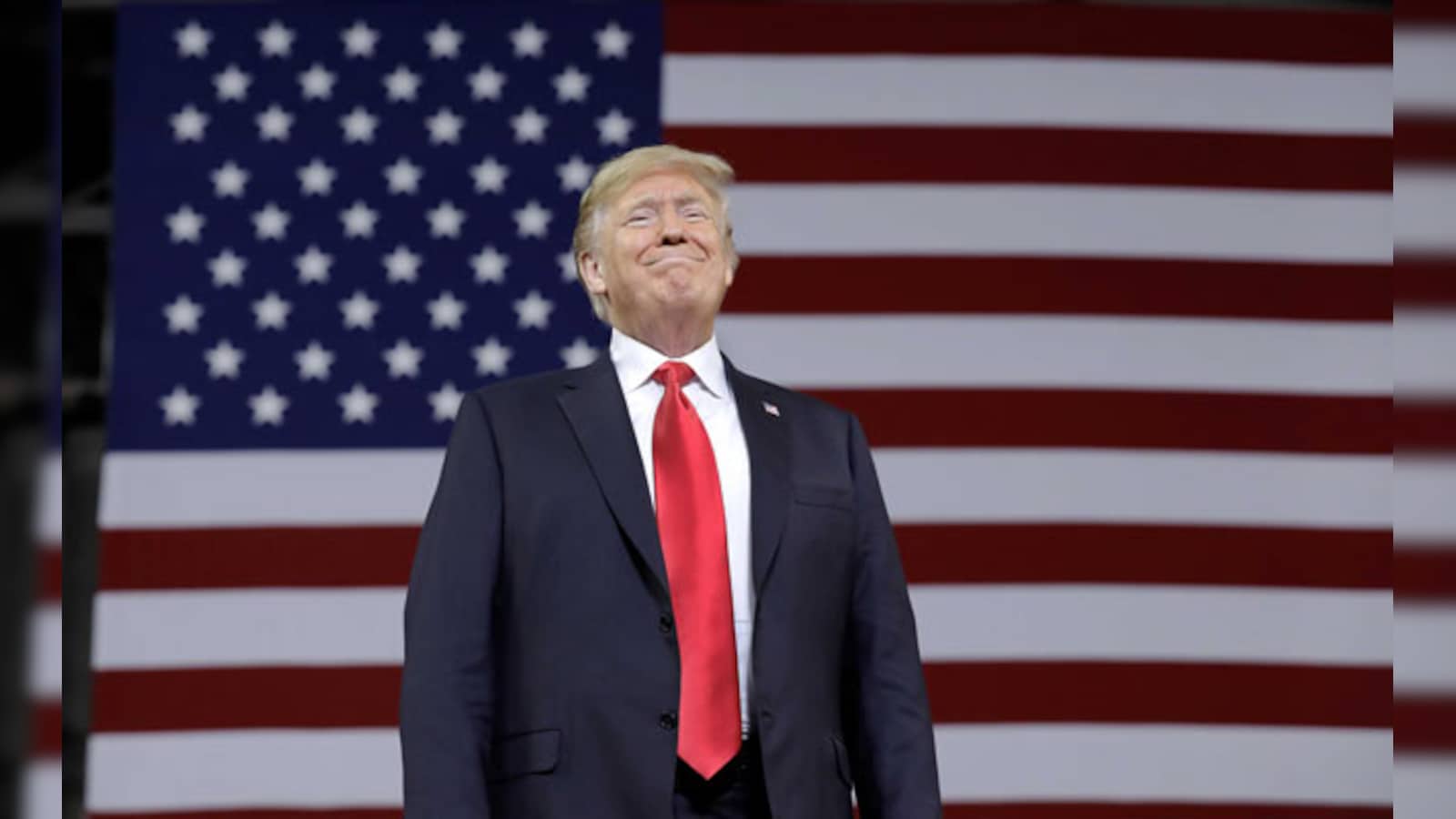
The political marriage between Donald Trump and the Make America Healthy Again movement was always a ticking time bomb. It was a alliance built on a shared hatred of the political establishment, but it completely ignored a massive elephant in the room. You can't easily merge a populist movement obsessed with banning food dyes and seed oils with an administration fundamentally dedicated to corporate deregulation.
Now, the cracks are split wide open.
Across social media networks, wellness forums, and suburban neighborhoods, the online coalition of health-conscious parents known as "MAHA Moms" is actively breaking up with the administration. They feel used. They feel lied to. They feel like political pawns in a game that ended the moment the votes were counted.
The immediate catalyst for this public split isn't a secret. It lies in a rapid succession of policy decisions where the administration chose chemical companies, big tobacco, and agricultural conglomerates over the promises made on the campaign trail. For a movement that believed Robert F. Kennedy Jr. would have a free hand to clean up the American food and health system, the reality of corporate governance has been a brutal wake-up call.
The Corporate Squeeze Play That Broke the Trust
To understand why these voters are abandoning ship, you have to look at what just happened in Washington. The latest blow landed when the Supreme Court ruled in favor of industry giants in a massive environmental liability case. The Justice Department didn't just stand on the sidelines. They actively backed the chemical manufacturers, helping secure a shield against liability claims involving cancer-linked pesticides.
For MAHA moms who spend hours scanning grocery labels for toxic ingredients, this felt like an absolute betrayal.
It wasn't an isolated incident. Just a month earlier, the administration rolled back previous restrictions on perfluoroalkyl and polyfluoroalkyl substances, better known as PFAS or "forever chemicals," in public drinking water. These chemicals linger in the human body and have been tied to serious issues like infertility and immune system disruption. The rollback was a massive win for major corporate donors, but a total slap in the face to families who voted for a cleaner environment.
Then came the showdown over tobacco regulations. The Food and Drug Administration saw its top leadership shuffled after resistance to fast-tracking flavored vapes and nicotine products. When corporate interests clashed with health goals, the health goals lost. Every single time.
Who Are the MAHA Moms and Why Do They Matter
The political world often treats suburban mothers as a monolithic swing vote, giving them labels like "security moms" or "soccer moms." The MAHA mom is the latest iteration, and she is incredibly influential.
These are not traditional partisan voters. Many of them voted for Barack Obama, flirted with progressive wellness culture, grew deeply skeptical of government agencies during the pandemic, and ultimately found a home in the alternative health spaces of Substack and podcasts. They worry about skyrocketing autism rates, chronic illnesses, childhood obesity, and the sheer volume of synthetic dyes in American cereal.
When Kennedy joined forces with the populist right, he brought millions of these mothers with him. They provided a crucial bridge to voters who found the standard partisan rhetoric exhausting. They genuinely believed that a second term would mean an aggressive, uncompromising war on ultra-processed foods and corporate pollution.
Instead, they got business as usual wrapped in populist packaging.
Prominent leaders within the wellness movement are openly expressing their anger. Vani Hari, widely known as the "Food Babe," publicly declared that the administration has essentially washed its hands of their priorities after bowing to chemical and agricultural lobbying. Influencers who built massive audiences teaching mothers how to find chemical-free clothing and organic food are telling their followers they won't back this administration again. The loyalty was to the cause, not the party.
The Impossible Position of Health Secretary Kennedy
At the center of this storm sits Health Secretary Robert F. Kennedy Jr., trying to balance on a high wire that gets thinner by the day.
On one hand, his agency is pushing forward with visible, symbolic victories to keep the base happy. The agency has launched initiatives targeting psychiatric overprescribing and has encouraged states to seek waivers to restrict high-sugar beverages and candy from the Supplemental Nutrition Assistance Program. Some states have run with this. Iowa recently signed legislation restricting food dyes in school meals and limiting digital screen time for young students, while Montana moved to restrict high-sugar items from food assistance benefits.
These actions look great in a press release. They keep the core MAHA message alive in localized pockets.
On the other hand, the bigger structural battles are being lost behind closed doors. Kennedy has spent significant political capital fighting battles that alienate the broader medical establishment while failing to deliver on the core consumer protection promises that motivated his base. His public disputes with scientific journals over retracted research papers win him applause among hardcore anti-vaccine activists, but they do absolutely nothing to stop the flow of industrial pesticides into the American diet.
The fundamental conflict is structural. You cannot run a Department of Health and Human Services aimed at aggressive regulation when the White House is simultaneously dismantling the regulatory authority of federal agencies to please big business. The two goals are completely incompatible.
What Happens When a Movement Loses Its Political Home
The breakup between the wellness movement and the populist right leaves a massive, politically homeless voting bloc heading toward the next election cycles.
These voters are highly motivated, well-funded through alternative media ecosystems, and deeply distrustful of mainstream institutions. They aren't going to simply crawl back to the political left, where they still feel alienated by mainstream public health policies. But they are done showing up for a populist movement that ignores them the second it steps into the Oval Office.
The next steps for the wellness movement won't be found in organizing political rallies or tailing campaign buses. The power is shifting back to grassroots consumer pressure and state-level policy fights.
If you want to actually protect your family from corporate food and chemical interests right now, stop waiting for Washington to save you. Here is the blueprint for navigating this environment without relying on political promises.
Focus your energy entirely on local supply chains. Buy directly from regional farmers who are transparent about their pesticide use, bypassing the industrial agricultural system entirely.
Fund independent testing organizations that verify clean water and clean food, rather than trusting federal regulatory baselines that are constantly subject to political rollbacks.
Push for change at the state and municipal level. The actions in Iowa and Montana prove that state legislatures are far more responsive to organized parental groups than a federal government captured by multi-billion-dollar lobbying firms.
The illusion of a quick federal fix for America's chronic health crisis is officially dead. The real work happens at home, in your local community, and with your wallet. Political figures will always sell out health for corporate cash. Stop giving them the power to disappoint you.