A Sudden Open Door at Seventeen Thousand Feet
The high Himalayan borders are quiet, frozen, and usually terrifyingly tense. But something just changed at the rooftop of the world. After six long years of dead silence, military standoffs, and rusted padlocks, the historic Lipulekh Pass is suddenly open for business again.
Don't mistake this for a minor bureaucratic paperwork shuffle.
When the Indian government issued orders to restart commercial traffic through the Gunji-Lipulekh route, it signaled a massive shift in the freezing relationship between New Delhi and Beijing. This pass sits at a bruising 17,000 feet above sea level. It is the precise spot where India, Nepal, and the Tibet Autonomous Region touch. For six years, it was a ghost town. The 2020 Galwan Valley clash froze diplomatic channels, and the pandemic did the rest.
Now, the trucks are moving again. The traders are packing their bags. If you want to understand where the fragile peace between Asia's two nuclear giants is heading, you have to look at this high-altitude mountain pass.
The Real Money Behind the Mountain Pass
Let's look at the hard economics because sentimentality doesn't move cargo across mountain ranges. Local border merchants in places like Dharchula and Gunji have spent over half a decade watching their livelihoods dry up. This isn't corporate container shipping. It is raw, cross-border trade managed by traditional families who know these mountain tracks like the back of their hands.
Early economic estimates suggest the resumption of trade here will generate up to two billion rupees in annual revenue. That money goes straight into isolated border communities that have been starved of economic oxygen since 2019.
The reopening also restores customs infrastructure that lay dormant for decades. We are talking about the exchange of local textiles, gur, jaggery, and traditional tools going up into Tibet, with raw wool, borax, and salt coming down. It's practical trade that builds real-world dependence between communities on opposite sides of a heavily militarized line. When people rely on each other to eat and make a living, pulling triggers becomes a lot harder.
The Pilgrim Route and the Cultural Cord
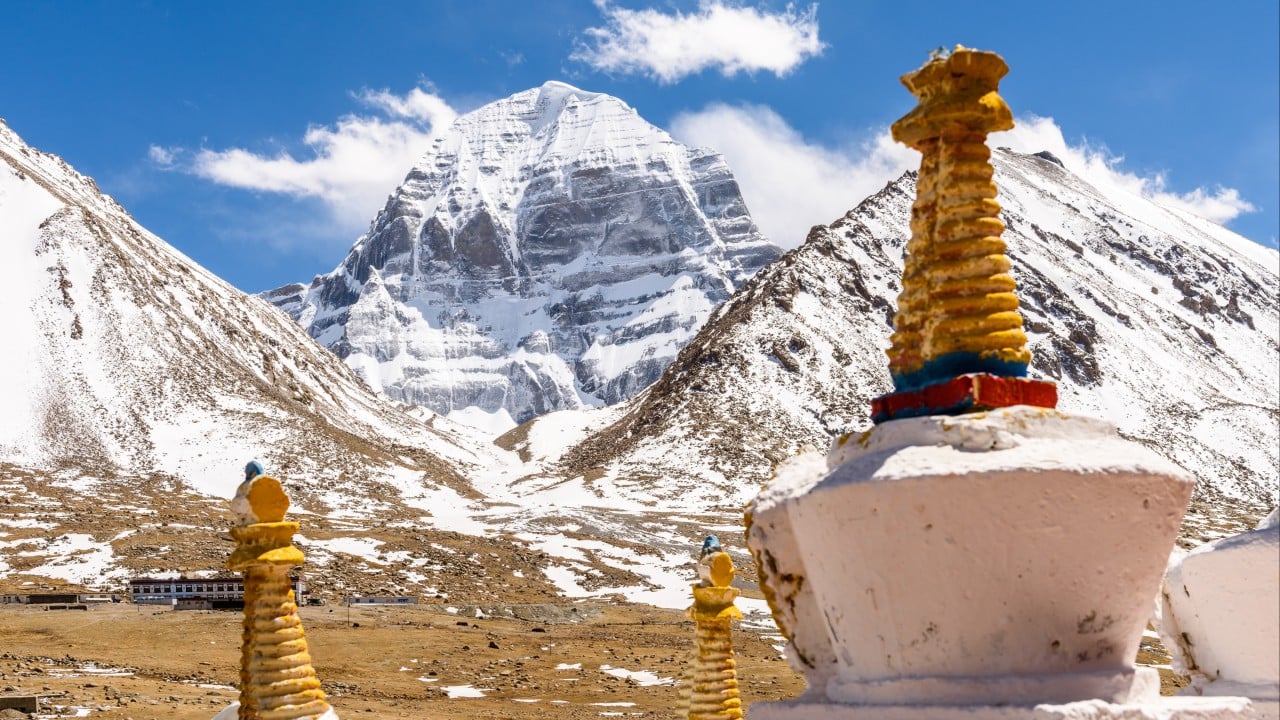
For regular people, this pass is about something much deeper than trade revenue. Lipulekh is the shortest, most accessible pathway for Indian pilgrims traveling to Mount Kailash and Lake Manasarovar in Tibet.
When the border slammed shut, thousands of people lost their chance to make a journey of a lifetime. The alternative routes through Sikkim or Nepal were either astronomically expensive or physically grueling. By opening the gates at Lipulekh, Beijing is extending a cultural olive branch that resonates deeply with the Indian public.
It's a calculated move. China knows that easing the path for religious pilgrimages generates immense goodwill among ordinary citizens. This isn't just about diplomacy between diplomats in air-conditioned rooms in Beijing and New Delhi. It is about easing the daily realities of people who live and pray along these frontiers.
The Geopolitical Fallout Beyond India and China
You can't talk about Lipulekh without talking about Nepal. This specific geographical tri-junction remains a delicate diplomatic point. Kathmandu has historically raised concerns about sovereignty over the surrounding area, pointing to old treaties to assert its own claims.
By pushing forward with the reopening, India and China are demonstrating a shared desire to manage their borders directly, sometimes leaving neighboring capitals scrambling to adjust.
Then there is Bhutan. For the last few years, Beijing has been steadily working to resolve its own border disputes with Thimphu, trying to expand its footprint in the eastern Himalayas. India's decision to reopen the Gunji border trade shows New Delhi is confident enough to engage with China commercially without losing its strategic footing among its traditional allies. It is a balancing act on a razor-thin ledge.
Cautious Steps in a Long Thaw
Is everything fixed between India and China? Absolutely not.
Tens of thousands of troops remain deployed facing each other across the Line of Actual Control. The military infrastructure built up since the 2020 face-off isn't going anywhere. But look at the recent patterns. We see Indian diplomats meeting with state run Chinese media representatives like Xinhua in Beijing to rebuild frozen communication channels. We hear talk of direct flights restarting. We see tourist visas being discussed again.
The Lipulekh reopening is the most visible piece of this complex puzzle. It shows both sides realize that total isolation is unsustainable. They are moving toward a state of managed coexistence. They are choosing areas of mutual economic benefit to test the waters before addressing the brutal security issues that still linger in Ladakh.
What Happens Next on the Border
If you are tracking this situation, the next few months are critical. Watch the physical volume of goods moving through the Gunji customs station. The speed at which pilgrim batches are approved for the Kailash Mansarovar Yatra will tell you exactly how real this diplomatic thaw is.
For businesses and observers, the next steps are clear.
First, watch the upcoming BRICS summit closely. Face-to-face meetings between top leadership will determine if this Himalayan opening expands into broader economic agreements or stays confined to local border trade.
Second, monitor how local infrastructure handles the sudden influx of commercial vehicles. The roads leading up to Dharchula have been upgraded significantly, and their performance under heavy trade traffic will show if India can sustain high-altitude commerce over the long haul.
The ice is melting in the Himalayas, but the ground underneath remains incredibly rocky.