You might hear some good news today. Don't get too excited.
The government is releasing its latest consumer price index report, and on paper, the numbers look like a major victory. For the first time in nearly four years, consumer prices actually dropped month-over-month. Economists expect the data to show a 0.2% decline for June. That pull-back drags the annual inflation rate down to 3.9%, a welcome drop from the 4.2% we saw in May.
It feels like a win. It isn't.
The entire decline is a mirage built on falling gas prices that bottomed out earlier this summer. But while those numbers were being compiled, the geopolitical ground shifted. The temporary ceasefire in the Middle East collapsed. Now, the US and Iran are locked in a high-stakes standoff over the Strait of Hormuz, oil prices are climbing, and that brief moment of consumer relief is already ancient history.
If you're trying to figure out where your household budget is heading this fall, looking at today's inflation report is like staring in the rearview mirror while speeding toward a cliff.
The Strait of Hormuz Standoff and Your Wallet
To understand why your next trip to the pump is going to hurt, you have to look at the Persian Gulf. On Monday, Brent crude oil shot up 9.6% to $83.30 a barrel. This sudden spike happened because both Washington and Tehran claimed absolute control over the Strait of Hormuz.
This narrow waterway is the world's most important oil transit choke point. Millions of barrels of oil pass through it every single day. When the US threatens blockades and Iran retaliates, shipping companies don't wait around to see who is bluffing. They halt transit, reroute ships, and insurance premiums skyrocket.
Traffic through the strait has already halved in a matter of weeks. That is a massive shock to global energy supplies.
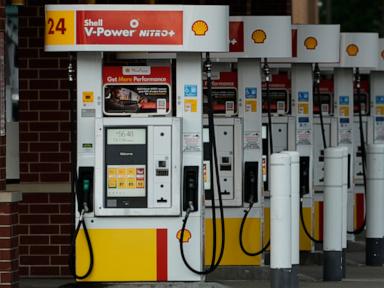
We are already seeing the fallout at home. National average gas prices crept back up to $3.87 a gallon on Monday. That is a seven-cent jump in just one week. Sure, it is still lower than the painful $4.09 average from a month ago, but the downward trend has officially reversed. The cheap fuel that pulled the June inflation numbers down is gone.
Why the Fed Isn't Celebrating Yet
This rebound in oil prices is a worst-case scenario for the Federal Reserve.
The central bank is desperate to bring inflation down to its 2% target. Kevin Warsh, who took over as Fed Chair on May 22, has an incredibly difficult task. He wants to stop raising interest rates to avoid choking the economy, but his hands might be tied.
The real issue is core inflation. This metric strips out volatile things like food and energy to show the underlying trend. June's core inflation is expected to rise 0.2% from the previous month and 2.8% from a year ago. That looks stable, but it hides a worrying reality.
On Monday, Fed Governor Christopher Waller sounded the alarm. He pointed out that core inflation has actually been creeping upward this year, climbing from 3% in December to 3.4% in May under the Fed's preferred measure.
Waller didn't mince words. He warned that if we get another hot core inflation reading this week, the Fed will have to consider tightening monetary policy. In plain terms, another interest rate hike is back on the table. If you were hoping for a mortgage rate drop or cheaper car loans this year, you should probably throw those expectations out the window.
The Parts of Inflation Today's Report Misses
A lot of mainstream financial reports focus entirely on the headline numbers. They tell you inflation is cooling, and they leave it at that. That is incredibly misleading.
Two critical factors are keeping prices high, regardless of what gas does.
Service Prices are Sticky
Over two-thirds of service industries are still seeing prices rise by 3% or more compared to last year. Think about dry cleaning, dining out, car repairs, and health insurance. These businesses are paying higher wages to keep staff, and they pass those costs directly to you. A temporary drop in fuel prices doesn't make a restaurant owner lower the price of your dinner.
The Delayed Shipping Squeeze
The inflation report we are reading today is a snapshot of June. It does not reflect the supply chain chaos of the last week. When oil tankers and cargo ships are forced to take longer, more expensive routes around Africa to avoid conflict zones, freight rates surge. It takes months for those higher transport costs to trickle down to retail shelves. The clothes, electronics, and packaged foods you buy this autumn will carry the price tag of today's Middle East escalation.
What You Should Do Right Now
You can't control geopolitical conflicts or the Federal Reserve's interest rate decisions. But you can protect your own finances from this whipsaw economy. Stop relying on lagging government headlines and take these concrete steps.
- Delay big variable-rate borrowing: If you are planning a major purchase that requires a loan, wait if you can, or lock in a fixed rate immediately. Do not assume interest rates will drop by the end of the year.
- Stress-test your fuel budget: Assume gas prices will climb back toward the $4.10 range by late summer. Adjust your monthly savings goals or discretionary spending now to absorb that extra cost at the pump.
- Audit your service subscriptions: Since service inflation is the quiet driver of rising costs, look at where you are spending on conveniences. Trim the apps, streaming services, and premium subscriptions you don't use daily.
The June inflation drop was a nice breather, but it was just a pause. The reality of a prolonged energy conflict means the fight against high prices is far from over.