The federal government just lost a major battle in its war on student debt relief. In a dramatic last-minute decision, a federal judge blocked a sweeping rewrite of the Public Service Loan Forgiveness program. The changes were supposed to kick in tomorrow. Instead, they are completely dead in the water.
If you are one of the millions of teachers, nurses, or government employees counting on this program, you can breathe a massive sigh of relief. The court didn't just pause the new rules. It completely wiped them out.
This is a huge deal for anyone working in the public sector. The public service student loan forgiveness program has been a lifeline for over a million Americans. It promises to erase remaining federal student loan debt after ten years of qualifying public service work. The administration tried to insert rules that would let the government strip these benefits away based on political ideology. The courts saw right through it.
The sudden collapse of the public service loan overhaul
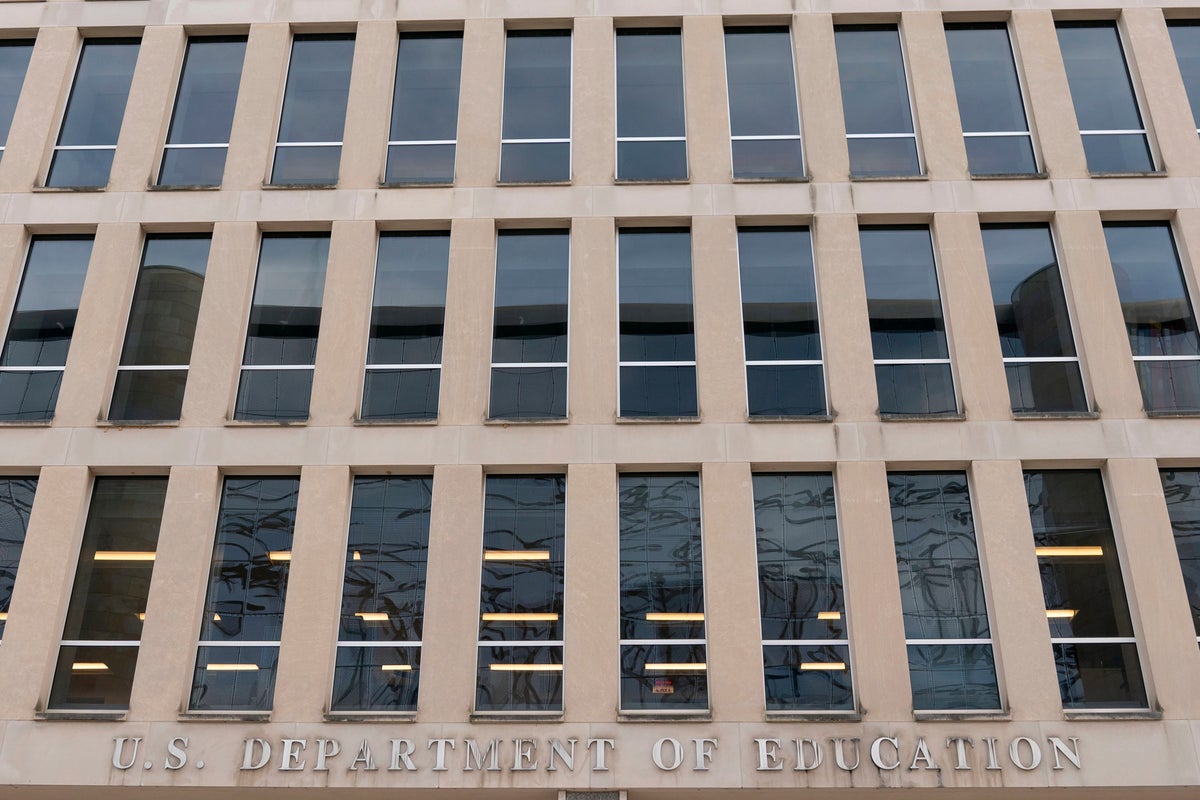
On Tuesday, U.S. District Judge Myong Joun in Massachusetts stepped in and vacated the U.S. Education Department's entire plan. The timing couldn't have been closer. The policy was scheduled to take effect on July 1, 2026.
A massive coalition fought back. More than 20 states, alongside a group of cities and non-profit organizations, filed lawsuits to stop the policy. They argued that the administration was trying to weaponize student debt relief.
The sheer scale of opposition to this policy was stunning. Over 100 supporting briefs were filed by outside groups challenging the rules. Do you know how many briefs were filed in support of the administration's policy? Zero. Not a single group stepped up to defend the changes in court.
Judge Joun ruled that the Department of Education completely overstepped its legal authority. He explicitly noted that the policy threatened to violate First Amendment protections for free speech. The executive branch cannot simply rewrite laws passed by Congress to punish organizations it dislikes.
What the Trump administration tried to change
The administration tried to introduce a vague and dangerous standard for employer eligibility. Under the proposed overhaul, workers would lose their student loan forgiveness eligibility if their employer was deemed to have a "substantial illegal purpose."
That sounds reasonable on the surface. Nobody wants the government subsidizing actual criminal enterprises. The devil was entirely in the details. The policy gave the education secretary unilateral power to decide which organizations were illegal.
The rule targeted non-profits and government groups that support causes at odds with the current administration's political priorities. It specifically allowed the government to exclude organizations involved in illegal immigration, supporting terrorist organizations, or what the administration labeled the “chemical castration” of children.
The administration defined that last phrase to include clinics and non-profits providing standard hormone therapy or drugs that delay puberty. This meant a nurse working at a public health clinic or a social worker at a youth non-profit could suddenly find their career track ruined and their loan forgiveness canceled. It was a blatant attempt to force employers to fall in line with a specific political agenda or lose their ability to recruit talent.
Why the federal judge threw out the rule
Judge Joun's ruling was incredibly direct. He didn't mince words about the illegality of the Education Department's actions.
First, he hammered the department for trying to act like a criminal court. The executive branch cannot invent its own criminal prohibitions through administrative rulemaking. If Congress hasn't passed a law defining something as a crime, an agency secretary cannot just make it up to deny people benefits.
Second, the judge pointed out the absurd hypocrisy in the administration's own data. The Education Department's paperwork estimated that fewer than ten employers nationwide would actually be barred under these rules each year.
Think about that for a second. The judge openly questioned why a rule with such massive, terrifying consequences for millions of workers was necessary to address a problem that supposedly affects ten employers. The math didn't add up. The real intent was clear. It was designed to create a chilling effect across the entire public sector. It aimed to make non-profits terrified of losing their eligibility if they spoke out or offered controversial services.
The real impact on public service workers
Public sector jobs don't pay like the private sector. Teachers, public defenders, and social workers accept lower salaries because they want to serve their communities. The promise of debt discharge after ten years is often the only thing making those low wages financially viable.
If these rules went live, the entire system would crumble. Non-profits and local governments would struggle to hire college graduates. Young professionals would flee to corporate jobs out of fear that a sudden policy shift could wipe out their progress toward loan forgiveness.
The court recognized this systemic threat. By vacating the rule, the judge protected the financial future of over a million borrowers who are currently tracking their 120 required monthly payments. Your progress is safe. Your employer's status hasn't changed.
How to protect your student loan forgiveness status right now
The legal system protected borrowers this time. You still need to be proactive to ensure your paperwork is flawless. Do not leave your financial freedom to chance.
- Submit your employment certification form immediately. Do not wait until you hit your tenth year of service. Submit the Public Service Loan Forgiveness employment certification form every single year. You should also submit a new one whenever you change jobs. This forces the Department of Education to officially verify that your employer qualifies.
- Keep meticulous records of your payments. Log into your loan servicer portal and download your complete payment history. Do it today. Servicers change, data gets lost, and systems glitch. You need concrete proof of every single on-time payment you make.
- Confirm your repayment plan type. To qualify, you must be enrolled in an income-driven repayment plan or the standard ten-year repayment plan. Many borrowers mistakenly think they are earning credits while on the wrong payment plan. Double-check your status on the official federal student aid website right now.
- Monitor federal policy shifts. The legislative landscape surrounding student loans is highly unstable in 2026. While this specific rule was struck down, the administration will likely try other avenues to restrict debt relief. Stay informed so you can adapt your strategy.
Log into your account at StudentAid.gov. Verify that your current employer is still listed as eligible in the official database. Submit your annual certification form to lock in your progress before any further legal battles emerge.