Two foreign nationals thought they were flying to Lahore to close a lucrative Web3 business deal. Instead, they walked straight into a nightmare.
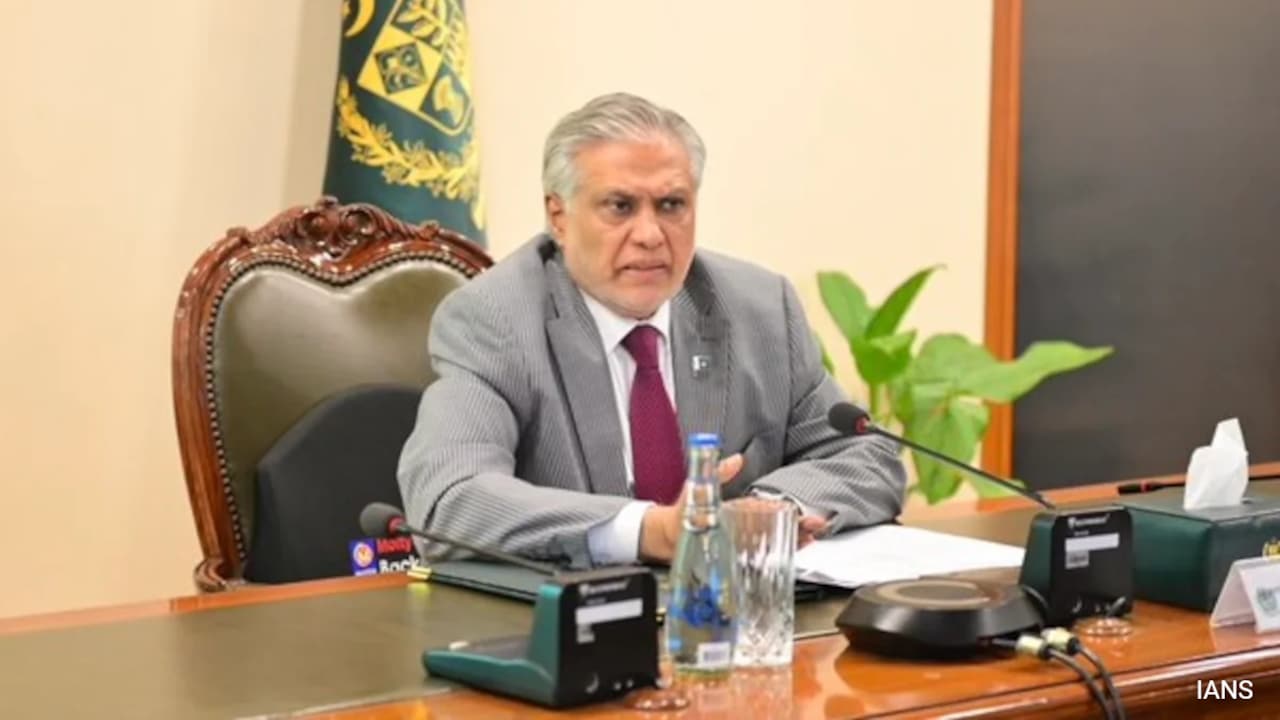
The arrest of Muhammad Raza Dar—the grandson of Pakistan's Deputy Prime Minister and Foreign Minister Ishaq Dar—alongside three co-conspirators has sent shockwaves through both the international diplomatic community and the global crypto industry. It isn't just a local crime story. It's a terrifying look at how digital assets are shifting the dynamics of targeted violent crime, extortion, and political cover-ups.
When you look past the sensational headlines, you find a calculated trap that leveraged the trust-building nature of the crypto space to lure victims across international borders.
The Singapore Connection and the Lure of a Fake Venture
The trap was set months before anyone stepped foot in Pakistan. In October 2025, Astrid Gabriela Robinson Bracho, a Venezuelan national, and her colleague, a Dutch national, met Muhammad Raza Dar in Singapore.
Singapore is a global hub for Web3 and digital finance. It's exactly where you go to pitch ideas, secure funding, and meet partners. Dar presented himself as a legitimate player in the space. He wasn't just some random internet entrepreneur either. He carried the immense social capital of one of Pakistan's most powerful political dynasties.
The three agreed to collaborate on a cryptocurrency business venture involving an estimated $1.5 million. To cement the deal, Dar arranged official business visas for the two women, inviting them to Lahore to finalize their operations. They arrived on June 29, 2026. They expected a standard corporate visit.
They were abducted almost immediately after leaving the airport.
Inside the House of Horrors
According to sworn statements recorded under Section 164 of Pakistan’s Criminal Procedure Code, the victims were driven to a secluded house, tied up, and locked in a room.
This wasn't a standard kidnapping for quick cash. The attackers knew exactly what they were looking for. The primary target was the digital infrastructure holding their crypto assets.
Astrid Bracho testified that Raza Dar repeatedly demanded access to their computers and private keys. "They asked where the computer with the money was, and I told them it was in the green bag," she recounted to the judicial magistrate. While one group of men worked to extract passwords and keys to drain the $1.5 million venture, a brutal secondary assault began.
Bracho testified that she was taken to a second-floor bedroom where she was gang-raped by two men while a third stood guard holding a rifle.
The psychological leverage was total. Give up the keys, or the violence escalates.
The extortion didn't stop at the local wallets. The captors forced the women to contact their families abroad to demand an additional cash ransom. The breakthrough came when the father of one of the survivors, located in Spain, received the frantic distress call and managed to contact international authorities, who alerted the Lahore police.
Before the rescue operation could fully execute, the captors successfully extorted $100,000. Bracho's statement confirms that after Dar confirmed receipt of the $100,000, he returned their passports and dropped them off near the airport to flee the country.
High-Stakes Politics Meets a Digital Probe
Lahore police have since arrested four men: Muhammad Raza Dar, Hassan Raza, Sikandar Khan, and Sajid Ali. A fifth suspect remains at large. A Lahore court granted a five-day physical remand to allow police to recover the weapons used and track the trail of the extorted funds.
Suspect Status Matrix (Lahore Police Department Data)
-------------------------------------------------------------------------
Suspect Name        | Role Specified in FIR     | Current Legal Status
-------------------------------------------------------------------------
Muhammad Raza Dar   | Prime Suspect / Kin to DPM| 5-Day Police Remand
Hassan Raza         | Co-Conspirator            | 5-Day Police Remand
Sikandar Khan       | Co-Conspirator            | 5-Day Police Remand
Sajid Ali           | Co-Conspirator            | 5-Day Police Remand
Unidentified No. 5  | Armed Guard / Assailant   | Absconding / At Large
-------------------------------------------------------------------------
The political fallout here is massive. Senior police officials admit the case is incredibly sensitive because the prime suspect is directly tied to Deputy Prime Minister Ishaq Dar. In Pakistan, the influence of the political elite often derails criminal prosecutions. Local media reports indicate that the two victims left Pakistan immediately after recording their judicial statements due to safety concerns.
That's a massive problem for the prosecution. If the survivors aren't physically present to testify during the formal trial, the defense will almost certainly exploit their absence to tank the case.
The Changing Face of Physical Crypto Crime
For years, the biggest threat in Web3 was a smart contract exploit or a phishing link. Not anymore.
This case highlights a dangerous trend: physical asset extraction. Because crypto transactions are instant, irreversible, and potentially worth millions, criminals are bypassing complex code hacks entirely. They're just holding people hostage until they type in a password.
If you travel internationally for digital asset business, you need to change how you operate.
- Never mix status with security: Just because someone belongs to a prominent family or holds political power doesn't mean they're safe. Elites in developing economies often operate with a sense of complete legal immunity.
- Use multi-sig and timelocks: Never travel with a device that has direct, single-signature access to large corporate pools of capital. If you can't move the money immediately under duress, the incentive to torture you for the password drops significantly.
- Set up duress accounts: Keep separate, lower-value wallets on your travel devices. If you're forced to unlock a phone, give them access to an account that looks real but holds a fraction of your capital.
- Vetting requires local context: Don't rely on connections made in neutral zones like Singapore or Dubai. If an asset deal requires you to travel to a high-risk jurisdiction, handle the final compliance and signatures virtually, or meet in a secure third country.
The Lahore case shouldn't be dismissed as a freak occurrence. It's a blueprint for a new wave of violent extortion targeting international founders. Treat your physical security with the exact same paranoia you use for your smart contracts.