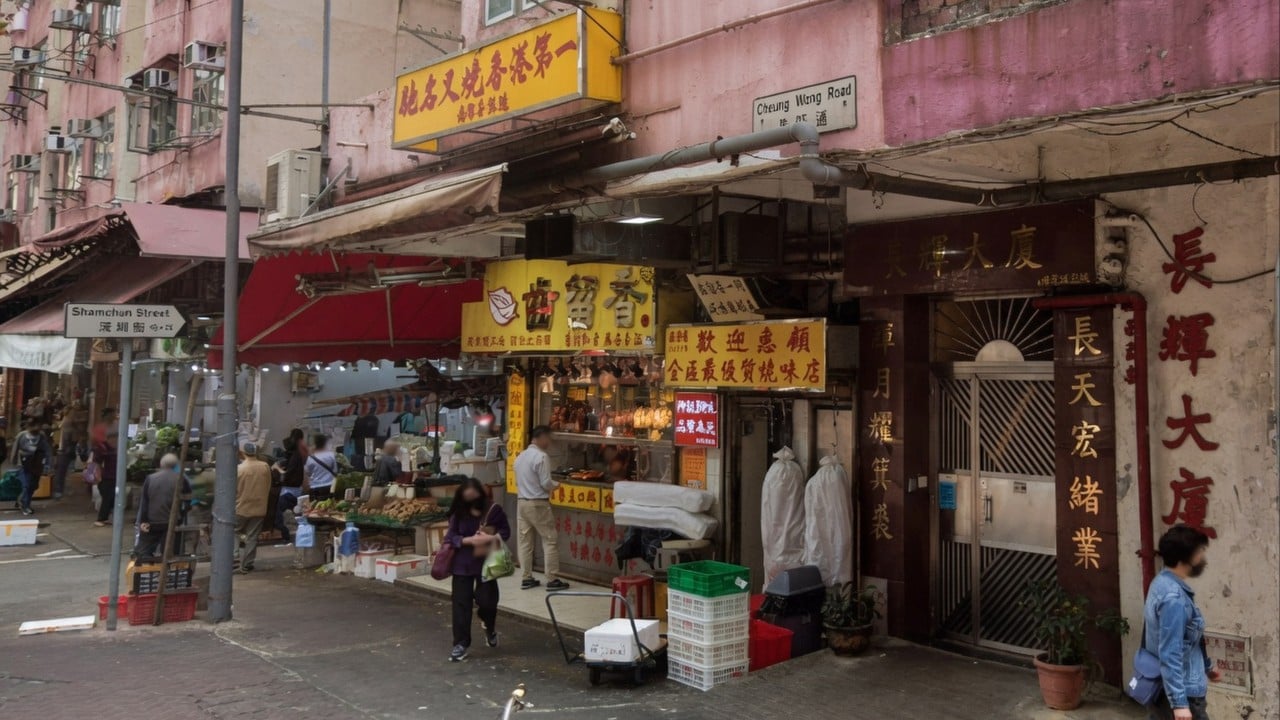
A quiet afternoon in Mong Kok shattered on July 1, 2026, when a bloody altercation inside a high-density residential building left one man dead and two others in handcuffs. The shocking details emerged after a emergency call reporting a frantic scissors attack quickly morphed into a full-scale homicide investigation. When the dust settled, the situation looked entirely different from what the initial caller described to emergency dispatchers. This fast-moving case where Hong Kong police arrest 2 after man dies following dispute at flat exposes the grim intersection of illicit substances, violent disputes, and the hidden dangers lurking within Hong Kong's older neighborhoods.
The incident kicked off just before 3:00 PM inside a flat at Cheong Fai Building, located at 22 Tong Mi Road. A 35-year-old tenant dialed 999, claiming his 45-year-old friend was actively attacking another 58-year-old acquaintance with scissors. Police rushed to the scene with tactical shields, braced for a bloody assault. Instead, they stumbled into a bizarre, tragic crime scene that raised more questions than answers. If you enjoyed this piece, you should read: this related article.
Inside the Tong Mi Road Flat Case
When the police entered the living room of the Mong Kok apartment, they found the 45-year-old victim completely naked, unconscious, and barely breathing. Paramedics scrambled to save him, performing emergency resuscitation as they rushed him to Kwong Wah Hospital in Yau Ma Tei. It was too late. Doctors pronounced him dead at 3:46 PM.
The tenant told officers he got hurt trying to break up the fight. But the physical evidence did not back up his story. A preliminary medical examination of the body revealed no deep puncture wounds from scissors and no severe bleeding. The victim had only minor scrapes and bruises on his head, arms, and legs. This glaring contradiction forced detectives to completely rethink what happened in that room. For another angle on this development, see the latest update from USA Today.
Timeline of the Mong Kok Incident (July 1, 2026)
2:50 PM - Emergency call received regarding a scissors fight.
2:51 PM - First responders arrive at 22 Tong Mi Road.
3:46 PM - Victim is pronounced dead at Kwong Wah Hospital.
5:00 PM - Suspects escorted out in black hoods; drug stash found.
The plot thickened when investigators searched the flat. They uncovered a hidden cache of suspected illegal drugs. Suddenly, a simple dispute among friends looked like a drug-fueled nightmare. Authorities immediately upgraded the case from assault to murder. They arrested both the 58-year-old alleged attacker and the 35-year-old tenant who made the original emergency call.
Why the Hong Kong Police Arrest 2 After Man Dies Following Dispute at Flat Matters
This case highlights a major trend in local crime. Mong Kok remains a hotspot for under-the-radar criminal activity because its dense, older buildings offer the perfect cover. Subdivided flats and older walk-ups frequently house unlicensed businesses or illegal drug dens.
When you look at cases like this, the initial narrative is almost always a lie. The caller tried to frame the situation as an unprovoked attack by one friend on another, casting himself as the heroic peacemaker. The presence of illegal drugs and a naked, dying victim tells a completely different story. Investigators must now figure out if the victim suffered a drug overdose during the struggle or if the minor physical injuries somehow triggered a fatal medical event.
The decision to arrest the caller is a classic tactical move by the Mong Kok District Criminal Investigation Team. In Hong Kong, if you lie to the police or try to cover up a crime that results in a death, you will face joint liability. The police aren't taking chances. They are treating both survivors as active participants until the post-mortem examination provides concrete answers.
The Complications of Upgrading an Investigation to Murder
Upgrading a charge from assault to murder changes everything for a legal team. It shifts the burden of proof dramatically. The prosecution cannot just prove a fight happened. They have to prove intent or severe negligence that directly caused a life to end.
The lack of obvious lethal wounds makes this incredibly difficult. If the post-mortem reveals the victim died of a heart attack or an overdose brought on by the stress of the fight, the defense will argue it wasn't murder. They will push for manslaughter or simple assault. The Mong Kok detectives are combing through the seized drugs to see if forced ingestion played a role.
Neighborhood security is a growing worry for residents in Kowloon West. Old buildings like Cheong Fai Building lack modern security systems, digital locks, or proper security guards. This makes it incredibly easy for non-residents to slip in and out undetected, turning residential floors into dangerous spaces for families living next door.
What You Should Do If You Suspect Illegal Activity Next Door
Don't wait for a tragedy to happen before you take action. If you live in an older building and notice strange behavior, protect yourself and your neighbors by taking these direct steps.
- Document everything anonymously. Note the times of heavy foot traffic, strange smells, or loud arguments without confronting anyone directly.
- Report directly to the District Crime Squad. Skip the general inquiries and contact your local district's criminal investigation branch to ensure your tips reach detectives who handle organized crime and drugs.
- Push for building management updates. If your building has an active owners' corporation, demand better lighting in hallways and the installation of high-definition security cameras at entry points.
The exact cause of death for the 45-year-old man remains a mystery until the coroner finishes the autopsy. Keep your eyes on the official police press releases over the coming days as toxicological reports reveal what really happened inside that Mong Kok living room. Stay vigilant, look out for your community, and report suspicious activities before disputes turn fatal.