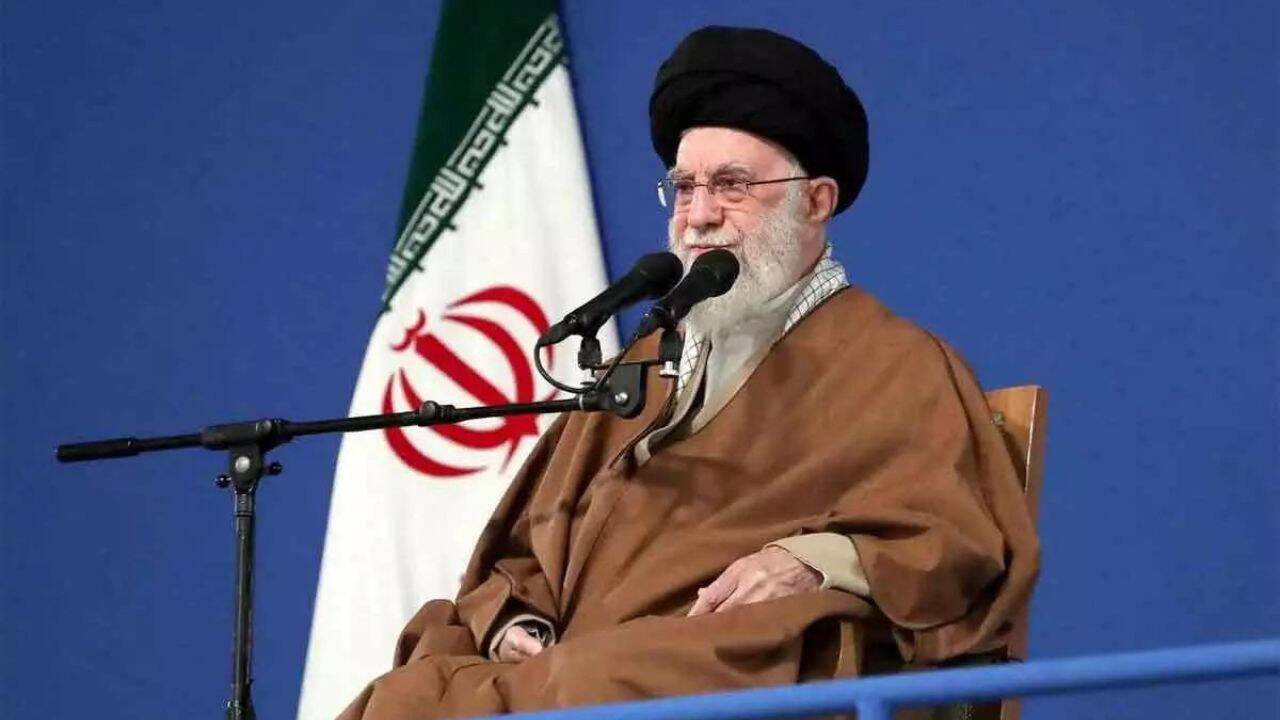
A state funeral is rarely just about mourning. It's a calculated staging of global power, a headcount of alliances, and a public ledger of who stands with you when the chips are down. As Tehran prepares for the final rites of Ayatollah Ali Khamenei following his assassination, the official RSVP list isn't just low-profile. It's an indictment of the Islamic Republic’s severe diplomatic gridlock. When your most enthusiastic guests are non-state militias and designated proxy forces, the reality is impossible to hide. Iran is standing increasingly alone on the world stage.
The optics are brutal for the new supreme leader, Mojtaba Khamenei. Tehran desperately needed a massive show of international solidarity to validate the regime's continuity after a devastating war. Instead, the Khamenei funeral attendance shows a sharp rift between Iran's regional defiance and its actual diplomatic capital. The West is entirely absent, which was expected. What hurts the regime far more is how its supposed superpower allies and non-aligned economic partners have systematically downgraded their presence.
The Great Diplomatic Downgrade
Look past the state-media spin. Tehran announced that dozens of countries are sending delegations, but the caliber of those attendees tells the real story. Russia and China have spent years building an anti-Western bloc alongside Iran. Yet, neither Vladimir Putin nor Xi Jinping bothered to clear their schedules for Tehran.
China is dispatching a senior member of the National People’s Congress Standing Committee. It's a bureaucratic nod, not a show of deep geopolitical solidarity. Beijing loves cheap Iranian oil, but it despises regional instability that threatens maritime trade routes.
Moscow is sending a Security Council official rather than a top-tier executive leader. Russia relies heavily on Iranian drones for its own military campaigns, but Putin cannot afford to alienate other vital Middle Eastern partners like Saudi Arabia or the United Arab Emirates by appearing too tightly bound to a bleeding Iranian regime.
India’s decision to send a low-level delegation is perhaps the most telling blow. President Masoud Pezeshkian personally extended an invitation to Indian Prime Minister Narendra Modi. New Delhi politely declined, citing a pre-scheduled tour of Indonesia, Australia, and New Zealand. Instead, India sent a minister of state and a provincial governor.
New Delhi’s calculation is simple math. India has massive strategic stakes in the Chabahar port project in southeastern Iran, which acts as a gateway to Central Asia. But those interests don't outweigh India’s deep defense and technology ties with Israel, nor its burgeoning economic partnerships with the Gulf monarchies. Walking the tightrope means showing up, but only through low-ranking officials.
When Proxies Are Your Only VIPs
With global capitals keeping their distance, the front rows in Tehran will be dominated by the usual regional networks.
- Hamas
- Hezbollah
- The Houthis
- Iraqi Shia Militias
This collection of non-state actors is what Tehran proudly labels the Axis of Resistance. For decades, Iran spent billions funding, arming, and training these groups to project power away from its own borders. Now, they are the only ones left willing to stand shoulder-to-shoulder with the regime in its darkest hour.
This heavy reliance on proxy groups for diplomatic validation exposes a profound vulnerability. It reinforces the global narrative that Iran behaves more like the headquarters of a regional militant network than a conventional nation-state. When the most recognizable faces at a head-of-state funeral are militia commanders living in hiding, it signals to foreign investors and mainstream diplomats that normalization with Iran is a dead end.
The Internal Risk for the New Regime
The lack of top-tier global leaders leaves Mojtaba Khamenei exposed at home. The transition of power from father to son was already highly controversial within Iran's complex clerical and political circles. Critics of the hereditary succession are watching closely.
A massive, dignified gathering of global leaders would have given the younger Khamenei immediate international legitimacy. It would have sent a clear message to domestic dissidents that the regime remains an unshakeable global player. The sparse, localized guest list does the exact opposite. It highlights how much the regime's aggressive foreign policy has cost the Iranian public in terms of isolation and economic hardship.
Many ordinary Iranians are exhausted by decades of international sanctions. They watch billions of dollars flow to foreign militias while their own domestic economy crumbles under rampant inflation. Seeing those same foreign militia leaders take center stage at the grand funeral complex while traditional allies keep their distance will only fuel internal resentment.
Mapping out the Next Strategic Steps
The diplomatic fallout from the funeral attendance provides a clear roadmap of how regional dynamics will shift in the coming months. If you are tracking the next phase of Middle Eastern geopolitics, keep these strategic actions in mind.
Watch the Financial Triggers
Track the volume of Iranian oil shipments heading toward independent Chinese refineries. Beijing will likely use Iran's deep diplomatic isolation to demand even steeper discounts on crude oil, extracting maximum economic value while offering minimal political support in return.
Monitor the Proxy Resupply Routes
Since non-state actors are Iran's primary remaining source of leverage, look for a sharp increase in weapons transfers to the Houthis in Yemen and Shia militias in Iraq. Tehran will need these groups to project strength and launch retaliatory operations to prove that the regime's regional reach has not been compromised by the loss of its long-time supreme leader.
Evaluate Gulf Arab Diplomatic Backchannels
Keep a close eye on low-profile diplomatic missions traveling between Tehran and Riyadh or Abu Dhabi. The Gulf states did not send high-ranking leaders to the funeral, but they want to avoid a total regional implosion. Expect quiet, transactional diplomacy aimed at managing borders and preventing direct military spillover, rather than any formal alliances.