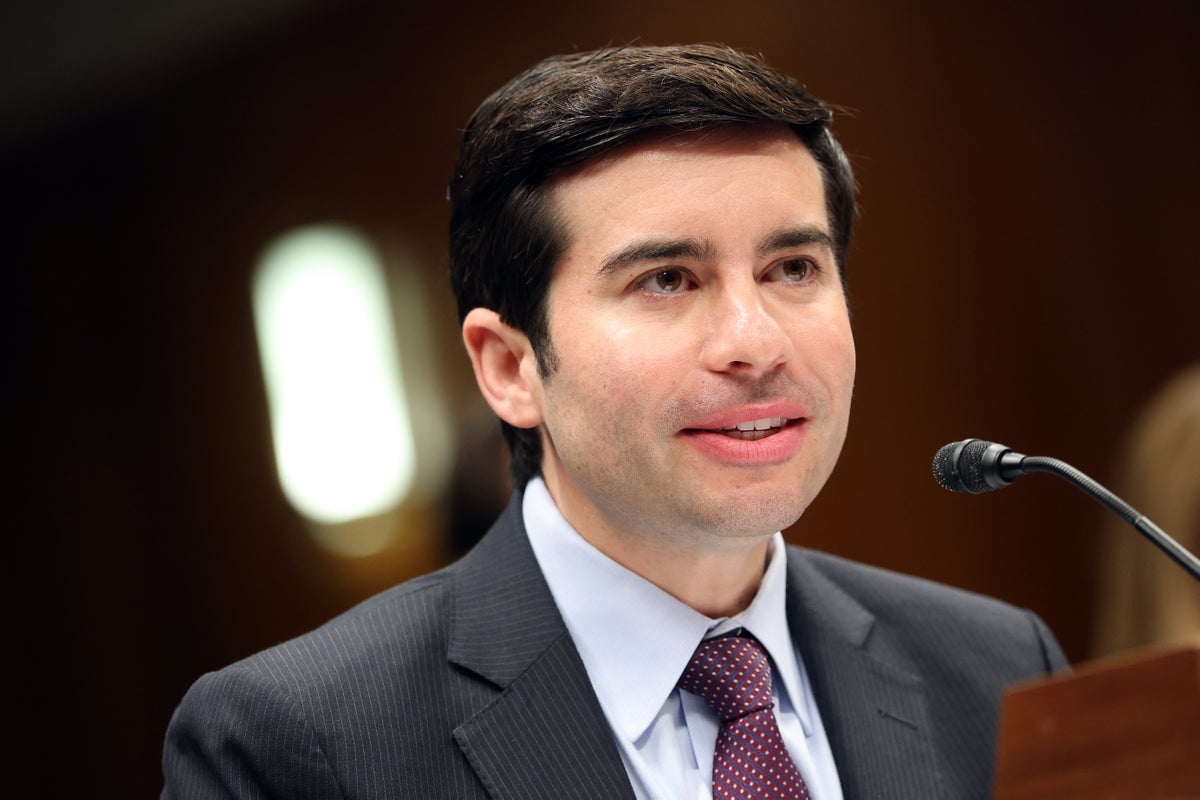
Donald Trump finally found his permanent replacement to clean up the messy fallout at the Department of Labor. He announced on Truth Social that he is nominating acting Labor Secretary Keith Sonderling to keep the job permanently. This move comes exactly two months after former Secretary Lori Chavez-DeRemer stepped down in absolute disgrace.
Most news outlets are focusing heavily on the salacious details of Chavez-DeRemer's quick exit. They are missing the bigger picture. Sonderling is not just a placeholder meant to calm a panicked bureaucracy. He is a blunt instrument. His recent actions prove he is ready to enforce the administration's policy goals with an aggressive style that makes previous leadership look downright timid.
The Chaos Left Behind by Lori Chavez-DeRemer
To understand why Sonderling is getting the nod, you have to look at the wreckage he had to sweep up. Lori Chavez-DeRemer's stint at the top of the department was short, chaotic, and heavily scrutinized. She stepped down in April 2026 as multiple internal investigations threatened to boil over.
An inspector general review revealed a bizarre culture inside the agency under her watch. Investigators looked at a mountain of personal messages and inappropriate requests sent from Chavez-DeRemer, her top aides, and even her family members to young staff employees. The accusations did not stop there. Reports swirled that she drank alcohol while on duty. She allegedly forced taxpayer-funded aides to organize complex official travel schedules that served mostly as cover for her personal vacations.
Worse details emerged regarding her husband, Shawn DeRemer. He faced separate, severe allegations of sexually assaulting two female staff members. Chavez-DeRemer denied doing anything wrong, but the political damage was done. Morale inside the building cratered. Staffers were miserable. The real work of the department ground to a complete halt while the front office scrambled to contain the daily PR disasters. Trump needed someone who could restore order instantly without needing an orientation period.
A Career Bureaucrat Who Knows the Levers of Power
Keith Sonderling fits that bill perfectly. He is a seasoned attorney who has bounced around various leadership seats across the government. He knows how Washington operates, and he specifically knows how Trump wants the federal workforce to behave.
During the first Trump administration, Sonderling served as the acting and deputy administrator of the Labor Department's Wage and Hour Division. Later, he served a term as a member of the Equal Employment Opportunity Commission. When Trump returned to the White House for a second term, Sonderling was brought back into the fold as the deputy labor secretary. When the Chavez-DeRemer bomb went off in April, he quietly stepped into the acting secretary role. White House sources say the mood inside the agency shifted almost immediately. The building became organized again. People actually showed up to work without fearing the next headline.
Sonderling also spent time in 2025 doing some of the administration's most controversial dirty work. He served as the acting director of the Institute of Museum and Library Services, an agency that Trump explicitly targeted for total elimination in an executive order. Sonderling did not hesitate. He placed scores of staff members on administrative leave, handed out termination notices, canceled active grants, and fired the entire National Museum and Library Services Board. A federal judge eventually blocked those moves on appeal, but the message was clear. Sonderling does not flinch when told to dismantle a system.
The Fight Over Unemployment Insurance Money
If you want to know how Sonderling plans to run the department permanently, look at his actions on June 17. He sent a wave of warning letters to 53 states and territories demanding immediate action to clean up waste and fraud inside their unemployment insurance programs.
Then he did something unprecedented. He threatened to completely cut off federal administrative funding for states that fail to comply. If a state cannot secure its system, Sonderling intends to starve it of the money required to distribute checks.
He took his case to cable news, specifically targeting big blue states. He blamed California, New York, and Illinois for harboring the worst instances of systemic fraud. He did not provide public evidence for those specific claims during his television appearance, but the political theater worked perfectly. He put governors on notice. He made it clear that the federal government is eager to squeeze local budgets to force compliance with national policy.
This aggressive use of funding cuts shows a massive shift in how the department operates. Chavez-DeRemer was largely seen as a traditional political pick who wanted to maintain a friendly face. Sonderling acts like a corporate liquidator. He views federal funds as leverage to force state compliance.
What This Appointment Means for American Workplaces
Sonderling's permanent appointment will change how federal employment laws are enforced over the next few years. Business groups are already breathing a sigh of relief. They expect a dramatic pullback on aggressive regulatory enforcement actions.
Under his leadership, the department will likely favor corporate compliance partnerships over heavy-handed corporate fines. Expect the Wage and Hour Division to issue clear, business-friendly opinion letters that give companies leeway on independent contractor classifications and overtime rules. This will make it much easier for gig economy platforms to operate without the constant threat of worker misclassification lawsuits.
Unions will face a much colder environment. Sonderling's rhetoric around unemployment fraud is just the tip of the iceberg. The department will increase financial reporting requirements for organized labor groups, forcing them to spend more time on paperwork and compliance audits than on active organizing drives.
The Approaching Confirmation Battle
Sonderling still has to get through a Senate confirmation vote. Republican lawmakers hold the majority, so his path looks relatively safe on paper. He has already been confirmed by the Senate for previous roles, which gives him a clear advantage.
Democrats will use the confirmation hearings to attack his record at the library and museum agency. They will frame him as a radical eager to fire civil servants and destroy federal programs without due process. They will demand proof for his claims about widespread unemployment fraud in Democratic states.
The hearings will be loud, contentious, and highly partisan. But Trump wants this fight. By picking a proven operator who is already running the building, the administration loses no momentum while the legislative battle plays out.
Your Next Strategic Steps
If you run a business or manage an HR department, you cannot afford to ignore this leadership transition. The rules of engagement are shifting fast. Take these concrete actions right now to prepare for the Sonderling era.
- Audit your independent contractor agreements. The federal government is about to give employers more flexibility, but states like California and New York still maintain incredibly strict local laws. Ensure your compliance strategy accounts for this growing gap between federal leniency and state enforcement.
- Review your wage and hour records immediately. Sonderling values strict administrative compliance. Clean up your internal payroll tracking before federal investigators look for easy targets to make an example of.
- Watch for new opinion letters from the Wage and Hour Division. These documents provide a legal shield for businesses that follow them. Use them to update your internal policies the moment they are published.