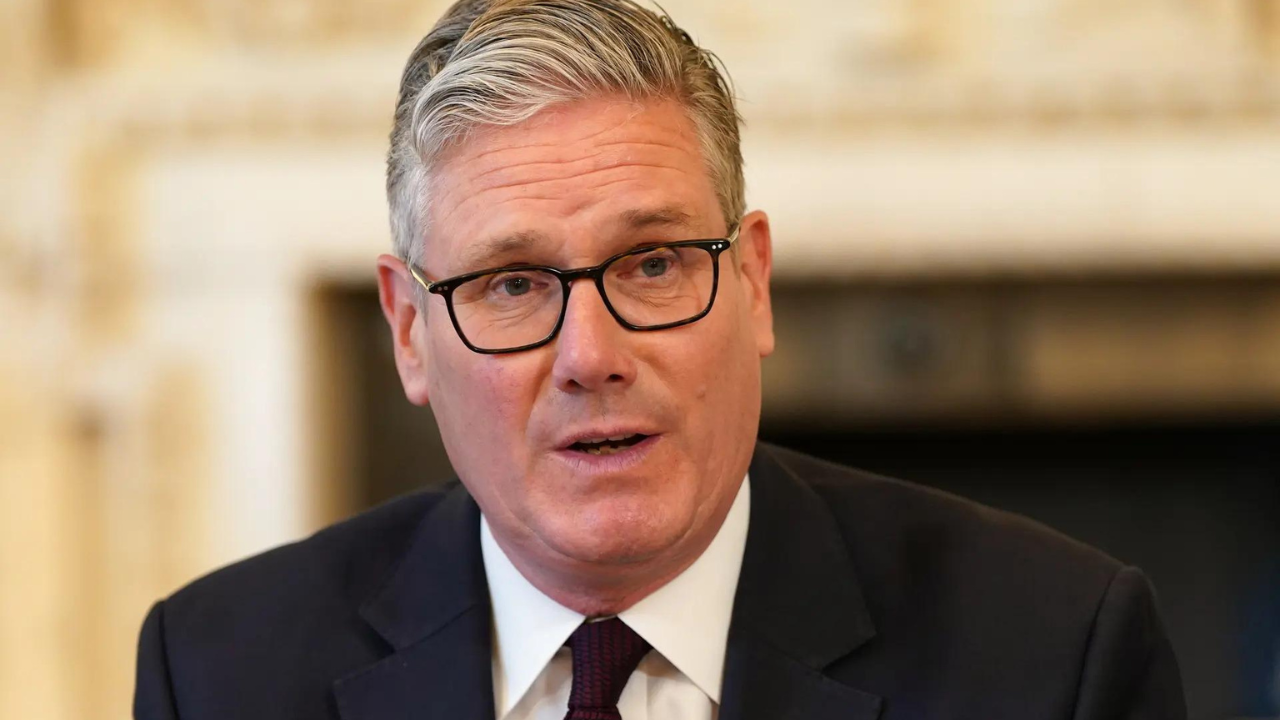
Two years ago, Keir Starmer stood outside the black door of 10 Downing Street, celebrating a historic landslide victory. Fast forward to today, and he's heading to the backbenches.
On June 22, 2026, Starmer shocked the British public by announcing his resignation as Prime Minister and leader of the Labour Party. In his first comprehensive sit-down interview with the BBC since that fateful morning, Starmer pulled back the curtain on his departure. He framed the exit as an "intensely personal decision" made during a quiet family retreat at Chequers with his wife, Victoria, and their children.
But let's be entirely honest here. While the final moment of clarity might have happened over a quiet weekend in Buckinghamshire, nobody walks away from the most powerful job in the country purely because they want a peaceful Sunday roast. Starmer didn't jump. He was pushed by an internal party rebellion after months of brutal policy shifts and a compounding cost-of-living crisis.
Here is what really happened behind closed doors and what it means for the future of British governance.
The Chequers Story vs Political Reality
During his interview, Starmer emphasized the human element of his exit. He explained how he wrestled with what was best for his family, the government, and the UK. He spent two days at Chequers, the official country house of the Prime Minister, before deciding his political career was officially over.
"Taking the decision that your political career is over, it is an intensely personal matter," Starmer told the BBC.
That is a poignant narrative. It is also an excellent piece of political communication. The real catalyst wasn't a sudden wave of personal reflection. It was an internal party coup. Labour Members of Parliament made it completely clear that they no longer believed Starmer could win the next general election.
When your own backbenchers and cabinet ministers start jumping ship, your timeline as Prime Minister shrinks to zero. Starmer acknowledged this reality in his official speech, noting that he heard the verdict of his parliamentary party and accepted it with good grace.
The Core Failures That Sparked the Rebellion
You can't understand why Starmer left without looking at the baggage his administration accumulated over twenty-four turbulent months. The initial wave of optimism after the 2024 election dried up quickly. The public grew restless as economic stagnation continued.
- Policy U-Turns: The administration repeatedly shifted positions on key economic pledges, alienating the progressive wing of the Labour party without fully satisfying centrist critics.
- The Cost-of-Living Crisis: Skyrocketing daily expenses remained unresolved. MPs faced immense heat from furious constituents who felt the government was completely out of touch.
- Foreign Affairs Overload: Critics frequently targeted Starmer for spending too much energy on global diplomacy while domestic infrastructure crumbled.
Starmer aggressively defended his international record during his recent interview. When asked if a future prime minister could simply spend less time on global affairs, his response was immediate. "No, I don't think it is possible," he insisted. He argued that international conflict and domestic stability are completely intertwined.
It is a fair defense. The world is objectively more volatile than it has been in decades. However, voters waiting months for an NHS appointment rarely care about G7 summit agendas. That structural disconnect ultimately cost him his job.
What Happens Next in Downing Street
With Starmer stepping back, the race to replace him is moving at breakneck speed. Former Greater Manchester Mayor Andy Burnham has emerged as the clear frontrunner. Burnham is currently running unopposed, and the leadership process formally closes on July 16, 2026.
Starmer has insisted there is no personal animosity between him and Burnham. He promised to do everything possible to ensure the next government succeeds. His strategy for doing that? "Keeping my mouth shut," Starmer joked, promising not to shout backseat commentary from the backbenches.
If you are tracking what this means for British policy moving forward, do not expect an overnight miracle. Starmer left his successor with a stark warning. The next leader will inherit the exact same global conflicts, economic traps, and domestic pressures. A change in leadership changes the face on the poster, but it doesn't change the underlying math of the UK economy.
If you want to see the exact moment the political pressure boiled over, you can watch Keir Starmer's resignation speech outside 10 Downing Street. This footage captures the formal end of his premiership and shows just how rapidly power shifts in modern British politics.