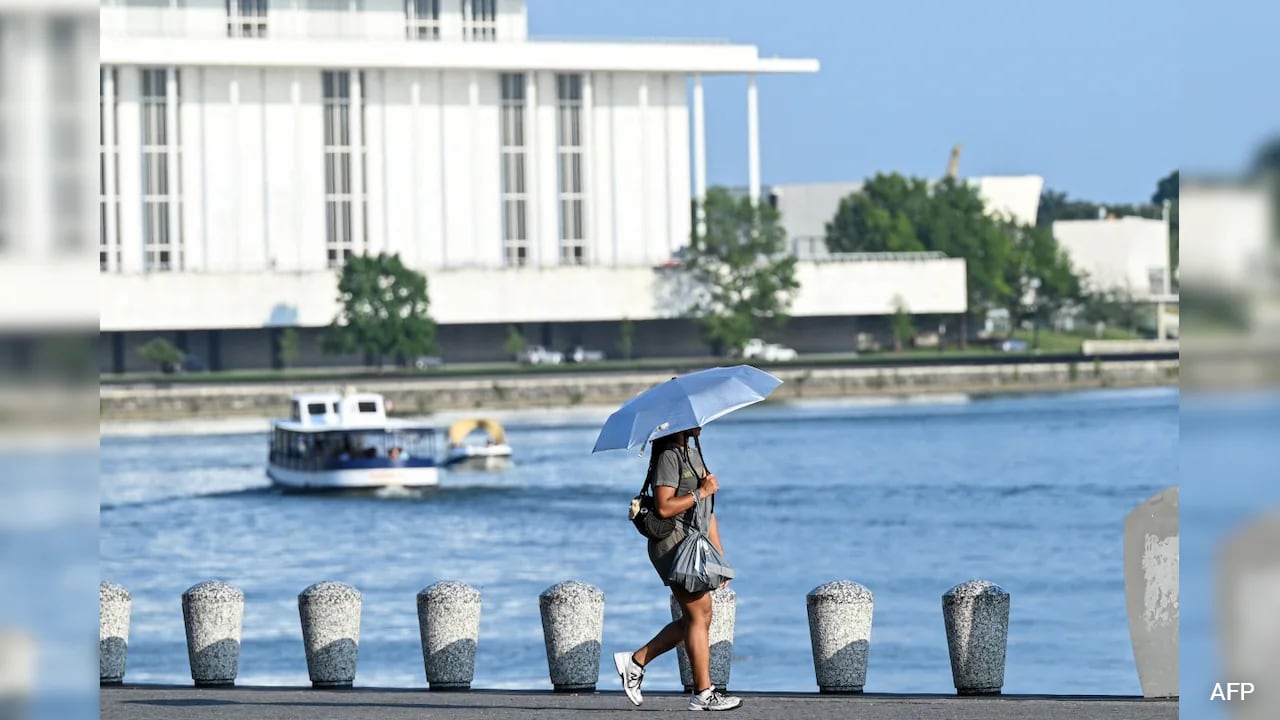
Millions of Americans planning to fire up the grill or wait outside for fireworks this weekend are facing a silent, invisible threat. It's not a sudden storm or a cancellation. It's a massive, stubborn ridge of high pressure baking the country. If you think a standard summer scorcher is all we're dealing with, you're missing the real story.
The National Weather Service has placed over 160 million people under major or extreme heat alerts. This isn't just about feeling sweaty. A historic heat dome is trapping stifling air across huge swaths of the United States right as the nation prepares for July 4 celebrations. Temperatures are soaring past 100°C in some areas, but the real hazard lies in what happens after the sun goes down.
When you look behind the headlines, the standard advice to "drink water" barely scratches the surface. This weather event is breaking centuries-old records and fundamentally shifting how cities handle extreme summer spikes.
The Anatomy of a Heat Dome
A heat dome happens when the atmosphere traps hot ocean air like a rigid lid on a boiling pot. High pressure pushes the warm air down, compressing it and making it even hotter. Because the pressure system is so heavy, it blocks cool air from moving in and pushes clouds away. You get pure, uninterrupted sunlight beating down on the concrete.
The immediate result? The Interstate 95 corridor from Washington, D.C., up to Boston is turning into a literal oven. Temperatures are hovering in the upper 90s and low 100s. Mix that with intense summer humidity, and the "feels like" heat index is blowing past 110°C in places like Nashville and Philadelphia.
[ High Pressure System / The "Lid" ]
               |
               v
      [ Trapped Hot Air ]  -->  Compresses and intensifies
               |
               v
  [ Baked Urban Centers ]  -->  Zero cloud cover, high humidity
What most people miss is the cumulative effect. Everyone talks about the daytime highs. Forecasters, however, are deeply worried about the nighttime lows. When a heat dome settles over a region, overnight temperatures fail to drop. Buildings, asphalt, and sidewalks hold onto the daytime energy, radiating heat right back into the environment around the clock.
Your body needs overnight cooling to recover from heat stress. Without that drop in temperature, the physical toll builds up fast. That's when heat exhaustion morphs into life-threatening heat stroke.
Cities Shifting into Survival Mode
Local governments aren't treating this as a typical July weekend. They can't afford to. In Philadelphia, officials declared a Heat Health Emergency through the weekend and instantly shortened the historic Salute to Independence parade to protect performers and spectators.
New York City is trying something completely new. Mayor Zohran Mamdani deployed specialized mobile vans staffed with nurses and paramedics. These teams are driving through the five boroughs to distribute water, electrolytes, and sunscreen while conducting on-the-spot wellness checks. It’s a proactive attempt to catch heat sickness before people end up overcrowding emergency rooms.
The grid is feeling the strain too. The Department of Energy stepped in with emergency orders for the PJM Interconnection grid, which powers the heavily populated Mid-Atlantic region. The goal is simple: boost electricity generation by any means necessary to prevent widespread blackouts as millions of air conditioners run at maximum capacity simultaneously.
Why Your Holiday Plans Need an Audit
If you’re hosting or attending an outdoor gathering this weekend, sticking to the old playbook is a recipe for disaster. The combination of direct sunlight, high alcohol consumption, and dehydration can catch anyone off guard.
- Ditch the midday parade: If a local event happens between 11:00 AM and 4:00 PM, skip it or find an indoor view.
- Re-engineer your hydration: Alcohol and caffeine speed up dehydration. For every beer or cocktail you drink in the sun, you need to match it with at least 8 ounces of water mixed with electrolyte powder. Plain water isn't enough when you're sweating continuously for hours.
- The pet rule: If the pavement is too hot for the back of your hand, it will blister your dog's paws in seconds. Keep animals indoors.
- Watch the vulnerable: The elderly, young children, and individuals with pre-existing cardiovascular conditions cannot regulate body temperature efficiently. Check on your neighbors.
Actionable Next Steps to Stay Safe
Don't wait for your AC to struggle or for someone in your group to start feeling dizzy before you react. Take these protective measures right now:
- Pre-cool your living space: Run your air conditioning lower than usual during the early morning hours before the sun hits its peak. This builds a baseline of cool air inside your home.
- Identify your local cooling centers: Know exactly where the closest air-conditioned public spaces are, such as libraries, community centers, or designated city cooling hubs.
- Download emergency alerts: Keep tabs on the National Weather Service mobile updates for real-time heat index shifts in your specific zip code.
- Shift your cooking indoors: Forgo the outdoor charcoal grill if it means standing in direct sunlight for an hour. Utilize slow cookers or indoor appliances to keep extra heat out of your kitchen.