Commercial aviation just had another close call, and honestly, it’s a miracle we aren't talking about something much worse.
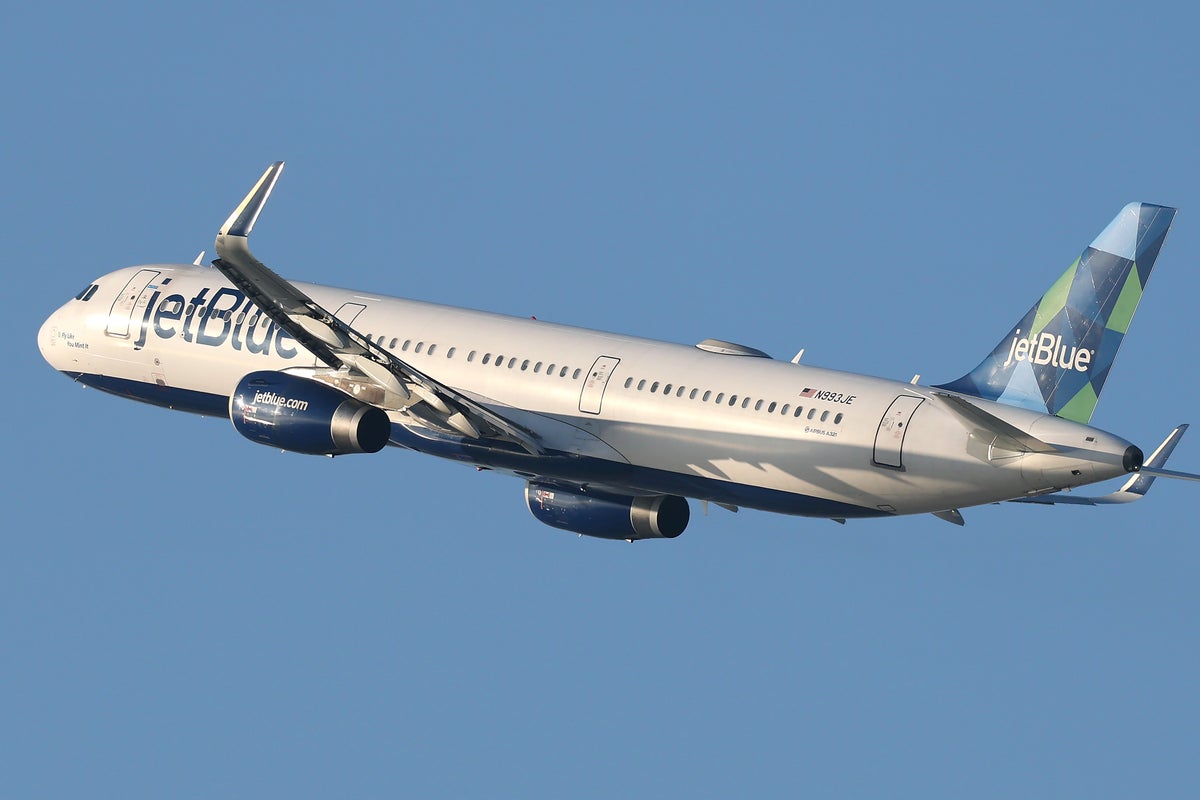
On Monday morning, JetBlue Flight 948 was cruising toward John F. Kennedy International Airport, finishing up a red-eye run from Las Vegas. The Airbus A321 was descending through 3,000 feet, roughly 10 to 12 miles out from the runway over the New York coastline, when the crew experienced every modern pilot's nightmare.
"We collided with a drone back there in the turn," the pilot told an air traffic controller in recorded audio. "It hit us right above the cockpit."
The plane landed safely at 7:21 a.m. Passengers stepped off normally. Maintenance crews immediately pulled the jet for inspection, and the Federal Aviation Administration launched an investigation. Surprisingly, neither JetBlue nor the FAA found visible structural damage or a single scratch on the nosecone.
But if you think no damage means no problem, you're missing the point. This incident exposes a massive gap in how we police the skies.
The 3000 Foot Blindspot
The FAA rules are simple. Recreational drones must stay below 400 feet. They can’t fly in controlled airspace near major airports without explicit authorization.
Yet, here we are. This drone was hovering at 3,000 feet right in the middle of a major arrival path for one of the busiest transport hubs on earth. It’s not an isolated issue. Just three days earlier, a United Airlines crew reported a near-miss with a three-foot-wide circular drone while descending into Newark Liberty International Airport.
How do consumer gadgets end up thousands of feet in the air? The technology allows it. Even a basic five-pound drone can easily climb to those altitudes if the operator overrides software geofencing or uses modified firmware.
The aviation industry designs commercial airliners to handle bird strikes. An Airbus or a Boeing jet can swallow a goose into an engine or take a hit to the fuselage and keep flying. But birds are soft tissue. Drones are packed with dense lithium-ion batteries, carbon fiber frames, and electric motors.
A collision with a solid, metallic object at 250 knots does catastrophic things. If a drone punches through a cockpit windshield, it can incapacitate the crew. If it gets sucked into a turbofan engine, the battery can trigger an uncontained engine fire. We've seen the damage before. In early 2025, an unauthorized drone hit a firefighting aircraft during the California wildfires, tearing a massive hole in the wing and grounding vital emergency gear for days.
Why Catching Illegal Operators is Nearly Impossible
Every month, the FAA tracks over 100 unauthorized drone sightings near major U.S. airports. Most of these investigations go nowhere.
When a pilot reports an object at 3,000 feet, the drone is usually long gone by the time law enforcement arrives on the ground. Unless the drone crashes on airport property or the operator is foolish enough to broadcast their exact location on social media, tracing the physical device back to a human being is a logistical nightmare.
FAA Airport Drone Rules vs. Reality
- Legal Altitude Limit: 400 feet
- Reported Incident Altitude: 3,000 feet
- Average Monthly Airport Sightings: 100+
- Main Risk Factor: Lithium-ion battery ingestion in engines
The timing of these recent New York area encounters isn't random either. Authorities have been on high alert, seizing hundreds of unauthorized drones near stadiums hosting major public events, including World Cup matches at MetLife Stadium in New Jersey. Whether these recent airport incidents involve clueless hobbyists trying to get aerial footage or something more reckless, the threat to hundreds of passengers is exactly the same.
What Needs to Change Right Now
We can't rely on luck forever. If you operate a drone, or if you're an anxious traveler wondering when the regulatory system will catch up, here are the immediate pressure points that need addressing.
- Enforce Remote ID Standards Globally: Manufacturers must lock down firmware so consumer drones physically cannot arm or launch within extended airport geofences without cryptographically signed FAA waivers.
- Deploy Active Mitigation Tech: Airports need to scale up radio-frequency jammers and acoustic tracking systems to detect, locate, and safely disable rogue drones before they enter the terminal radar approach area.
- Increase Criminal Penalties: Flying a drone into commercial approach paths shouldn't just result in a civil fine or a confiscated toy. It needs to be treated with the same severity as intentional interference with an flight crew.
If you are a drone hobbyist, download the FAA's B4UFLY app before every launch. Check local temporary flight restrictions. Keep your aircraft within your visual line of sight. The convenience of a cool video snippet isn't worth risking lives over.