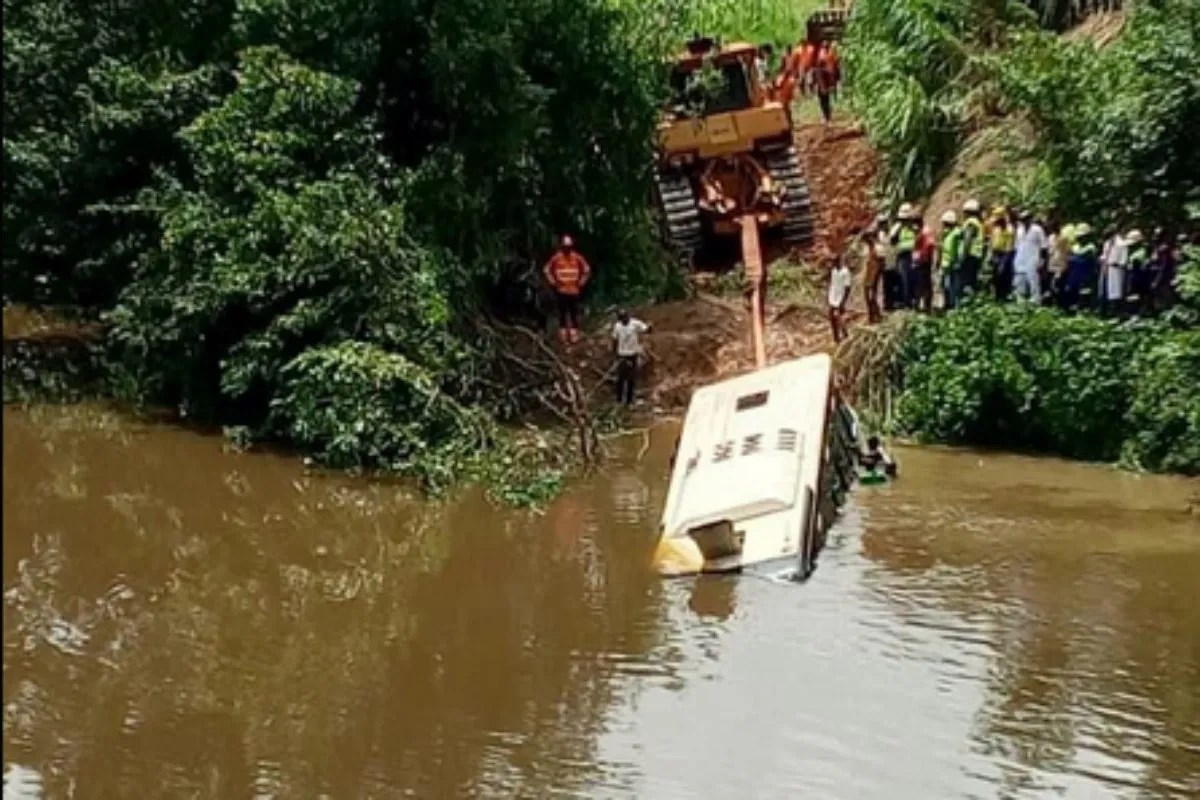
Yesterday morning, a routine journey across Côte d'Ivoire turned into a horrifying disaster. An intercity bus carrying dozens of passengers swerved off a bridge and plunged straight into the Bafing River. By the time emergency crews reached the remote site along the Touba-Biankouma road, 24 people were dead. Another 36 lay injured, many fighting for their lives in local clinics.
It is the kind of headline that makes you freeze. It is also a headline that, tragically, we see far too often.
This was not an isolated stroke of bad luck. It was the predictable result of a transport system stretched to its absolute breaking point. If we want to understand why these tragedies keep happening, we have to look past the immediate shock of the crash and examine the structural rot that makes West African roads some of the deadliest in the world.
Inside the Bafing River Disaster
The details of the crash are chilling. The bus, operated by a local carrier called Diarra Transport, was making a long-distance run from the northern hub of Odienne to Yamoussoukro, the country's political capital. It was carrying 69 passengers and crew.
Around 11:30 AM on Monday, July 13, 2026, the vehicle reached a bridge near the small village of Bafingdala. For reasons the Ministry of Transport is still investigating, the driver lost control. The heavy bus smashed through the barrier and plummeted into the swollen waters of the Bafing River.
Imagine the panic inside that cabin.
In seconds, a standard commute became a fight for survival in murky, fast-moving water. Local villagers were the first to arrive, desperately pulling survivors from the wreckage before formal rescue teams could navigate the difficult terrain. With the region currently experiencing its heavy rainy season, the river's high water levels made rescue operations incredibly dangerous and slow.
The Fatal Equation of the Rainy Season
Why did the bus slip? While the official investigation is ongoing, any experienced driver in the region will tell you that the rainy season changes everything.
Between May and November, torrential downpours transform Côte d'Ivoire's asphalt into slick, oil-slicked sheets. Potholes fill with water, masking their true depth. A dip that looks like a shallow puddle can easily rip the steering wheel right out of a driver's hands or snap an axle.
When you combine wet roads with worn-out tires, braking distances double. Heavy passenger buses, top-heavy with luggage strapped to their roofs, become rolling hazards. If a driver taps the brakes too hard on a slick bridge, the vehicle can easily jackknife.
The Broken System of Vehicle Maintenance and Driver Fatigue
Let's be brutally honest here. The state of many commercial vehicles in West Africa is terrifying.
Walk into any major transport hub in Abidjan or Yamoussoukro, and you will see buses that should have been retired decades ago. They run on bald tires. Their brake pads are worn down to the bare metal. Suspension systems are held together by makeshift welds and hope.
Compounding the vehicle issues is the intense pressure placed on the drivers.
Intercity drivers are often paid by the trip, not by the hour. This setup incentivizes speed and discourages rest. It is common for a single driver to pull 14-hour shifts on winding, unlit roads with zero highway lighting. When fatigue sets in, reaction times plummet. A split-second delay in spotting a hazard on a bridge is all it takes to cause a catastrophe like the one on the Bafing River.
A Failed Track Record of Safety Reforms
The Ivorian government is not blind to this crisis. In recent years, they have tried to clean up the country's roads. They introduced a point-based driving license system. They deployed speed cameras on major highways. They even increased roadside inspections.
But these measures only work if they are enforced consistently.
Too often, traffic stops turn into opportunities for petty bribery rather than genuine safety checks. A transport operator with a poorly maintained fleet can often pay a small fee to bypass inspections. Until the government tackles the corruption within the traffic enforcement system, new safety laws are just paper promises.
The statistics speak for themselves. The transport ministry admits that between 1,000 and 1,500 people die on Ivorian roads every single year. In a country of 29 million, those are catastrophic numbers.
Immediate Steps to Make West African Roads Safer
We cannot keep treating these crashes as unavoidable acts of God. They are systemic failures. To stop the carnage, transport authorities and private operators must take direct action.
- Mandatory Tachographs for Commercial Fleets: Governments must require all long-distance buses to install electronic logging devices to track speed and driver hours. If a driver exceeds their legal limit, the company must face massive fines.
- Bridge Barrier Upgrades: Most bridges on rural highways feature flimsy metal railings designed decades ago. They cannot stop a 15-ton bus. Upgrading these to reinforced concrete barriers would prevent vehicles from plunging into rivers.
- Independent Fleet Audits: We need to take vehicle inspection out of the hands of easily bribed local officials. Independent, third-party agencies should handle safety certifications for commercial transport companies.
- Severe Penalties for Transport Companies: When a disaster occurs due to poor maintenance or driver fatigue, the owners of the transport company must face criminal liability, not just the driver.
The tragedy at the Bafing River should be a final wake-up call. Every time a passenger boards an intercity bus, they are placing their life in the hands of the operator and the state's infrastructure. They deserve far better than a lottery ticket with their survival.