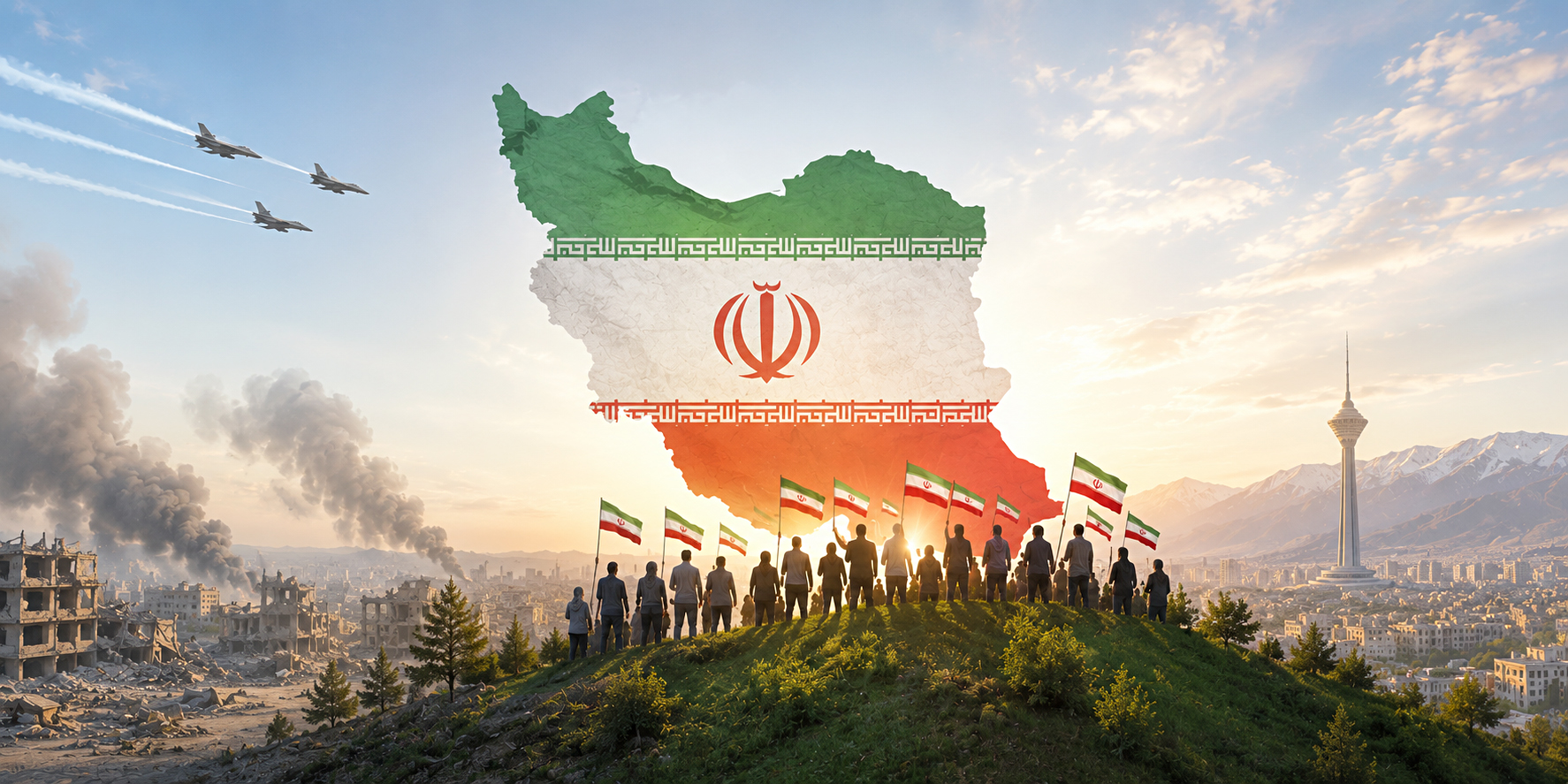
You can't buy absolute loyalty in geopolitics. If Israeli politicians didn't know that before, they're learning it the hard way right now. For years, mainstream Israeli leadership treated Donald Trump like an untouchable political deity. He moved the US Embassy to Jerusalem. He recognized Israeli sovereignty over the Golan Heights. He tore up the 2015 Iran nuclear deal to thunderous applause in Jerusalem. He was, as Benjamin Netanyahu frequently hinted, the greatest friend the Jewish state ever had in the White House.
Fast forward to mid-2026, and that golden reality has shattered.
The signing of the Islamabad Memorandum on June 17, 2026, followed by the high-profile Geneva signing ceremony involving Vice President JD Vance and Iranian negotiator Mohammad-Bagher Ghalibaf, has triggered a seismic wave of betrayal across the Israeli political spectrum. Washington and Tehran just cut a deal to end their recent three-month conflict and reopen the Strait of Hormuz. In doing so, Trump bypassed his historic ally completely.
The transaction shook the Middle East. It left Israelis wondering how their ultimate protector turned into the architect of what many in Jerusalem view as a catastrophic capitulation.
The Great American Pivot
The terms of the new US-Iran framework agreement read like a punch to the gut for Israeli defense planners. Trump proudly announced that Iran "agreed to never have a nuclear weapon," but the reality on the ground looks vastly different. The deal includes a fragile ceasefire in Lebanon, but it completely lacks any mechanism forcing the withdrawal of Israeli troops currently holding positions there.
Even worse, the deal allows Tehran to retain its core infrastructure while releasing billions in frozen funds from restricted accounts in Qatar. The technical follow-up talks in Doha, overseen by Iranian Deputy Foreign Minister Kazem Gharibabadi, have already established direct communication channels to manage truce violations.
For the average Israeli, this isn't diplomacy. It's a sellout.
Traditional Israeli Expectations vs. 2026 Reality
---------------------------------------------------------
Expectation: Maximum pressure until the Iranian regime collapses.
2026 Reality: US signs Islamabad Memorandum, relaxing blockades.

Expectation: Total dismantling of Tehran's nuclear framework.
2026 Reality: Technical talks in Qatar focus on containment, not destruction.

Expectation: Full coordination between Washington and Jerusalem.
2026 Reality: Jared Kushner and Steve Witkoff negotiate via Gulf intermediaries.
The political blowback in Israel has been fierce and immediate. Public opinion has turned radically. Commentators who once praised Trump’s "America First" doctrine as a shield for Israel now openly describe him as unreliable.
The sentiment on the streets of Tel Aviv and Jerusalem is a mix of anger and deep anxiety. They feel the US administration traded long-term Israeli security for a quick diplomatic victory to cool off global oil prices and open shipping lanes.
Why the Art of the Deal Failed Jerusalem
Israel's national security establishment always harbored quiet doubts about Trump's transactional approach to foreign policy, but the political echelon ignored them. Netanyahu bet the house on a single American leader, transforming Israel into a partisan issue in Washington. That gamble just went bust.
Trump's core doctrine has never been about ideological loyalty; it's about winning a visible transaction. When the recent naval escalation in the Strait of Hormuz threatened the global economy, driving Brent crude to historic highs, the math changed for the White House. Trump wanted a deal to reopen the shipping channels. He wanted to claim he stopped a war. Israel’s insistence on the total military defeat of Iran’s proxy network became an obstacle to that goal.
"Trump doesn't want endless wars," notes a senior Israeli defense official speaking off the record. "We believed his hostility toward Tehran was absolute. We forgot that to a businessman, everything is negotiable if the price or the pressure is high enough."
This realization explains Netanyahu's defiant public address immediately after the US-Iran MoU became public. He didn't thank Washington. Instead, he stubbornly announced that Israeli forces would remain deployed in Gaza, Lebanon, and Syria "for as long as necessary" to protect the nation's borders.
He then announced he would run for re-election, a clear sign that he needs to project strength at home as his foreign policy strategy implodes.
The New Strategic Isolation
Look at the regional board right now. Hezbollah welcomed the memorandum, viewing the comprehensive ceasefire across fronts as proof of Iran's diplomatic leverage. Meanwhile, Iran is already testing the limits of the agreement, insisting that its 60-day window of free shipping passage through Hormuz still leaves Tehran in absolute control over routing and maritime fees.
Israel finds itself structurally isolated. The unilateral security umbrella it relied on for a generation is fraying.
This panic explains why top Israeli defense figures, including Deputy Chief of Staff Eyal Baram, are suddenly floating radical new ideas. Baram publicly stated that Israel must urgently construct a completely new regional security architecture. He called for a broader alliance stretching all the way from India, through the UAE, and across to Greece and Cyprus.
Israel's Emergency Diplomatic Strategy
1. Build a non-US reliant security coalition from India to Europe.
2. Formulate an independent, tailored military force build-up.
3. Secure a new, legally binding security MoU with the US to replace personal promises.
4. Maintain tactical footprints in Lebanon and Syria regardless of Western pressure.
The shift toward India and regional European partners like Greece isn't just a backup plan. It's an admission that relying solely on the whims of the White House is a luxury Israel can no longer afford.
Next Steps for Israeli Security Policy
Jerusalem can't undo the Islamabad Memorandum, but it can change how it reacts to the new geopolitical landscape. To survive this diplomatic realignment, Israel must immediately pivot on three fronts:
- Diversify Strategic Partnerships: Accelerate the intelligence and defense supply chain agreements with India and Eastern Mediterranean nations to reduce total reliance on American diplomatic cover.
- Enforce Independent Red Lines: Explicitly define and communicate military triggers regarding Iran’s nuclear enrichment that Israel will act on alone, regardless of whether Washington approves or has technical talks active in Doha.
- De-escalate Partisan US Politics: Work aggressively to rebuild bipartisan ties in Washington, moving away from the dangerous strategy of tethering Israel’s national security to the political fortunes of a single populist leader or party.
The old playbook is dead. The illusion that a populist American president would fight Israel's battles forever has vanished under the ink of a US-Iran treaty. If Israel wants to secure its future in this fractured environment, it must start acting like an independent regional power, not a dependent client state.