Iran is entering a week of intense, state-orchestrated mourning that feels less like a simple goodbye and more like an aggressive geopolitical flex. Over four months after a joint US-Israeli air strike killed Supreme Leader Ayatollah Ali Khamenei on February 28, 2026, his coffin has finally been readied for a massive, multi-city procession.
If you're wondering why a country waits four months to bury its leader, it's because the Islamic Republic was fighting a war. The burial was iced while the conflict raged. Now, with a fragile ceasefire holding, Tehran is rolling out a seven-day marathon across Iran and Iraq.
This isn't just about grief. It's about regime survival, regional power projection, and an desperate attempt to show the world that the leadership transition is solid.
The Real Reason Behind the Seven Day Liftoff
The funeral committee didn't pick a seven-day itinerary out of thin air. It's a calculated route designed to hit every emotional and religious nerve in the Shiite world.
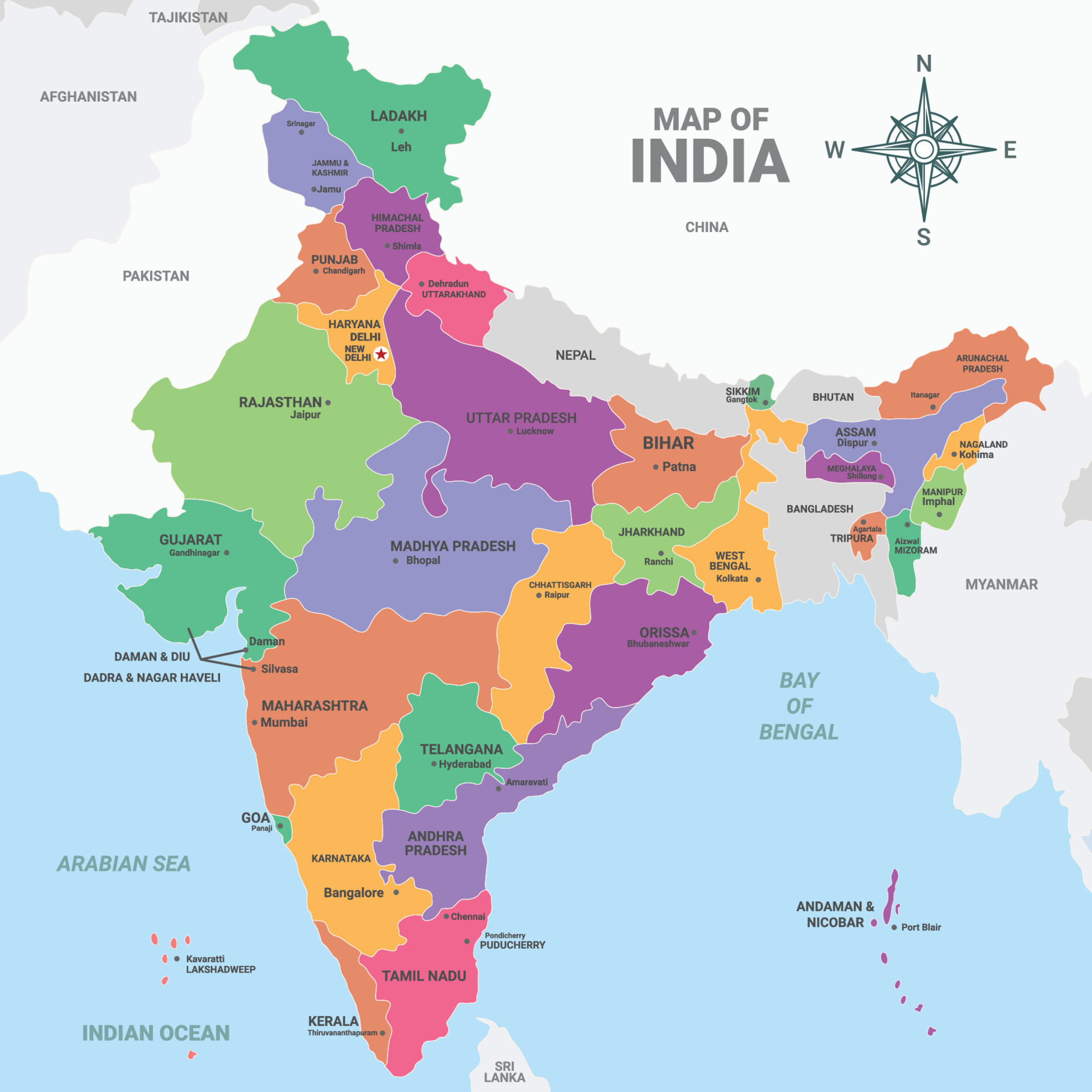
Starting July 3 in Tehran, the event moves across borders and provinces before ending with a final burial on July 9 in Mashhad.
Look at the schedule and you see a political map, not just a funeral route:
- Tehran (July 3–4): The political core. Global leaders, foreign dignitaries, and regional proxies gather at the Grand Mosalla to pay respects.
- Najaf and Karbala, Iraq: The spiritual heavy hitters. Taking the coffin across the border to Iraq's holiest Shiite shrines cements Iran's claims to regional religious hegemony.
- Qom: The ideological factory. This is where the regime's theological elite reside.
- Mashhad (July 9): The final stop. Khamenei will be buried at the Imam Reza shrine, his birthplace, anchoring his legacy to one of the most sacred spots in Shiite Islam.
Tehran's governorate is treating this like a military logistics operation. They bought 50 million loaves of bread. They ordered local supermarkets to stay open 24/7. They even laid down free fiber-optic internet hubs across ten major points in the capital to keep the massive crowds connected. The official motto plastered on every banner? "Must rise."
The Shadow of Past Funeral Disasters
Iranian authorities are utterly terrified of crowd chaos, and honestly, they should be. They're haunted by two historic nightmares.
When the Islamic Republic's founder, Ayatollah Ruhollah Khomeini, died in 1989, his funeral turned into an anarchic stampede. Millions surged the coffin. They tore the burial shroud to pieces. The military had to literally deploy a helicopter to steal the body back from the crowd, re-shroud it, and try again the next day.
Then came 2020. The funeral for Qasem Soleimani in Kerman saw a massive crowd crush that killed at least 56 people and injured hundreds more.
To avoid another logistical humiliation, officials are pulling out every stop. The governor of Razavi Khorasan Province hinted that helicopters will keep watch over the coffin from above to manage the human waves. Security teams are checking cars, closing roads, and setting up intense barriers. They need this to look disciplined, not desperate.
The Invisible Man: Will Mojtaba Show Up?
The massive elephant in the room isn't the logistics—it's the new boss. The Assembly of Experts quietly elected Khamenei’s son, Mojtaba Khamenei, as the new Supreme Leader back on March 8, 2026.
But here is the catch: Mojtaba has been a total ghost. He hasn't made a single major public appearance since the war started four months ago.
This seven-day spectacle is his ultimate trial by fire. If he steps out onto the balcony at the Grand Mosalla, he signals absolute control. It tells hardliners he's healthy, capable, and ready to lead. If he stays hidden behind bulletproof glass or remains in an underground bunker, the rumors of regime instability will explode.
The Geopolitical Fallout
Don't buy into the idea that this is purely an internal Iranian affair. Parliament Speaker Mohammad Bagher Ghalibaf explicitly called for a massive turnout as a form of "vengeance" against the West. Pakistan’s Prime Minister Shehbaz Sharif is showing up. China, Afghanistan, and neighbors from the Caucasus are sending high-level delegations.
The regime is using the funeral to count its friends in real-time while using the crowd sizes to threaten its enemies.
If you are tracking Middle Eastern stability, ignore the state media tears. Keep your eyes on three things over the next week: the size and control of the crowds, the presence of foreign dignitaries from Beijing and Moscow, and whether Mojtaba Khamenei finally steps into the light to claim his father's mantle. The future of the Iranian regime depends entirely on what happens between Tehran and Mashhad by July 9.
To watch how the physical site preparations and security cordons are altering the streets of Tehran in real-time, you can view this report detailing the immediate steps taken by the Iranian Revolutionary Guard at the Grand Mosalla complex:
Funeral Preparations Underway in Tehran for Iran's Late Supreme Leader Ayatollah Khamenei | APT
This video offers a ground-level view of the intense security protocols and physical transformations inside Tehran's primary religious complex just hours before the global delegations arrive.