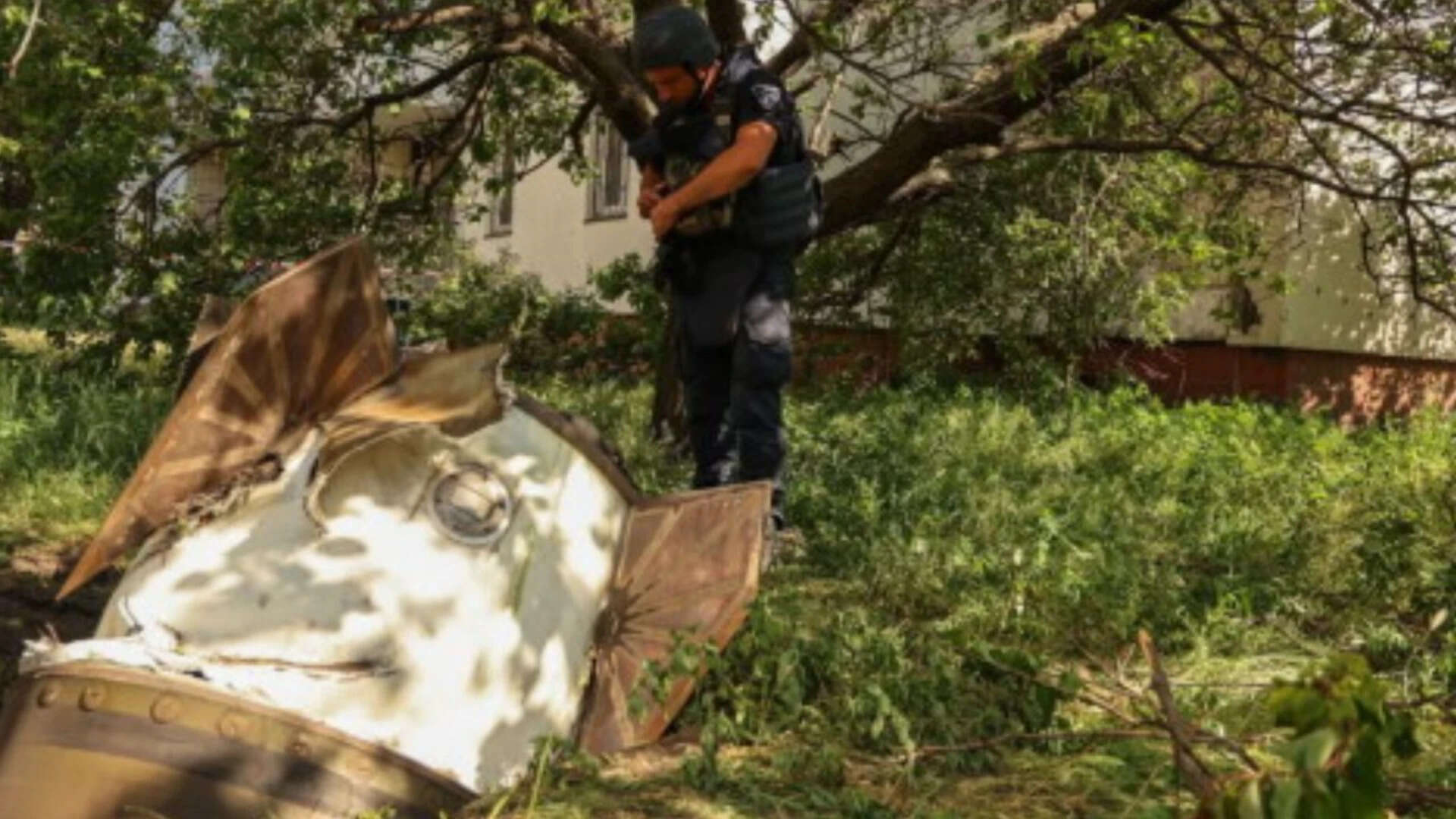
The fragile calm in the Gulf just evaporated. When Iran launched a barrage of ballistic missiles and drones at Bahrain and Kuwait on Sunday, it wasn't just another localized flare-up. It was a direct, calculated assault on the regional security equilibrium that dragged neighboring states right into the crossfire.
The United Arab Emirates didn't waste any time making its position clear. In a blunt statement issued by the Ministry of Foreign Affairs, the UAE slammed the attacks as a flagrant violation of sovereignty and a direct threat to regional stability. Abu Dhabi explicitly backed its neighbors, pledging absolute solidarity and endorsing whatever security measures Bahrain and Kuwait need to take to protect their people.
But behind the formal diplomatic denouncements lies a much uglier reality. This escalation threatens to completely wreck the fragile interim peace talks between Washington and Tehran, putting every single state along the Persian Gulf in a highly dangerous position.
The Triangulated Crossfire Hitting America's Allies
You have to look at the geography to understand why this specific round of violence is so alarming. Iran didn't random-search its targets. Both Bahrain and Kuwait are crucial strategic nodes that host massive American military assets. Kuwait houses major US bases, including Al Asad Air Base, which Iran's Revolutionary Guard explicitly claimed it targeted during the dawn raids. Bahrain, meanwhile, hosts the headquarters of the US Navy's Fifth Fleet.
Kuwaiti air defenses managed to intercept two incoming ballistic missiles and several drones at dawn, avoiding casualties. Bahrain wasn't quite as lucky. While no one died, an Iranian drone tore through the top floor of an eight-story residential building near Manama's international airport.
Bahrain's Foreign Ministry didn't mince words, stating the strikes expose a deliberate approach and a systematic pattern of repeated aggression rather than some isolated, reactionary incident.
The Chokepoint War Over the Strait of Hormuz
The real root of this sudden blowup goes back to who controls the global energy tap. The Strait of Hormuz used to carry a fifth of the world's oil and gas supply. Right now, it's a militarized parking lot.
The current cycle of violence kicked off because a multinational maritime body overseen by the US Navy tried to expand a shipping corridor on the Omani side of the strait to let commercial vessels bypass Iranian harassment. Tehran flipped. Iran insists it has exclusive authority over the entire waterway, despite international laws treating it as an open global passageway.
When an Iranian drone hit a merchant vessel carrying Qatari crude oil, US President Donald Trump ordered heavy retaliatory strikes. US Central Command hammered Iranian air defense sites, communication networks, drone warehouses, and minelaying assets.
Tehran's response was to bypass the US military directly and rain missiles down on America's smaller Gulf neighbors. Iranian Foreign Minister Abbas Araghchi, speaking from Baghdad, effectively gave the world an ultimatum. He warned that any Western attempt to set up separate shipping frameworks in the strait will only delay its reopening and guarantee more military confrontation.
Why Abu Dhabi Refuses to Play Nice With Tehran Anymore
For the past couple of years, Gulf states like the UAE have tried a delicate balancing act. They tried to repair diplomatic ties with Iran, open up trade channels, and de-escalate tensions to protect their own multi-billion-dollar tourism and economic hubs. Anwar Gargash, a senior diplomatic adviser to the UAE leadership, put an abrupt end to that narrative following the strikes, stating that new geopolitical realities cannot be imposed on Gulf countries through treacherous aggression.
The UAE realizes that a hot war in the Gulf ruins everything. If commercial tankers can't get insurance to sail through the region, and if civilian areas in Manama or Kuwait City are getting hit by drone debris, the entire economic model of the modern GCC fractures. By projecting total solidarity with Bahrain and Kuwait, the UAE is signaling to Tehran that an attack on one small oil state is an attack on the entire bloc.
The Total Collapse of the 60-Day Peace Window
What makes this timing so tragic is that Washington and Tehran were actually talking. Earlier this month, both sides signed a memorandum of understanding, giving negotiators a tight 60-day window to hash out a permanent ceasefire. The deal was supposed to lift the US economic blockade on Iranian ports, ease sanctions, and address Iran's growing stockpile of highly enriched uranium.
That deal is now on life support, if not entirely dead. The Revolutionary Guard has already threatened a complete halt to all ongoing diplomatic negotiations if US military actions continue. Simultaneously, President Trump took to social media to blast Iran for violating the truce, warning that continued escalation would mean the Islamic Republic will no longer exist.
This leaves Gulf nations stuck in a horrific position: trapped between an unpredictable, cornered regime in Tehran and an uncompromising administration in Washington.
What Happens Next
The immediate priority for the region is defensive hardening. You can expect to see an immediate, quiet ramp-up of joint air defense integration among GCC members, heavily supported by Western tech.
If you are tracking regional risk or supply chains, watch these specific indicators over the next 72 hours:
- Commercial Insurance Premiums: Watch for a sudden spike in war-risk insurance rates for vessels entering the Gulf. If they skyrocket, shipping traffic will dry up, forcing a global energy crunch.
- The Omani Transit Route: Keep tabs on whether the US Navy continues to enforce the newly expanded shipping corridor near Oman. If the US backs down, Iran wins control of the strait. If the US pushes forward, expect more missile alerts in Kuwait and Bahrain.
- The Diplomatic Channels: Watch if Swiss or Omani intermediaries manage to keep US and Iranian negotiators at the table. If talks officially collapse, the region shifts from a shadow war straight into a conventional conflict footprint.