A week-old truce is falling apart in real-time. If you thought the recent diplomatic breakthrough between Washington and Tehran would bring instant peace to the Persian Gulf, the events of the last forty-eight hours offer a brutal reality check.
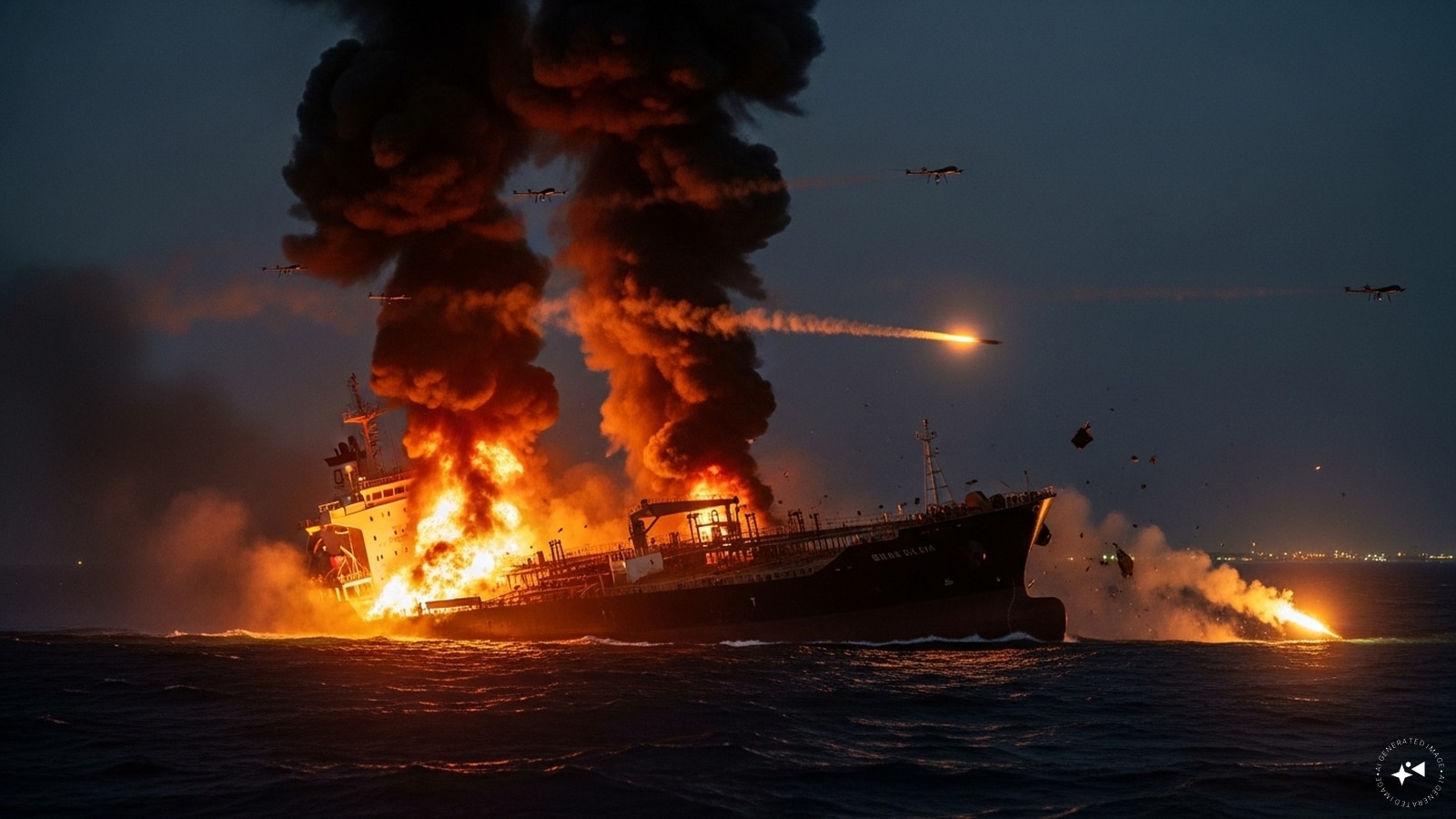
Iran just launched a targeted drone assault against Bahrain and struck another commercial oil tanker right in the middle of the Strait of Hormuz. This wasn't a random, rogue operation. It was a direct, calculated response to heavy American overnight airstrikes. The regional conflict, which originally exploded back in late February 2026, is threatening to spiral back into total chaos.
The math here is simple but terrifying. A massive chunk of the global energy supply runs through this exact bottleneck. When tankers start burning and drones fly across international borders, global energy stability takes a hit. Let's break down exactly what happened, why the truce is breaking, and what this means for global shipping.
The Anatomy of a Violent Weekend
The latest spiral started on Thursday when an Iranian drone hit a Singapore-flagged container ship attempting to leave the Gulf. Washington viewed this as an unforgivable breach of the peace framework signed just days earlier.
On Friday night, US President Donald Trump authorized immediate retaliation. Under instructions from the White House, US Central Command executed a swift, one-hour bombing campaign along Iran's southern coast. The strikes targeted Iranian missile storage sites, drone launch installations, and coastal radar stations used to track commercial shipping.
Tehran didn't wait long to punch back. By Saturday morning, the Islamic Revolutionary Guard Corps launched its counter-attack.
- The Strike on Bahrain: A swarm of Iranian drones crossed the Gulf and hit targets in Bahrain. While the island nation's state media reported only minor structural damage and zero casualties, the political messaging was incredibly loud.
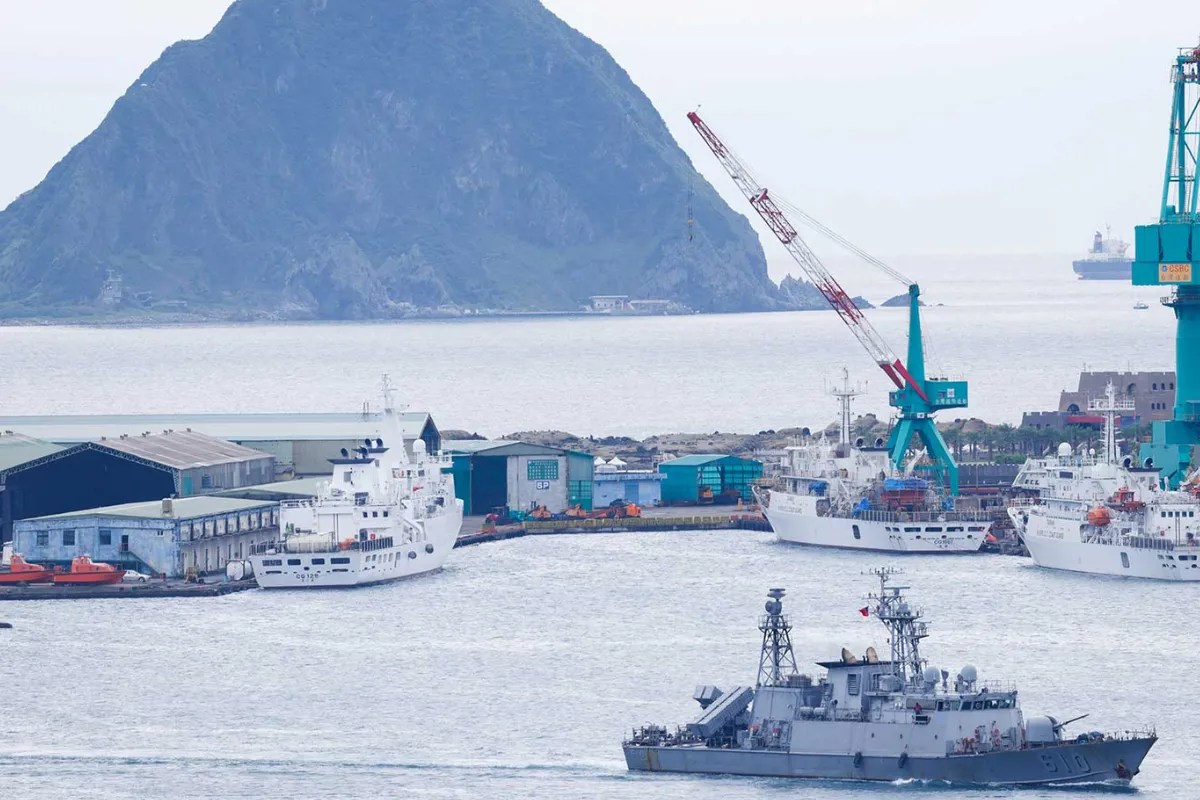
- The Tanker Ambush: Almost simultaneously, the British military's United Kingdom Maritime Trade Operations center confirmed a commercial oil tanker was struck inside the Strait of Hormuz. The crew survived without injuries, and no oil spilled into the water, but the point was made.
Why Iran Picked Bahrain as a Target
Tehran’s choice to hit Bahrain was deliberate. Look at a map and the politics become clear. Bahrain is the home base for the US Navy’s Fifth Fleet, making it the most visible symbol of American military power in the Gulf.
The island kingdom has also positioned itself as one of Iran's fiercest critics among the Gulf states. Just hours before the drones appeared, Bahrain hosted US Secretary of State Marco Rubio and foreign ministers from the Gulf Cooperation Council. That meeting ended with a sharp joint statement demanding Iran stop its maritime piracy and leave international shipping lanes alone.
By striking Bahrain, Iran didn't just target an American ally; it sent a warning to every other neighbor hosting US military personnel, including Kuwait, Qatar, and the United Arab Emirates.
The Secret Clauses Tearing the Deal Apart
The underlying problem is that the 14-point memorandum of understanding signed last week was built on shaky assumptions. The deal gave both nations a 60-day window to negotiate a permanent end to the war. Instead, they are arguing over basic definitions.
Iran claims the US broke the deal first. According to statements out of Tehran, the interim agreement required a full pause on regional hostilities, which Iran interprets as a mandate for Israel to stop its ongoing military campaigns in southern Lebanon. The US completely rejects this logic, stating the ceasefire applies strictly to direct US-Iran engagements and maritime safety.
Meanwhile, US Vice President JD Vance took to social media with a blunt message, telling Tehran to "pick up the phone" to iron out diplomatic disputes rather than launching explosives. He followed it with a stark warning that violence will be met with violence.
The New Shipping Flashpoint
Right after the tanker was hit on Saturday, the Joint Maritime Information Center dropped a massive announcement. They are officially expanding the designated shipping route near Oman's coastline to handle two-way traffic.
This is a direct challenge to Iranian sovereignty. The Strait of Hormuz is technically split between the territorial waters of Iran and Oman, though maritime law treats it as an international transit highway. Iran claims total administrative control over the passage and recently threatened to levy heavy transit fees on all commercial vessels.
The US military is essentially building a bypass to keep traffic moving outside of Iran’s direct grasp. But it comes with immense danger. The maritime center issued a severe warning to all captains, stating the threat of naval mines remains substantial and that active mine-clearance operations are underway.
The International Maritime Organization actually suspended its efforts to evacuate remaining stranded vessels due to the lack of safety guarantees. Over 115 ships managed to escape the strait during the initial days of the truce, but dozens more are stuck, facing an unpredictable naval theater.
What Happens From Here
Don't expect an immediate return to full-scale diplomacy. The next 48 hours are critical for global supply chains and energy markets. If you are tracking this conflict, keep your eyes on three specific operational realities.
First, check bunker fuel rates and marine insurance premiums. Insurance syndicates in London are already recalculating risk premiums for the Persian Gulf. If these rates double again, shipping companies will bypass the region entirely, adding weeks to transit times and driving up consumer prices.
Second, watch the deployment of Western naval assets. The expansion of the Omani shipping lane means the US Navy and its coalition partners will have to physically guard that corridor against Iranian coastal fast-boats and loitering munitions. This sets up a scenario for an accidental firefight.
Finally, monitor the internal political pressure in Washington. With Trump demanding strict adherence to maritime freedom and Vance drawing hard lines on social media, the White House has left little room for diplomatic face-saving. If another ship burns, the US response will likely target inland Iranian infrastructure, rendering the Swiss-led peace talks completely irrelevant.
For a deeper look at the immediate regional reactions and video footage of the naval movements following these strikes, you can review the initial reporting from international broadcasters.

:max_bytes(150000):strip_icc()/TAL-nassau-bahamas-BEAUTCARIB0323-4fbfce903e5a4418b895e03717e3de0d.jpg)