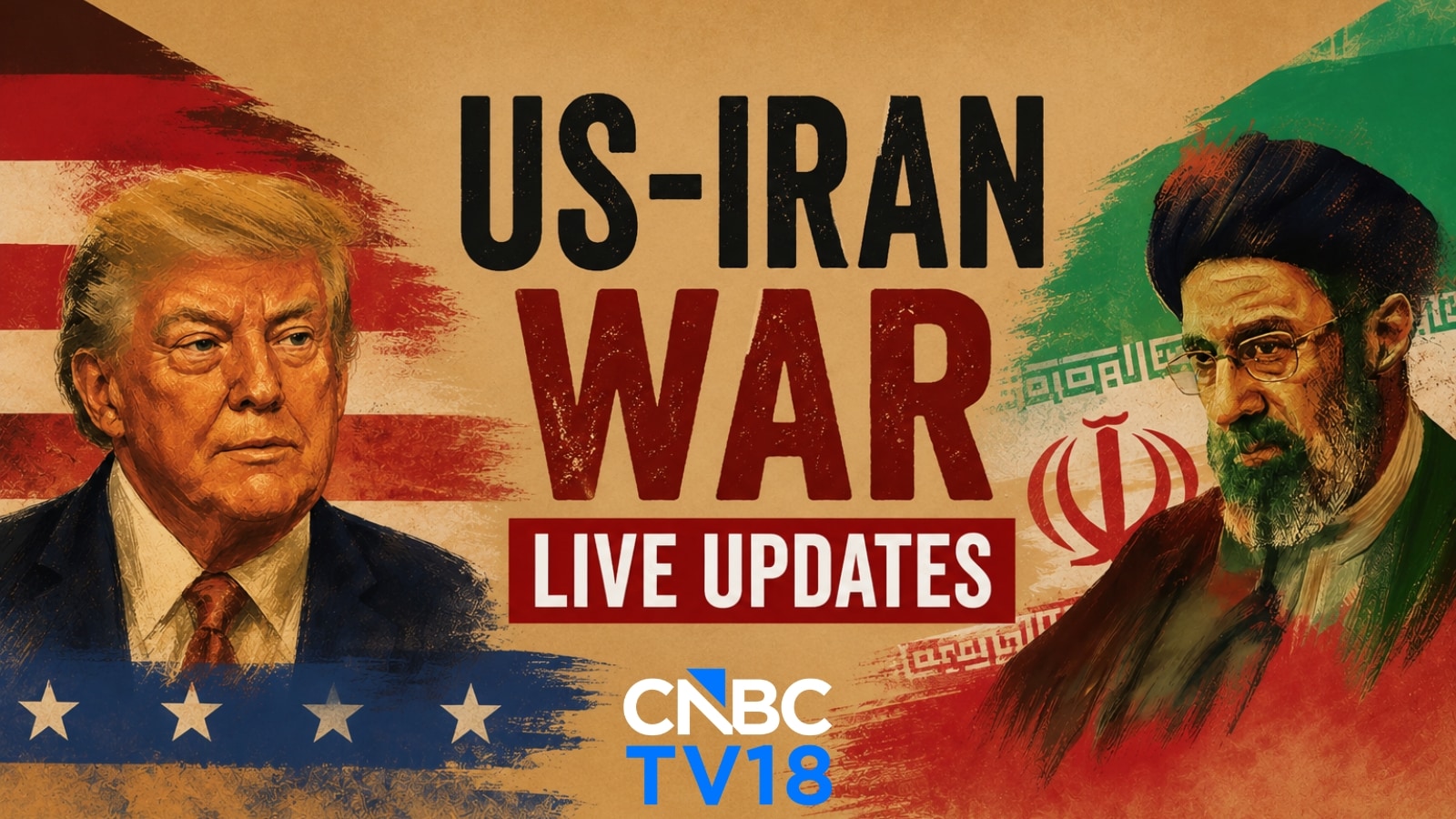
The Grand Spectacle in Tehran
Tehran is currently witnessing the largest traffic operation in its history. Millions of people are converging on the Grand Mosalla to witness the week-long funeral procession of Ayatollah Ali Khamenei. It's an elaborate, multi-city event extending across Iran and Iraq. Yet, this isn't just a simple moment of national mourning. It's a calculated geopolitical display.
The regime delayed this funeral for more than four months following Khamenei's death in February 2026 during the opening salvoes of the conflict with the US and Israel. Now, as the casket lies draped in green cloth, the leadership is using the occasion to broadcast absolute stability to the world.
Don't buy into the simple narrative that this is purely about grief. The timing, the scale, and the sheer logistical defiance tell a completely different story.
What Donald Trump Gets Wrong About the Current Situation
While the streets of Tehran fill with state-mobilized mourners, Donald Trump is telling a very different story from Washington. He recently claimed that Tehran has agreed to just about everything needed for a final diplomatic breakthrough. He even hinted that the US and Iran are suddenly getting along well.
That's a massive oversimplification of a highly volatile reality.
Talks in Doha might be progressing, but the underlying tensions haven't vanished. Trump keeps asserting that Iran won't receive any sanctions relief if they retain highly enriched uranium. Meanwhile, Iranian officials are using the massive crowds at the funeral to project an image of unyielding strength. The message from the Islamic Revolutionary Guard Corps (IRGC) is loud and clear. They aren't backing down, and they want everyone to know it.
The regime needs this massive display to counter the narrative of defeat. They lost their supreme leader, his wife, and several family members in the initial airstrikes. By orchestrating a six-day, cross-border victory parade, they're attempting to convince their own base—and their enemies—that the political structure survived an existential threat.
The Eye-Watering Logistics of a State-Enforced Farewell
The sheer scale of the event is staggering, but it reveals a deep sense of desperation. The capital’s domestic and international airports have been completely shut down. Private vehicles are banned near the procession routes.
To manage the massive crowds, the government deployed an astonishing amount of infrastructure:
- Over 2,500 ambulances and 21 helicopters on standby.
- 100 surveillance drones monitoring the crowds from above.
- More than 700 designated parking areas opened overnight.
- 500,000 liters of IV fluids distributed to medical tents.
Moving the body through Qom, Najaf, and Karbala before its final burial in Mashhad highlights the borderless revolutionary identity the regime still claims to possess. They want the world to see a united Shiite front spanning multiple nations.
The Growing Internal Backlash
Look beneath the official state media broadcasts, and you'll find deep domestic resentment. The regime is spending an absolute fortune on this event while ordinary citizens are being crushed by hyperinflation and failing public infrastructure.
Reports indicate that the government forced industrial zone businesses to fund refreshment booths out of their own pockets. Auto manufacturers had to contribute massive amounts of money while their own factory workers struggled to buy basic groceries. The government even distributed free bread and offered state employees incentives, like 20 kilograms of rice, just to show up and inflate the crowd sizes.
Many citizens aren't buying the propaganda. A noticeable chunk of the population is actively refusing to participate. Some are fleeing the capital for vacations in northern Iran, while others are quietly sharing messages urging people to wear bright colors instead of traditional black mourning attire. For a vast number of Iranians, the burial represents the beginning of the end for the current political framework rather than a renewal of loyalty.
The Succession Crisis and the Hidden Threat
The elephant in the room is Mojtaba Khamenei, the late leader's son who was quickly named his successor. He was wounded in the very same strikes that killed his father and hasn't made a public appearance since the conflict began.
State officials confirmed that Mojtaba won't attend his father's funeral due to major security concerns. This absence speaks volumes. If the new leader cannot even show his face at the definitive state event of the decade, the regime's claims of total control begin to crumble.
Israeli Defense Minister Israel Katz and other foreign officials have placed intense focus on Mojtaba. In response, Iranian Foreign Minister Abbas Araghchi warned of an immediate military retaliation against any threat directed at the new leadership. The military is on high alert, explicitly warning foreign powers against making any miscalculations during the week-long processions.
Redefining the Strait of Hormuz Conflict
This entire funeral spectacle is unfolding right beside a fragile naval standoff. While a temporary one-week de-escalation agreement was struck to keep global oil exports moving, the region remains a powder keg.
Iran recently issued a stern warning telling international vessels to stick strictly to designated shipping lanes through the Strait of Hormuz. Any deviation will face an immediate, aggressive response. The Gulf Cooperation Council is pushing back against what they call unacceptable toll and transit demands, while countries like France are stepping up demining efforts to ensure shipping lanes stay open.
The primary takeaway here is simple. Do not look at the events in Tehran as just a ceremony. It's a high-stakes geopolitical leverage play. The regime is using millions of citizens as a human shield and a propaganda backdrop to force a better deal from the Trump administration. They want to show that they can close global energy choke points and command the streets at a moment's notice.
Where We Go From Here
The coming days will test the absolute limits of Iran's internal security structure. Watch these specific markers to understand what happens next:
- Monitor the Doha negotiations closely. Look past Trump's optimistic rhetoric and see if the US actually concedes on any core economic sanctions.
- Watch the transition of power. If Mojtaba Khamenei remains entirely hidden from public view after July 9, expect internal fractures within the IRGC to become more pronounced.
- Track the oil transit data. The temporary de-escalation agreement expires right as the funeral ends. Any sudden shift in naval deployments near the Strait of Hormuz will trigger immediate fluctuations in global energy markets.
The regime wants you to see a nation united in grief. The reality is a government projecting desperate strength abroad while sitting on a powder keg of domestic fury at home.


.jpg)