Europe is literally cooking. In France, the mercury recently spiked to a staggering 44°C (111.2°F). In Germany, Poland, and the Czech Republic, transport systems are buckling under 40°C heat. It is not just uncomfortable. It is deadly. Preliminary data shows that a single week-long heat dome in June caused over 3,700 excess deaths across France, the Netherlands, and Belgium alone.
Then came the message from Tehran.
Through its embassy in Turkey, Iran decided this tragedy was the perfect time for a bit of cheeky geopolitical trolling. They offered Europe a deal. If European nations lift their crippling economic sanctions, Iran will gladly ship over its domestically produced air conditioning units to save dying Europeans.
It sounds like a joke. It reads like a tweet from a satirical account. But it is entirely real, and it highlights a massive, uncomfortable shift in global energy politics.
The friendly suggestion from Tehran
The Iranian Embassy in Turkey dropped this bomb on X, framing it as a humanitarian favor. The message was simple. They pointed out that Europe is suffering from unprecedented heatwaves and a tragic loss of life due to a lack of adequate cooling systems. Then they gave their proposal. For the sake of your own citizens, lift the sanctions, and we will export a wide range of cooling equipment.
The embassy even bragged about its manufacturing power. They claimed that despite decades of Western isolation, Iran built a self-sufficient air conditioning sector using indigenous technology. They have the expertise. They have the factory capacity. They just need Europe to stop choking their economy.
It is a masterful piece of diplomatic theater. It turns the traditional narrative completely on its head. For years, the West viewed sanctions as a tool to starve Iran into submission. Now, Iran is acting like the benevolent superpower offering to rescue a freezing, or in this case, melting Europe.
Europe's self-inflicted cooling crisis
To understand why this offer stung so badly, you have to look at how unprepared Europe is for extreme heat.
Historically, most of Europe did not need air conditioning. Summers were mild. Buildings were built to trap heat, not release it. But climate patterns changed fast. A study by World Weather Attribution found that heatwaves of this intensity are now hundreds of times more likely than they were just a few decades ago.
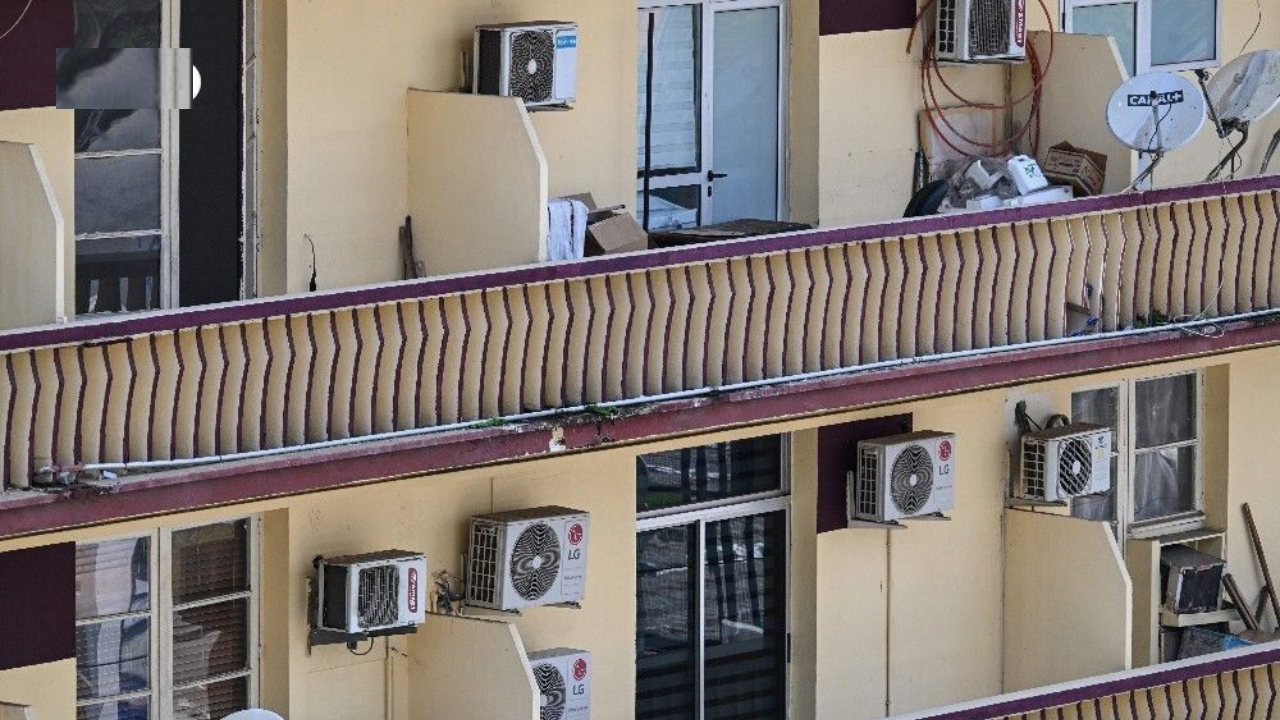
Despite this, Europe still resists air conditioning. In countries like France and Germany, residential AC ownership remains incredibly low compared to the US or East Asia. There is a deep-seated cultural and political resistance to it. Green politicians argue that scaling up AC will just accelerate energy consumption and climate change. Meanwhile, ordinary citizens are left to suffer in apartments that act like brick ovens.
This has opened a massive political rift inside European borders. Right-wing populist parties are capitalizing on the misery, turning cooling access into a major culture war topic. They blame current governments for mismanaging the infrastructure and letting people die over environmental ideology. When Iran points out that European citizens are dying from a lack of basic cooling, they are poking a very raw, very real nerve.
The secret backdrop of the US Iran negotiations
This AC offer did not happen in a vacuum. It comes right on the heels of major diplomatic movements.
Just weeks ago, in mid-June 2026, a major breakthrough occurred. The United States and Iran hammered out a 14-point draft memorandum of understanding to end their recent military standoff. As part of that deal, the E4 nations—the United Kingdom, France, Germany, and Italy—publicly signaled their readiness to lift a vast array of sanctions on Tehran.
The Western powers made their conditions clear. Iran must never acquire a nuclear weapon and must cooperate fully with the International Atomic Energy Agency. If those verifiable steps happen, Europe is ready to unfreeze Iranian assets, welcome back Iranian crude oil, and reopen the critical Strait of Hormuz to unrestricted shipping.
So when Iran makes a public display of offering to sell air conditioners in exchange for sanctions relief, they are not just trying to sell appliances. They are attempting to shift the public perception of the ongoing negotiations. They want to show their own domestic audience, and the broader global south, that Europe needs Iran just as much as Iran needs Europe.
Can Iran actually deliver on its promise
Let's look at the actual manufacturing reality. Can Iran really supply Europe with millions of cooling units?
Iran actually has a surprisingly large domestic appliance sector. Decades of sanctions forced the country to localize production for basic goods. Brands like Emersun and Pakshoma dominate the domestic market. They produce refrigerators, washing machines, and split-system air conditioners.
But there is a catch. While Iran builds these units locally, many of the high-end components, like advanced compressors and specialized microchips, are still imported through gray market networks, often from China. If Iran were to scale up exports to meet strict European Union safety and environmental standards, they would face massive regulatory hurdles. European grid compliance, energy efficiency metrics, and refrigerant regulations are notoriously strict.
Iran's offer is less about logistical reality and more about psychological warfare. It highlights the vulnerability of a continent that has spent the last few years dealing with energy shortages, soaring electricity prices, and shifting weather patterns.
Shifting roles in global diplomacy
This situation shows how much the global order has fractured. Iran knows Europe is vulnerable. The continent cut itself off from cheap Russian gas, struggled through inflation, and is now dealing with infrastructure that cannot handle the new climate reality.
By offering a solution—even a highly improbable one—Tehran is mocking the West's economic leverage. They are showing that isolation goes both ways. If Europe wants access to cheaper manufacturing, stable energy trade, and a peaceful Middle East, it has to negotiate as a peer, not a judge.
The June framework agreement shows that Europe is already desperate to stabilize the global economy and get oil moving freely through the Strait of Hormuz again. Iran is simply using the summer heat to accelerate that process and gain the upper hand in public relations.
What happens next
Do not expect French or German hardware stores to stock Iranian-made cooling units next week. The European Union will not drop long-standing sanctions over a sassy social media post from an embassy.
But watch the actual diplomatic meetings closely over the next 60 days. The US-Iran framework deal involves releasing $24 billion in frozen Iranian assets and waiving major oil sanctions. That is where the real action is happening.
If you are tracking this situation, keep your eyes on these specific developments:
- Watch for the formal implementation of the US-Iran memorandum of understanding.
- Monitor whether the E4 nations begin lifting secondary sanctions on Iranian banking and shipping.
- Look at how European domestic politics handles the building code crisis as heatwaves become a permanent summer fixture.
The era of Western nations using economic sanctions without facing counter-pressure is over. When a sanctioned nation can use your own weather crisis as a diplomatic weapon, the rules of engagement have permanently changed.