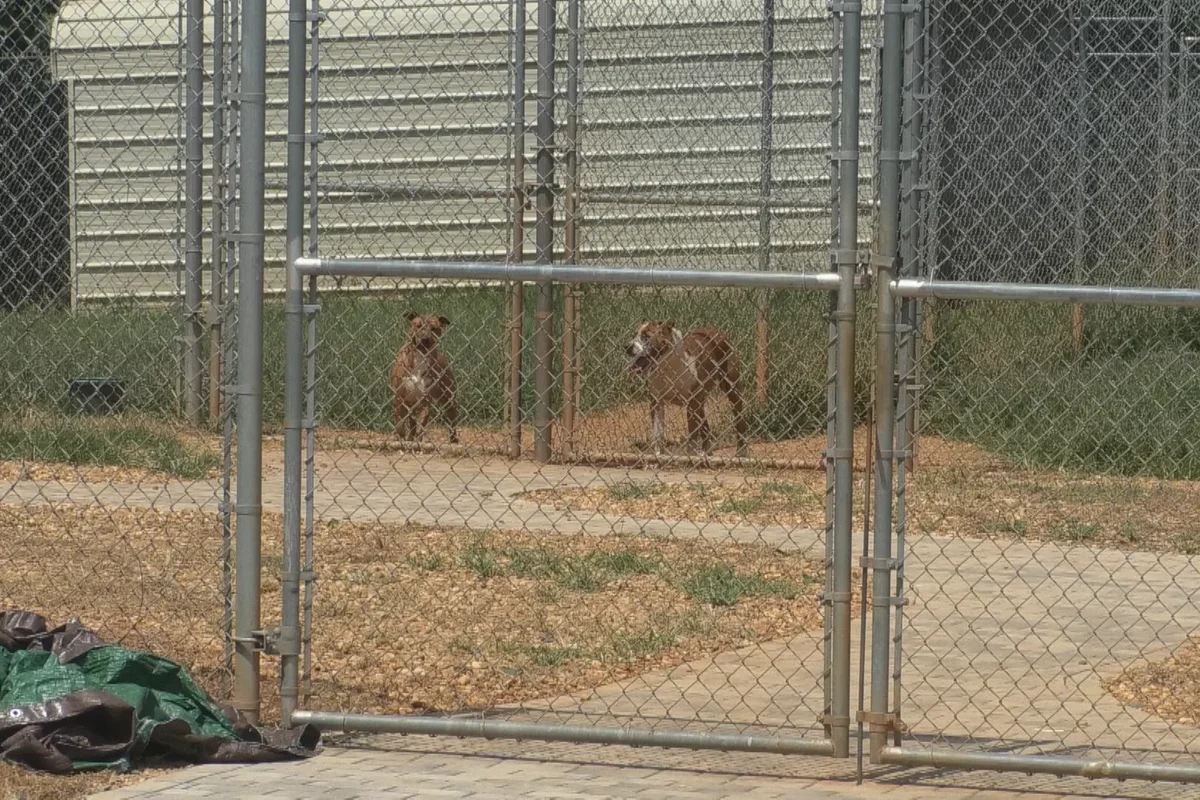
You trust animal shelter workers to protect the vulnerable. But a horrific case out of Georgia has completely shattered that trust, exposing a nightmare scenario inside a local government facility.
Law enforcement officials in Monroe County, Georgia, arrested a local animal control officer after a chilling tip revealed a stomach-turning act. Investigators say Carlos Santillan, a county-employed animal control worker, took four live puppies and placed them directly into a facility incinerator.
The incident allegedly occurred back on June 18. However, the Monroe County Sheriff's Office didn't receive a formal complaint about the act until July 6. Once the tip hit their desks, investigators moved fast. Within six hours of opening the file, deputies arrested Santillan, charging him with four felony counts of aggravated animal cruelty.
What Happened Inside the Monroe County Shelter
Monroe County Sheriff Brad Freeman didn't hold back when describing the case. He noted that the suspect acted with zero hesitation, showing a level of comfort that strongly suggests a deep, systemic failure in oversight.
"Obviously, people can get away with a lot of things, up until they don't, and this was a case where he felt comfortable doing it. It looked to me like there was no second thought—he just walked back there and did what he did, which was bad," Sheriff Freeman stated.
The details are grim. The sheriff’s office stated that Santillan placed the four dogs into the incinerator while they were "presumably alive." Incinerators are standard equipment in many rural animal control facilities across the country, typically used to dispose of the remains of humanely euthanized animals. Using them as a execution chamber for live animals is a severe violation of both state law and humane standards.
The response from local government was immediate. The Monroe County Board of Commissioners terminated Santillan's employment contract the moment the allegations came to light.
The Legal Aftermath and Community Outrage
Despite the severity of the four felony charges, the legal system's initial processing left many local residents furious.
Santillan was booked into the Monroe County Jail on July 6. His bond was set at $5,000. He managed to post that bond and walked out of jail the exact same day he was arrested.
The investigation remains open as detectives gather more evidence. Sheriff Freeman confirmed that the case is moving straight to the Monroe County District Attorney’s office. From there, a grand jury will review the evidence to hand down a formal indictment.
If indicted, Santillan will face a trial where a conviction on felony animal cruelty charges carries significant prison time under Georgia law. Georgia’s aggravated animal cruelty statutes treat the intentional torture or malicious killing of a dog as a high-level felony, carrying a penalty of one to five years in prison per count, along with heavy fines.
The Problem with Animal Shelter Oversight
This tragedy highlights a glaring issue that animal welfare advocates have warned about for decades. Rural and underfunded municipal shelters frequently operate with minimal oversight.
Most animal control departments are managed by county commissions that view the facilities as a line-item expense rather than a public service requiring strict compliance checks. When a single worker has unchecked access to lethal equipment like an incinerator, the potential for horrific abuse increases exponentially.
Sheriff Freeman tried to calm public anxiety, urging citizens not to judge the entire profession by the actions of one individual. He used the classic "bad apple" defense, stating he hopes the incident doesn't ruin the reputation of all animal control officers.
But advocates argue that a system allowing a worker to burn four live puppies without anyone noticing for nearly three weeks is fundamentally broken. It points to a total lack of internal logbooks, security camera monitoring, and basic accountability protocols.
What Happens Next to Prevent Future Abuses
Fixing a broken system requires aggressive, immediate reforms at the county level. Municipalities cannot simply fire the offender and pretend the problem is solved.
If you want to ensure your local shelter never faces a tragedy like this, there are concrete steps you can take to force accountability from your local elected officials.
- Demand Mandated Two-Person Euthanasia Protocols: No shelter employee should ever operate lethal equipment or administer euthanasia drugs alone. Requiring two staff members to sign off on and witness every single animal disposition creates an immediate check against rogue behavior.
- Push for Independent Audits: Write to your county commissioners and demand that an independent animal welfare organization, like the Humane Society or a regional shelter coalition, perform unannounced audits of the facility.
- Advocate for Mandatory Camera Surveillance: Every area of a public shelter—especially holding pens, medical rooms, and incineration areas—must be monitored by 24/7 security cameras with footage archived off-site to prevent tampering.
- Support Local Non-Profit Rescues: Municipal shelters are often overwhelmed. Supporting local foster networks and private no-kill rescues pulls adoptable animals out of the government system entirely, reducing the strain and the body count at county facilities.
The Monroe County community is left reeling, waiting to see if the grand jury delivers the indictments required to bring this case to a full trial.